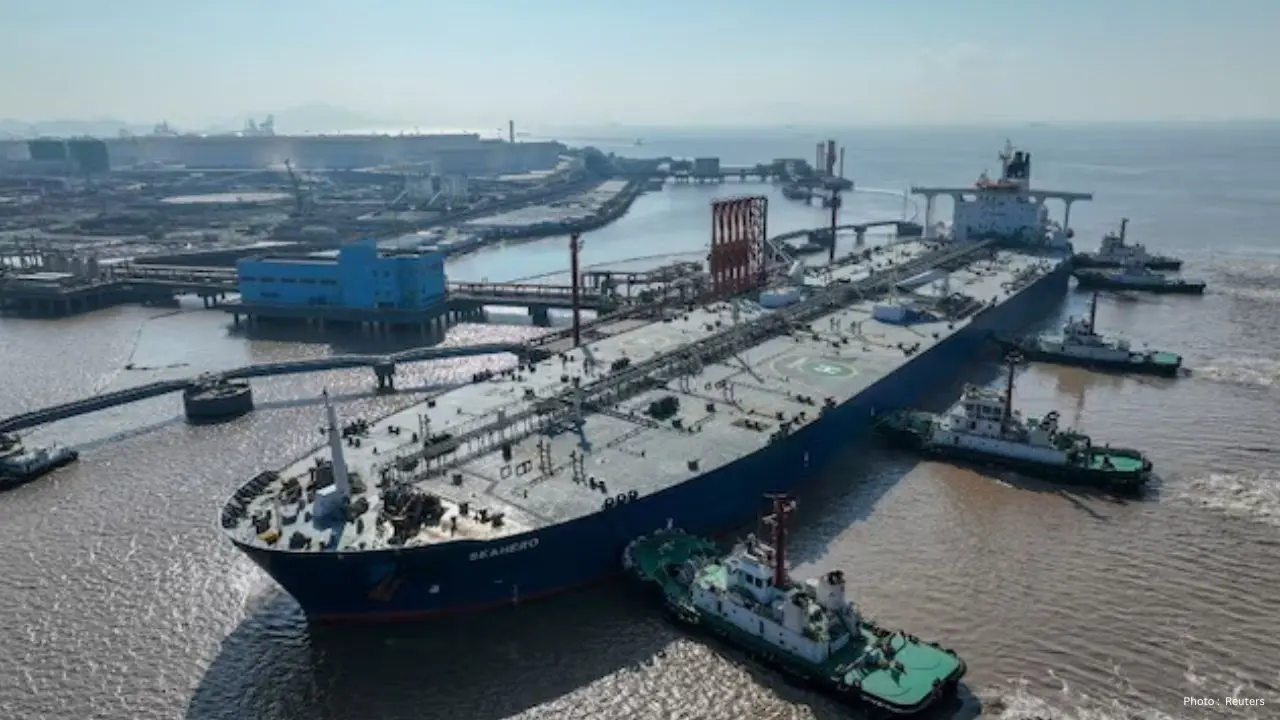
China's oil refinery production has plummeted to its lowest point since 2022, raising alarms regarding the country's economic performance and declining industrial demand. Recent statistics reveal a considerable drop in refinery operations in April as fuel consumption waned and inventories of oil surged nationwide.
Being the largest crude oil importer globally, shifts in China’s energy consumption significantly influence worldwide oil markets and fuel pricing. The recent downturn has garnered attention from investors and economic analysts who scrutinize China's economic landscape.
Data indicates that refinery operations in April were markedly lower than in preceding months, marking the steepest decline since August 2022. Analysts attribute this slowdown primarily to diminished fuel needs from sectors such as manufacturing, transport, and construction.
Meanwhile, oil inventories in China are on the rise, indicating an oversupply as demand fails to increase as forecasted. Increased stockpiles typically suggest reduced fuel usage by consumers and industries.
Several elements contribute to this decrease in demand. The property sector in China is grappling with ongoing financial strains, there has been sluggish growth in manufacturing, and consumer spending remains inconsistent in various regions. These economic obstacles have curtailed energy consumption in crucial sectors.
The slowdown also mirrors broader global economic concerns. Many nations are experiencing inflation, elevated borrowing costs, and trade uncertainties that can dampen industrial output and transportation activities. Given China’s pivotal role in global manufacturing, a slowdown there has repercussions for international markets.
Oil prices are particularly vulnerable to changes in Chinese demand. A decrease in China's crude imports could place downward pressure on global energy prices. Yet, ongoing tensions in the Middle East and anxieties about potential supply disruptions contribute to market instability.
Energy analysts suggest that reduced profit margins may be prompting Chinese refineries to limit production. When fuel demand declines, refiners often scale down operations to prevent oversupply and financial setbacks.
This context underscores the intricate link between energy markets and economic growth; robust industrial activity typically elevates fuel demand, whereas economic downturns taper consumption.
Shifts in oil markets can significantly impact fuel pricing, transport costs, and inflation for everyday consumers. Nations that heavily depend on oil imports closely monitor global supply and demand trends emanating from China.
The reduction in refinery output could also alter global logistics and trade dynamics. As a primary hub for manufacturing and exports, a decline in industrial activity in China can disrupt supply chains across various nations.
Chinese authorities are anticipated to persist in rolling out economic support initiatives to spur growth and bolster market confidence. Recent months have seen the government implement a series of measures designed to assist businesses and promote consumer spending.
Despite the present hurdles, China's economy remains one of the largest and most influential globally. Any significant alteration in industrial activity can rapidly reverberate through international markets, investors, and global energy demand.
The latest refinery statistics serve as a critical reminder of the interconnectedness of the world economy. Economic frailties in a significant country can impact oil valuations, trade flows, and financial sectors beyond its own borders.