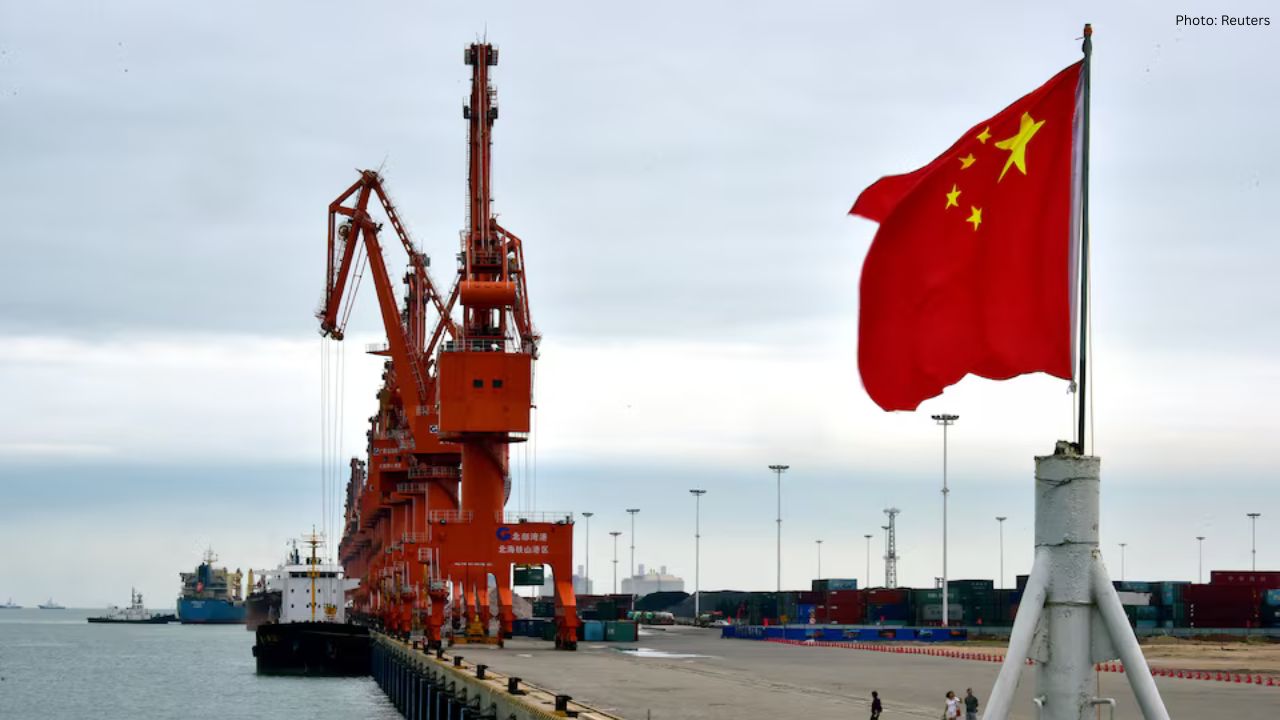
China has enacted significant revisions to its Foreign Trade Law, indicating its readiness to confront escalating global trade conflicts while simultaneously seeking to liberalize certain segments of its economy. The updated legislation was approved by the nation’s highest legislative authority and is set to take effect on March 1, 2026, as reported by state media.
This new law aims to equip the Chinese government with enhanced legal capabilities when confronting restrictions imposed on its exports by other nations. In recent years, China has encountered trade challenges from numerous major economies, notably the United States and its allies. By refining its legal framework, Beijing aims to safeguard its businesses and reinforce its standing in global commerce.
Originally enacted in 1994, China's Foreign Trade Law has seen several amendments, the latest occurring in 2022. These revisions typically align with significant shifts in global trading conditions. The most recent changes provide clearer stipulations that foreign trade must foster China’s economic and social growth, while also aspiring to establish the country as a formidable trading power.
A primary objective behind these amendments is to align China’s trade policies more closely with the standards set by leading international trading organizations, particularly the Comprehensive and Progressive Agreement for Trans-Pacific Partnership. This trade pact emerged partly to counterbalance China's expanding clout, but Beijing foresees that these legal enhancements may pave the way for deeper integration moving forward, thus lessening its reliance on the U.S. market.
The revised law emphasizes modern trading areas, including digital trade and environmentally sustainable practices. These sectors are gaining prominence globally as nations direct investments toward technology, renewable energy, and eco-friendly products. Additionally, the updates reinforce regulations around intellectual property, an issue that has often drawn scrutiny from foreign entities.
A crucial aspect of the revision involves establishing clearer guidelines for exports of sensitive items. The government aims to prevent legal ambiguities that might arise when it restricts shipments for reasons related to politics, security, or social stability. Officials are exercising heightened caution, given that private enterprises in China are increasingly willing to challenge government decisions through legal avenues.
Experts in trade highlight that Chinese ministries are now inclined to have well-defined written protocols prior to imposing any restrictions on shipments. This strategy diminishes the chances of litigations and public backlash. Recent disputes, including those concerning online platforms and prohibited imports, illustrate the complexities involved when private businesses are drawn into these decisions.
Moreover, the updated law gets China ready for potential future disputes with trading allies. As international competition intensifies and political disagreements seep into trade, Beijing is keen to ensure it has substantial legal grounds for any counteractions it may undertake.
In summary, the revamped Foreign Trade Law exemplifies China’s endeavor to strike a balance between openness and regulatory control. While the nation aims to attract foreign investment and expand its modern trade domains, it simultaneously seeks robust legal instruments to assert its interests during trade disputes. These changes signal China's strategic foresight in a future where trade regulations and economic strength will increasingly dominate the global landscape.