Recently, China unveiled three significant venture capital funds, each exceeding 50 billion yuan (around $7.14 billion), for a combined total of over $21 billion. These investments specifically aim to enhance growth in the “hard technology” sectors, a key priority in the nation’s innovation-focused agenda.
The new funds will primarily focus on early-stage startups valued at under 500 million yuan. This initiative aims to cultivate innovative technologies from their inception and expedite their pathway to market.
A fund manager disclosed that investments in individual startups will be capped at a maximum of 50 million yuan. This strategy enables a broader support base for various promising startups without channeling too much capital into any single enterprise.
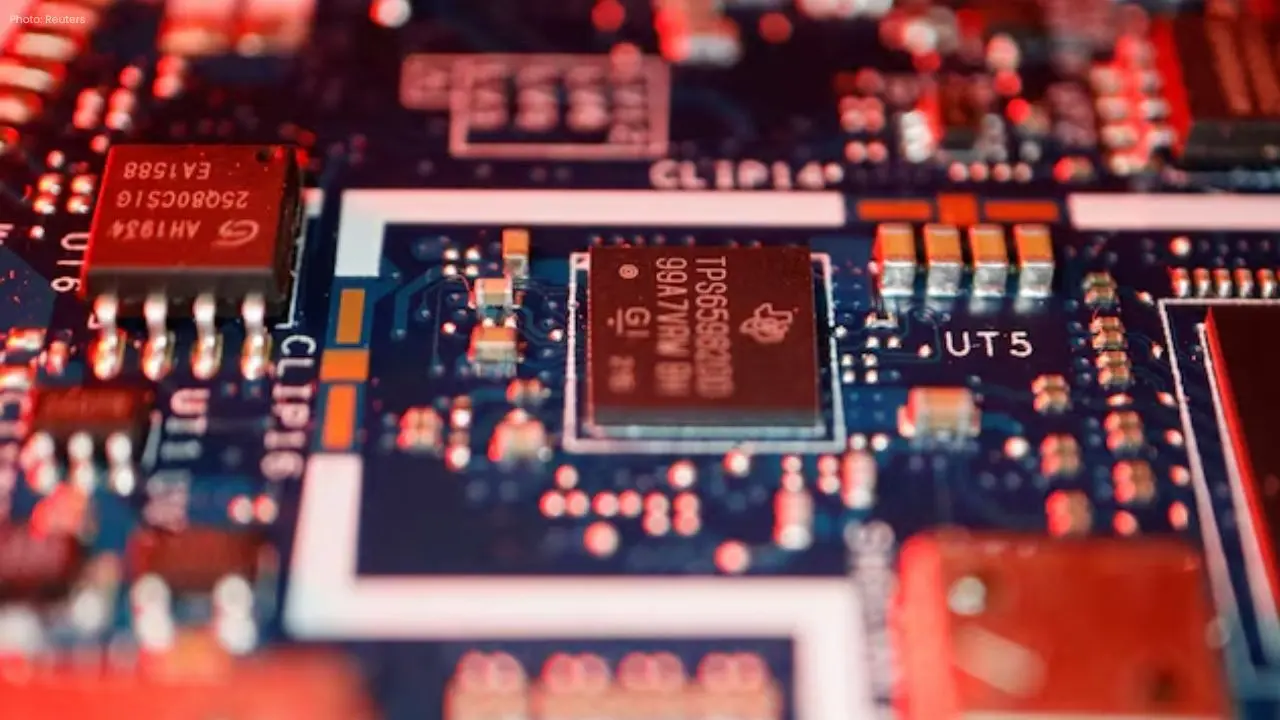
“Hard technology” generally encompasses industries characterized by advanced scientific and engineering advancements, including semiconductors, artificial intelligence, robotics, aerospace, novel materials, and biotechnology. China’s establishment of these funds signals its aim to emerge as a global frontrunner in these crucial tech domains.
This initiative arises amid escalating global competition in innovation and tech leadership. By directing substantial venture capital toward early-stage firms, China aspires to bolster its domestic technology framework and reduce reliance on external technology sources.
These funds are anticipated to hasten the commercialization of advanced technologies while contributing to Jiang’s long-term economic growth. Furthermore, this endeavor aligns with the nation’s larger objectives of transitioning from conventional manufacturing to high-tech and innovation-driven sectors.
The rollout of these three venture capital funds with a cumulative capital exceeding $21 billion marks a pivotal moment for nurturing technological innovation and supporting early-stage startups concentrated on hard technology. This strategic investment is poised to play a crucial role in influencing China’s technological future.