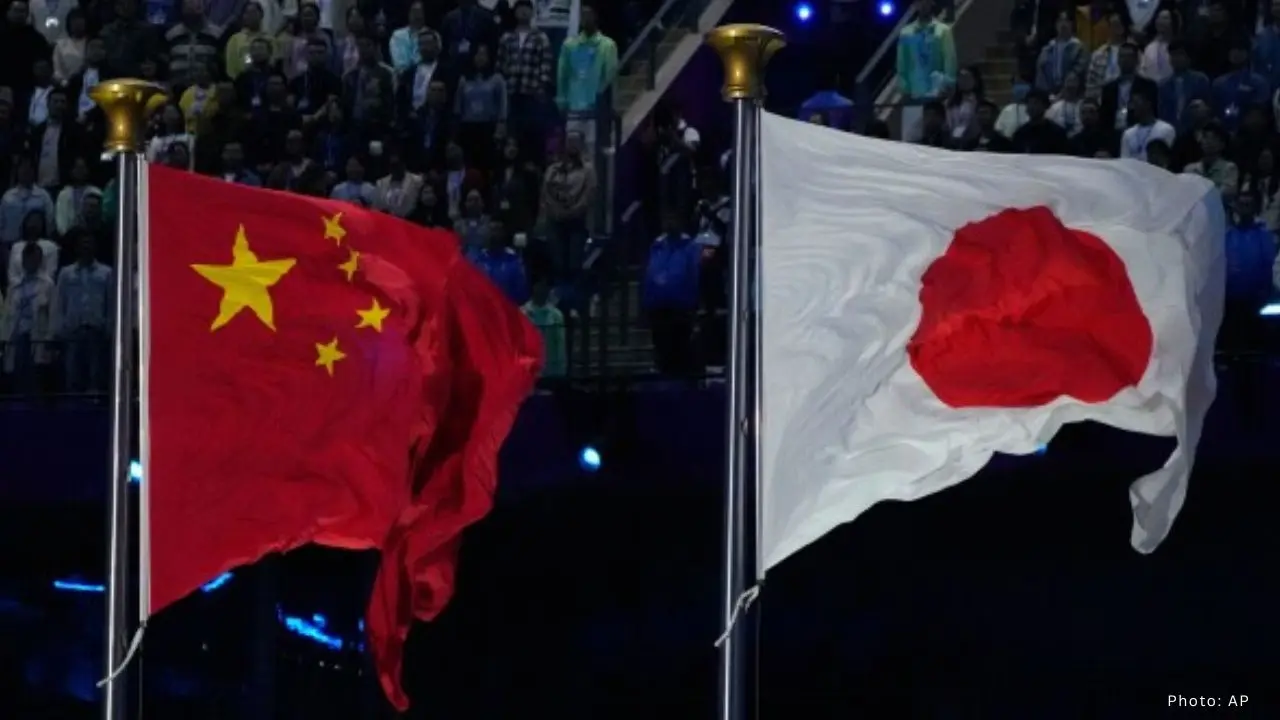
As 2026 commences, tensions between China and Japan, two significant players in East Asia, have reignited. Their lengthy and complicated relationship faces renewed strains from historical disputes, economic trade, and security issues. Recently, China condemned Japan over remarks related to Taiwan and instituted new trade restrictions, intensifying concerns regarding rivalry in the area.
This current wave of tensions was sparked by comments from Japan's Prime Minister, Sanae Takaichi, suggesting Japan might deploy military action if China threatened Taiwan. China labeled this statement as meddling in its internal affairs and a risk to regional stability. The Asian giant has also pointed out Japan's military developments along with historical misdeeds, recalling events from past conflicts and occupations.
Trade relations further complicate the situation. China has placed limitations on "dual-use exports" to Japan, encompassing products that could serve military purposes, such as advanced technologies and rare earth materials. Additionally, China initiated a probe into the price decline of dichlorosilane, a gas crucial for computer chip production, imported from Japan, claiming it harms domestic industries. Japan denounced these actions as "wholly unacceptable and deeply regrettable."
Historical grievances remain a vital issue in this ongoing conflict. China continues to urge Japan to acknowledge its actions during the early 20th century, including occupations and wartime conduct. Reports from Chinese sources have also raised alarms regarding Japan’s nationalist sentiments and possible nuclear ambitions, further stoking the fire.
Meanwhile, China has been fortifying its relationship with South Korea. South Korean President Lee Jae Myung's recent four-day visit to Beijing resulted in various agreements concerning trade, technology, and environmental initiatives. China is also promoting South Korea as a more desirable tourism option compared to Japan, reflecting a prominent shift in regional alliances.
Prospects for easing tensions appear dim. Japan is enhancing its defenses, while China remains vigilant against any threats to its sovereignty. With lingering historical resentments and current strategic interests, East Asia navigates a precarious and unstable landscape. Experts caution that without robust diplomatic interventions, tensions are likely to escalate, impacting regional security and economic dynamics.
In conclusion, the China-Japan dynamic remains tenuous. Lingering rivalries, military anxieties, and trade disagreements are key drivers of discord, while China’s growing rapport with South Korea introduces another layer to the regional diplomatic landscape. This scenario underscores the intricate balance of power and historical legacies in East Asia.