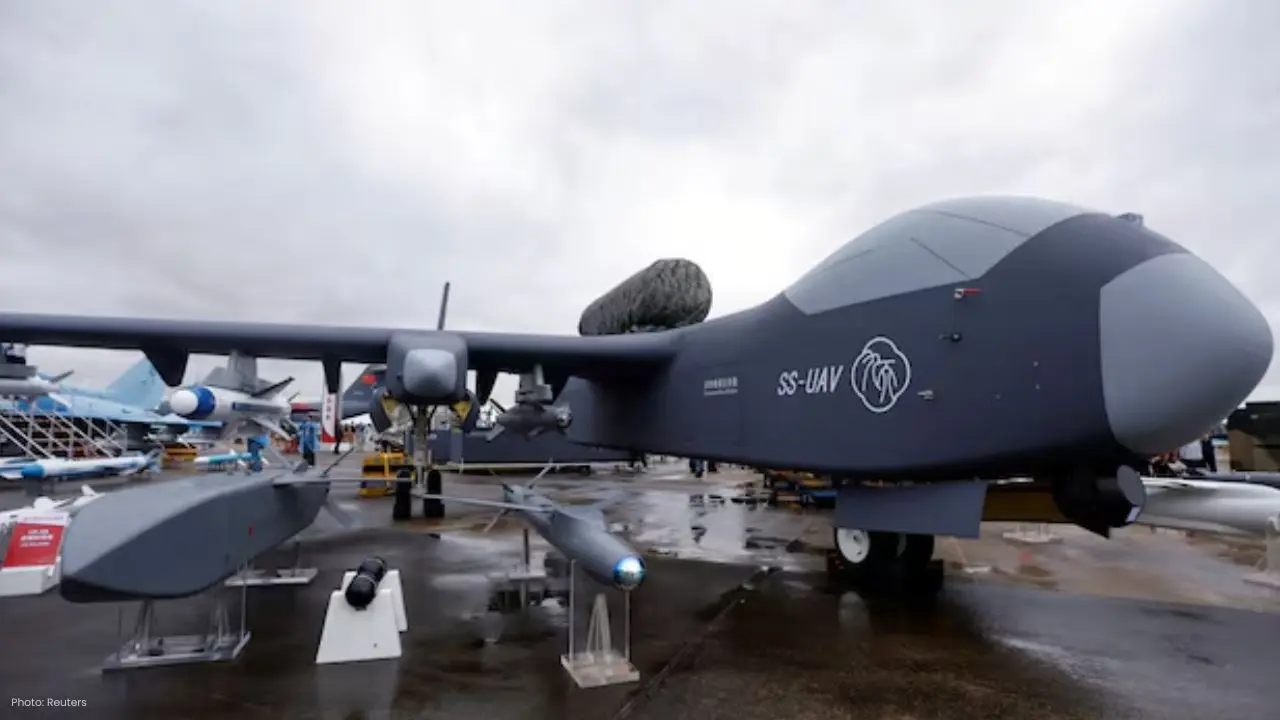
In a transformative move, China has enacted a pioneering amendment to its Civil Aviation Law, officially regulating unmanned aerial vehicles, commonly referred to as drones. This legislative update, which received approval from the Standing Committee of the National People's Congress on December 27, represents a significant leap in managing the fast-evolving drone sector and the burgeoning low-altitude economy.
The new regulations lay out a comprehensive legal framework to oversee the creation, operation, and governance of drones in the country’s expansive airspace. A standout feature is the imposition of airworthiness certification requirements for drones, a critical safeguard that was absent in prior regulations. This certification ensures that all drones comply with stringent safety and technical specifications prior to their operational approval, effectively mitigating potential safety risks and misuse.
China’s drone sector has witnessed meteoric growth, with uses ranging from agriculture and logistics to emergency services and urban planning. By implementing defined regulations, the government seeks to foster innovation and expansion within these fields while promoting responsible and safe drone practices. The statute not only urges manufacturers and operators to meet high standards but also augments oversight from relevant aviation authorities.
Industry experts anticipate that this legislation will greatly enhance the management of low-altitude airspace, increasingly congested due to the surge in drone usage. This regulatory clarity is expected to mitigate risks linked to uncontrolled drone operations, such as collisions with manned aircraft, privacy concerns, and disruptions to critical infrastructure. All stakeholders—including manufacturers, service providers, regulators, and the public—are projected to benefit from this comprehensive framework.
Additionally, this law aligns China with global aviation standards, affirming the country’s leadership role in the international drone landscape. This alignment is crucial as drones become essential assets in contemporary economies, facilitating activities like disaster response, parcel delivery, and environmental surveillance.
In conclusion, China’s enactment of formal regulations governing unmanned aircraft signifies a crucial advancement toward the safe and effective integration of drones into the national airspace system. This legislation is poised to propel sustainable development within the drone and low-altitude economic sectors while prioritizing public safety and encouraging technological progress in aerial applications.