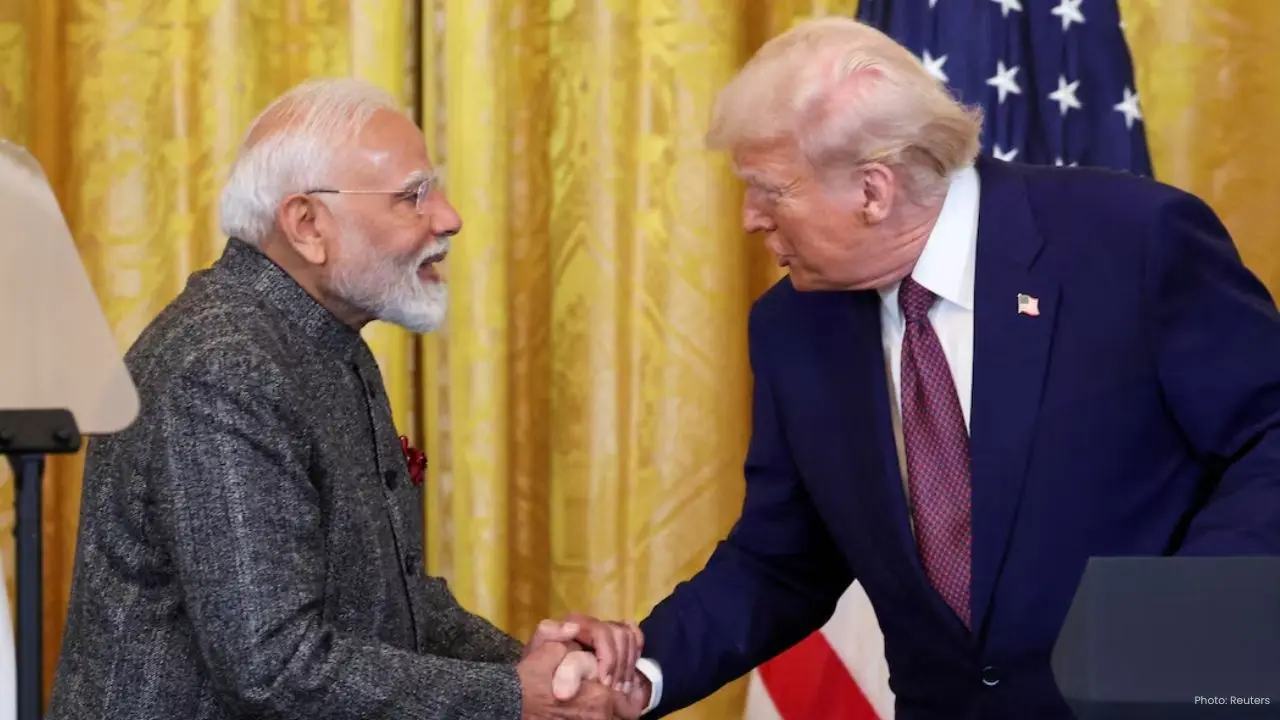
Following remarks from US President Donald Trump about mediating the conflict between India and Pakistan, China has now positioned itself as a significant peace mediator. Chinese Foreign Minister Wang Yi stated that Beijing has contributed to easing tensions not only in South Asia but in various global hotspots this year.
At an international relations symposium in Beijing, Wang Yi underscored the increasing prevalence of conflicts both locally and across borders. He reiterated China’s dedication to fostering peace by tackling both immediate issues and underlying causes. “We have successfully mediated crucial issues such as the discord between India and Pakistan, the unrest in northern Myanmar, the Iranian nuclear negotiations, Palestine-Israel tensions, and the recent skirmishes along the Cambodia-Thailand border,” Wang noted.
India, however, has firmly rejected the notion of third-party intervention in its dealings with Pakistan. New Delhi asserts that the ceasefire, which concluded the clashes from May 7 to May 10, stemmed from direct communication between the Director Generals of Military Operations (DGMOs) of India and Pakistan. The Indian Ministry of External Affairs emphasized that the truce was established during a phone discussion on May 10, stressing the lack of external interference.
China’s involvement in the conflict raises controversies, particularly regarding its military support to Pakistan. Reports indicate that China is responsible for over 81% of Pakistan’s military equipment. Indian military officials have accused Beijing of employing the May operations as a strategic “live lab,” invoking historical Chinese strategies to potentially destabilize India by bolstering Pakistan.
In the diplomatic arena, China urged both nations to exercise restraint during the crisis, expressing regret over India's air attacks while condemning terrorism. Beijing's stance reflects its complex relationships with both Pakistan and India, requiring a delicate diplomatic balance.
Amid these tensions, China acknowledged positive developments in its relationship with India. Wang Yi mentioned China’s invitation to Prime Minister Narendra Modi for the upcoming Shanghai Cooperation Organisation (SCO) summit, noting the potential for fruitful dialogue. He portrayed China-India relations as exhibiting “good momentum” and ongoing efforts towards a collaborative future.
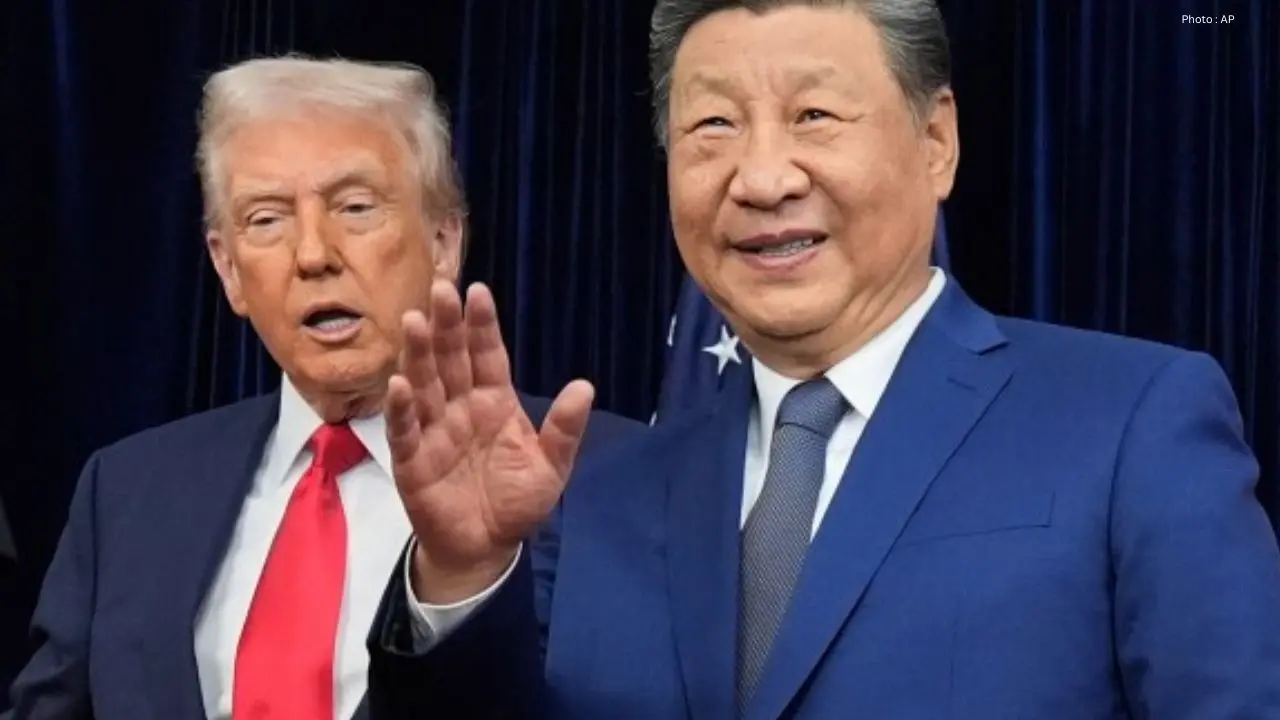
Wang Yi also addressed the strained relations between China and the US, critiquing the unilateral tariffs that have disrupted global trade and economic stability. However, he stressed the necessity for constructive dialogue and cooperation between these two superpowers, advocating for mutual respect and pragmatic engagement to influence global history positively.