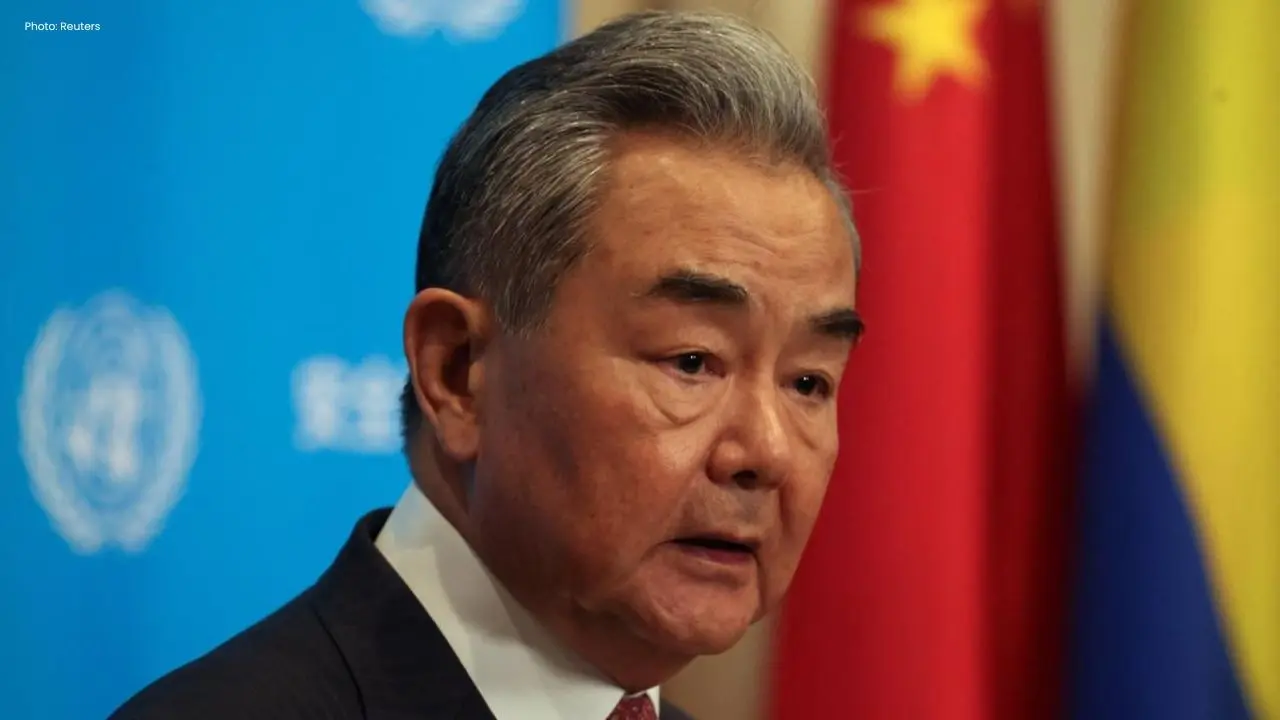
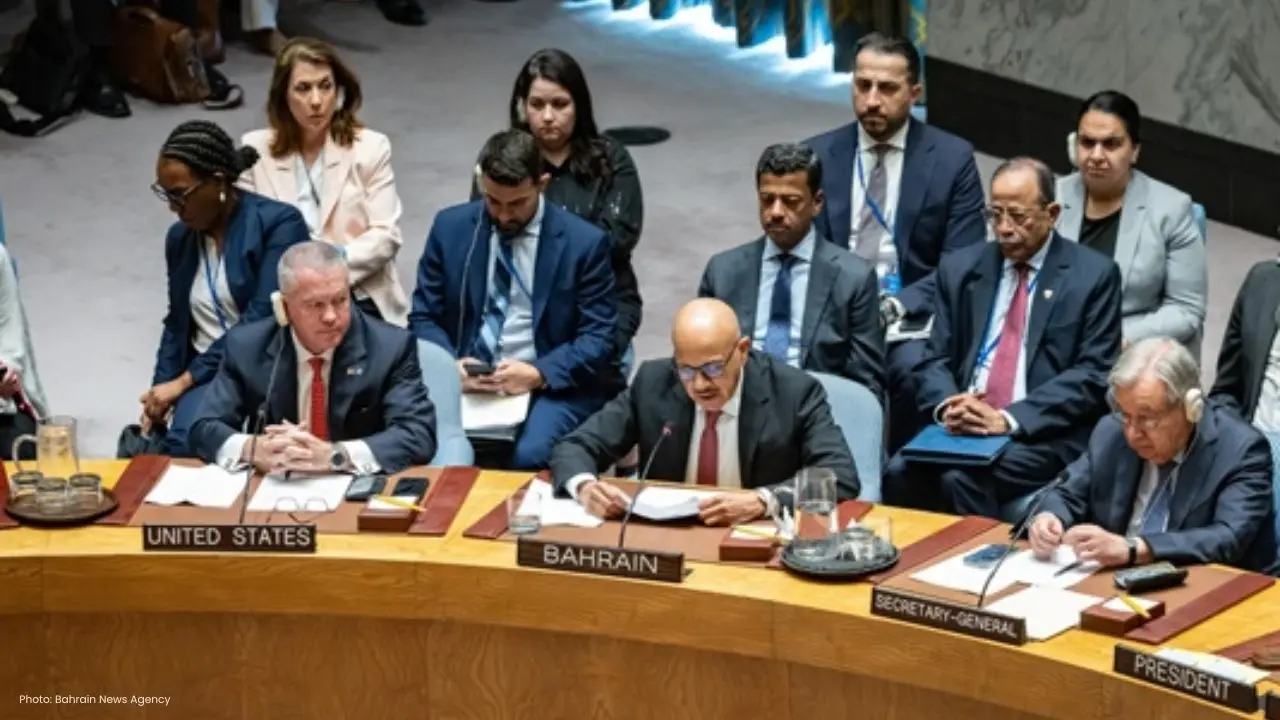
China has expressed strong backing for Pakistan’s role in mediating between the United States and Iran, particularly in light of the escalating tensions in West Asia. This support was articulated by Chinese Foreign Minister Wang Yi during a press briefing at the United Nations in New York.
Wang Yi underscored that open dialogue and negotiation are crucial for alleviating tensions between Washington and Tehran. He further stated that China is in favor of “active mediation” efforts from Pakistan and other nations dedicated to fostering peace and diplomatic discussions.
This endorsement follows U.S. Senator Lindsey Graham's recent remarks questioning Pakistan’s capability as a mediator, labeling its involvement as “problematic” on his social media platform, which has ignited discussions regarding Islamabad’s evolving diplomatic influence in the region.
China’s backing signals its broader strategy to advocate for peaceful negotiations in the Middle East, aiming to position itself as a pivotal diplomatic force by promoting dialogue over military conflict.
Wang reiterated that resolving the ongoing crisis can’t rely solely on confrontation or exertion of pressure. He maintains that direct discussions between the U.S. and Iran are essential to prevent greater instability, which threatens global energy supplies and international security.
Pakistan continues to enhance its diplomatic activities in the Middle East amidst rising tensions involving Iran, Israel, and the U.S. The nation consistently advocates for restraint, dialogue, and peaceful resolutions to avert broader regional disputes.
Analysts indicate that China’s public endorsement of Pakistan's mediation may bolster diplomatic collaboration between Beijing and Islamabad on various global matters, while also highlighting China’s expanding influence in conflict resolution and strategic diplomacy.
These developments arise during a time of increased geopolitical risks across West Asia, where ongoing conflicts have already impacted shipping corridors, energy markets, and international trading routes, particularly through significant areas like the Strait of Hormuz.
Global leaders remain vigilant as the situation unfolds, with concerns remaining high over the potential for broader confrontations involving both regional and international powers. The diplomatic approaches taken by nations like Pakistan are gaining more recognition on the global stage.