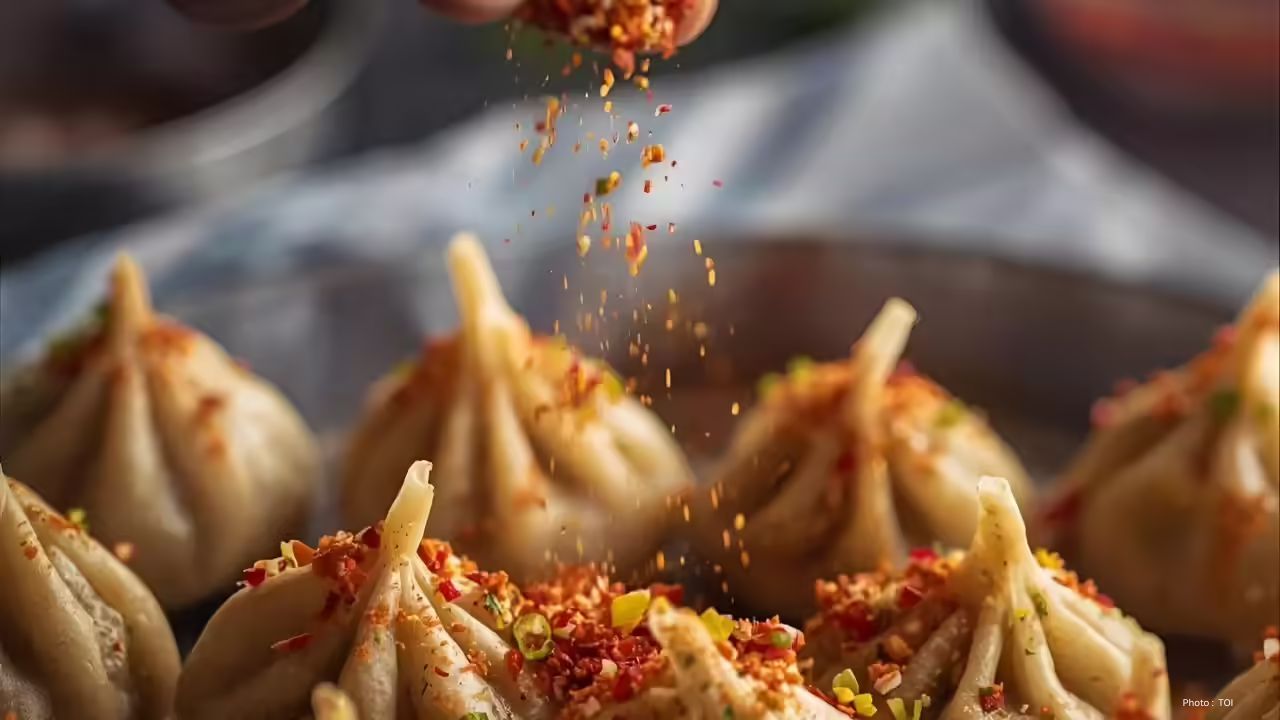
For many households, chaat masala is the little jar that turns ordinary snacks into memorable bites. From fruit bowls and street-style chaats to fritters and spiced drinks, its tangy, salty kick is instantly recognizable. Yet nutrition experts are increasingly urging caution: habitual use of this spice blend may carry health consequences if it becomes part of every meal.
What Is Chaat Masala Made Of?
Traditional chaat masala combines pungent and sour elements: black salt (kala namak), ground cumin, dried mango powder (amchur), coriander, powdered ginger, red chilli, and sometimes citric acid. The mixture creates a sharp, slightly sulfurous tang that lifts flavours quickly.
While individual spices can aid digestion — for example, cumin and ginger — the concern arises from the typically high levels of salt and acid in many commercial blends.
Why Can Chaat Masala Be Unhealthy?
Health professionals point to the elevated sodium content as the main issue when chaat masala is consumed frequently.
-
Raised Blood Pressure:
Excess sodium promotes fluid retention, forcing the heart to work harder and potentially increasing blood pressure over time.
-
Gastric Irritation:
Ingredients like black salt and amchur add acidity, which can trigger heartburn or upset the stomach lining when overdosed.
-
Risk of Dehydration:
Salty snacks make you feel thirsty; without adequate fluids this can lead to dehydration.
-
Kidney Load:
Chronic high sodium intake increases strain on the kidneys, a particular worry for people with existing kidney or heart conditions.
-
Added Chemicals:
Some packaged mixes contain preservatives, artificial colours or flavour enhancers that are best avoided with regular consumption.
How Much Is Safe to Eat?
Dietitians say an occasional sprinkle of chaat masala is harmless for most healthy adults. Using it sparingly on fruit or snacks once or twice a week is generally acceptable.
But habitually dosing dishes with it can push your sodium intake past recommended limits. The World Health Organization (WHO) advises keeping sodium below 2,000 mg per day — about one teaspoon of table salt. A single teaspoon of many commercial chaat masalas can contribute a large portion of that amount.
Hidden Sodium in Packaged Foods
Remember that packaged foods such as crisps, sauces, pickles and instant meals already add significant salt. Topping them with chaat masala raises total sodium quickly, increasing long-term risks like hypertension.
Homemade Chaat Masala: A Healthier Option
Making your own blend lets you control the salt and skip artificial additives, so you can keep the flavour and reduce health risks.
Simple Homemade Recipe:
-
2 tbsp ground cumin
-
1 tbsp ground coriander
-
1 tbsp dried mango powder (amchur)
-
½ tsp black salt (use less to cut sodium)
-
½ tsp chilli powder
-
A pinch of asafoetida (hing)
Stir the spices together and keep in an airtight jar. This version reduces sodium and avoids preservatives common in store-bought mixes.
Experts Speak
Dietitian Dr. Ritu Sharma cautions, “The spice itself isn’t the enemy — it’s the frequency and quantity. An occasional dusting is fine; daily habit can stealthily raise blood pressure and irritate the stomach.”
Cardiologist Dr. Vivek Menon adds, “Too much sodium is a leading, preventable contributor to heart disease. Small condiments like chaat masala can add up without people realising it.”
How to Enjoy Chaat Masala Safely
-
Reserve it for occasional use rather than every meal.
-
Avoid sprinkling it on already salty dishes.
-
Keep well hydrated to offset extra sodium.
-
Opt for homemade or low-sodium commercial blends.
-
Read labels carefully for preservatives or MSG.
The Bottom Line
Chaat masala brings delightful tang to many recipes, but moderation is essential. Treat it as an occasional accent rather than a constant condiment to protect your heart, stomach and kidneys.
Like many cherished spices, chaat masala deserves a place in the kitchen — just not on the table at every meal. With mindful use and a homemade alternative, you can enjoy the flavour while keeping health risks in check.