A recent decision to extend the ceasefire between Israel and Lebanon has provided a brief moment of relief in a region beset by weeks of escalating tension and concern. Alongside this, Iran’s willingness to engage in talks with the United States signals a potential diplomatic avenue that could help avert a broader conflict.
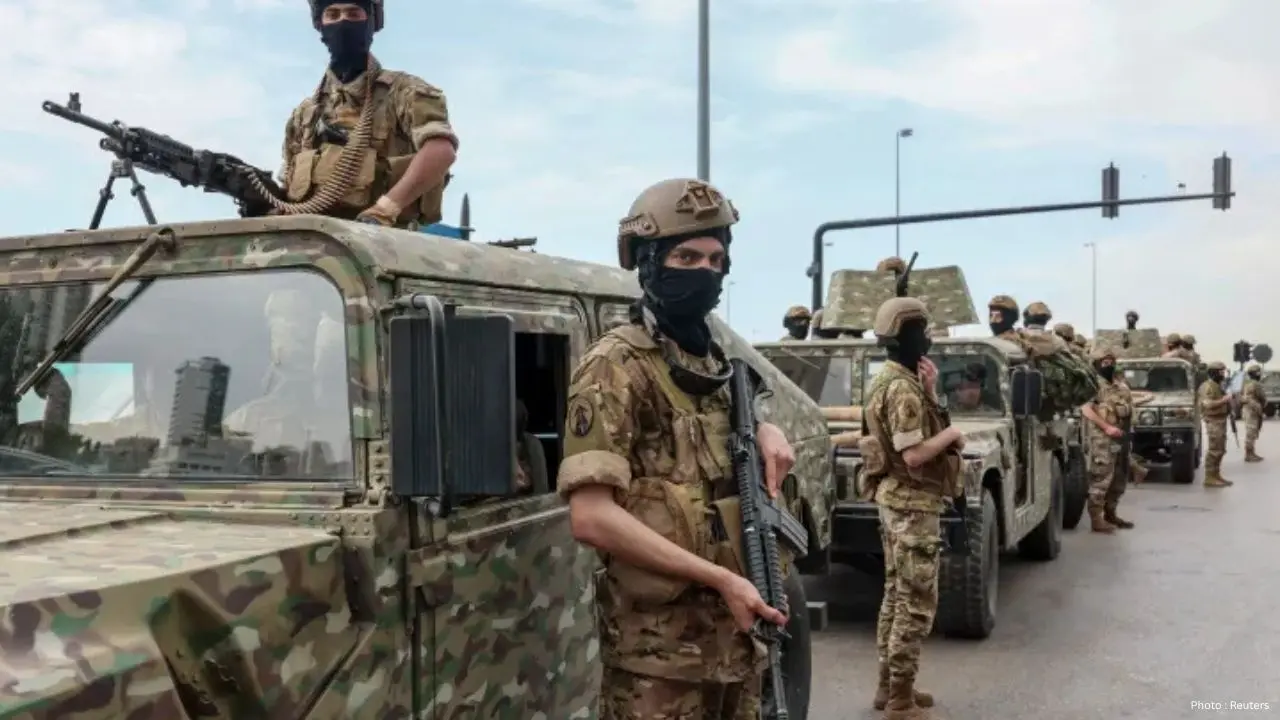
The extension follows mounting international appeals for de-escalation along the Israel-Lebanon border, where clashes between Israeli forces and Hezbollah fighters have displaced numerous families and caused significant destruction in southern Lebanese towns. The renewed truce, set for an additional 45 days, is a vital step towards restoring a semblance of stability.
Despite this extension, the tranquility remains precarious. Fresh reports of hostilities and security operations reveal that peace is far from assured. Residents near the border are living in fear, bracing for any sudden flare-ups. Consequently, global leaders are emphasizing the importance of both parties exercising restraint to prevent a resurgence of violence.
Iran’s involvement is pivotal in this situation, given its support for Hezbollah and its overarching influence in regional dynamics. Also relevant are Tehran's recent indications of a readiness for further discussions with Washington about security and nuclear concerns. The outcome of these talks bears significant implications, as the fraught relationship between the U.S. and Iran impacts the entire Middle Eastern landscape.
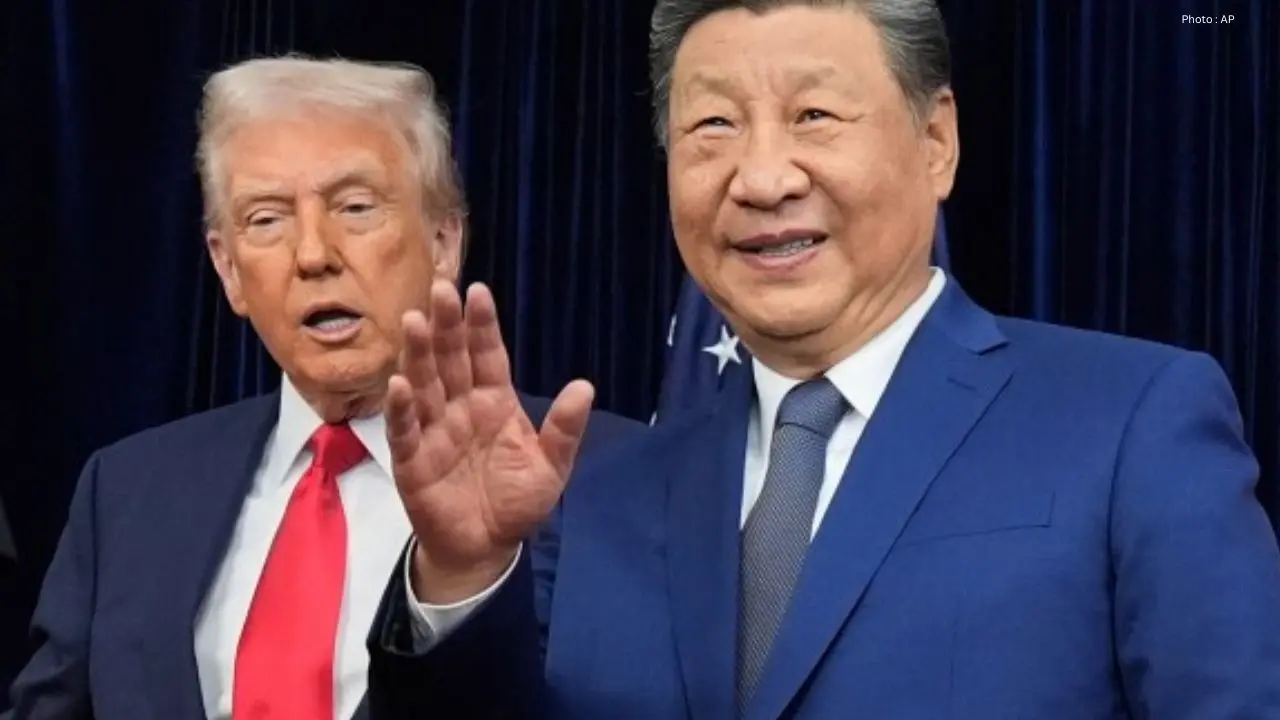
The U.S. is attempting to juggle military pressure with diplomatic overtures, aiming to avert a large-scale conflict while urging Iran to restrict its nuclear ambitions. Conversely, Iran insists on alleviating sanctions and obtaining stronger assurances before making any significant concessions. These contrasting priorities render negotiations complex and fraught with challenges.
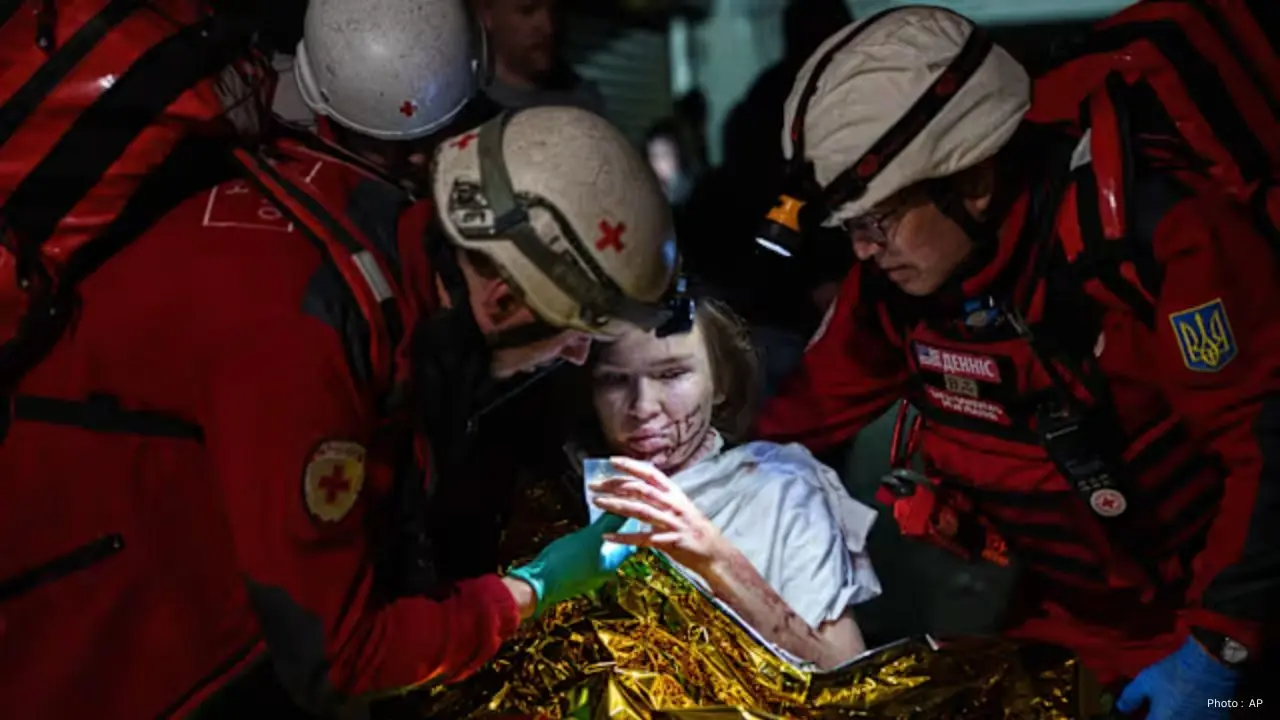
The human toll of the conflict is already severe, with Lebanese families grappling with the devastation of their homes and Israelis living under the threat of renewed assaults. Economic turmoil, surging prices, and pervasive uncertainty further exacerbate difficulties for those in the region.
While the ceasefire extension does not signify the end of the crisis, it presents a valuable opportunity for de-escalation. Achieving lasting peace in the Middle East requires more than military might — it necessitates genuine dialogue, patience, and earnest negotiations among all involved parties.
The upcoming weeks are critical in determining the future of the region. Continued dialogue combined with a commitment to restraint may usher the area closer to stability; however, any resurgence of tensions could plunge the Middle East back into a perilous cycle of conflict and unpredictability.