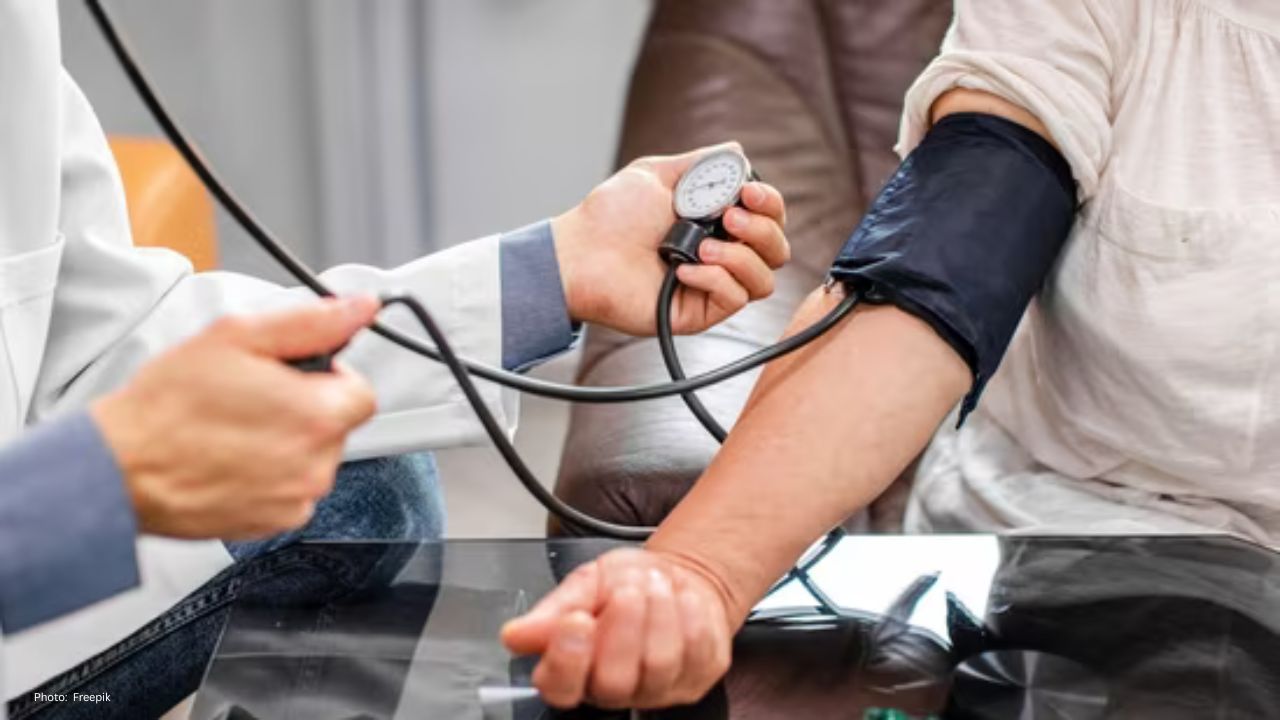
Dr. Evan Levine, a respected cardiologist at Mount Sinai Hospital in New York, emphasizes the crucial message about hypertension, commonly known as high blood pressure. With over three decades of experience, he highlights that many individuals are unaware of the true implications of this health condition. Surprisingly, the most typical symptom of high blood pressure is the absence of any symptoms.
According to Dr. Levine, many delay seeking medical advice until they experience pain or discomfort, yet high blood pressure often presents no obvious signs. Consequently, healthcare professionals label it the “silent killer.” A person may appear perfectly normal while the condition stealthily harms their heart, blood vessels, and kidneys.
However, some individuals do exhibit signals when experiencing elevated blood pressure. Dr. Levine mentioned a few concerning signs, including headaches that may feel like tightness at the front or back of the head. Blurred vision can also occur, particularly when one is fatigued. Additionally, shortness of breath—feeling unable to take a full breath during light activity—can be another indicator.
Chest pain may arise as the heart exerts itself more to circulate blood, while nosebleeds can happen, though they are not universal. Another potential sign is cloudy or frothy urine, suggesting kidney involvement.
Despite these potential indicators, Dr. Levine cautioned that the majority of individuals with high blood pressure experience no symptoms whatsoever, making the condition particularly perilous as it can lead to strokes, heart attacks, or heart failure if left unchecked.
He strongly advocates for regular blood pressure checks, even for those who feel healthy. An annual assessment at a healthcare facility can be vital. For those who may find it economically challenging to visit a doctor frequently, using a home blood pressure monitor is a practical alternative.
Dr. Levine emphasized that early detection can save lives. By identifying high blood pressure promptly, individuals can adopt fundamental lifestyle modifications, such as engaging in regular exercise, reducing salt intake, increasing fruit and vegetable consumption, drinking plenty of water, and utilizing medications if necessary to safeguard heart health.
Hypertension is prevalent in numerous countries, particularly among individuals who have sedentary occupations, consume fast food, or endure high stress levels. Simple lifestyle adjustments and consistent monitoring can avert grave health complications.