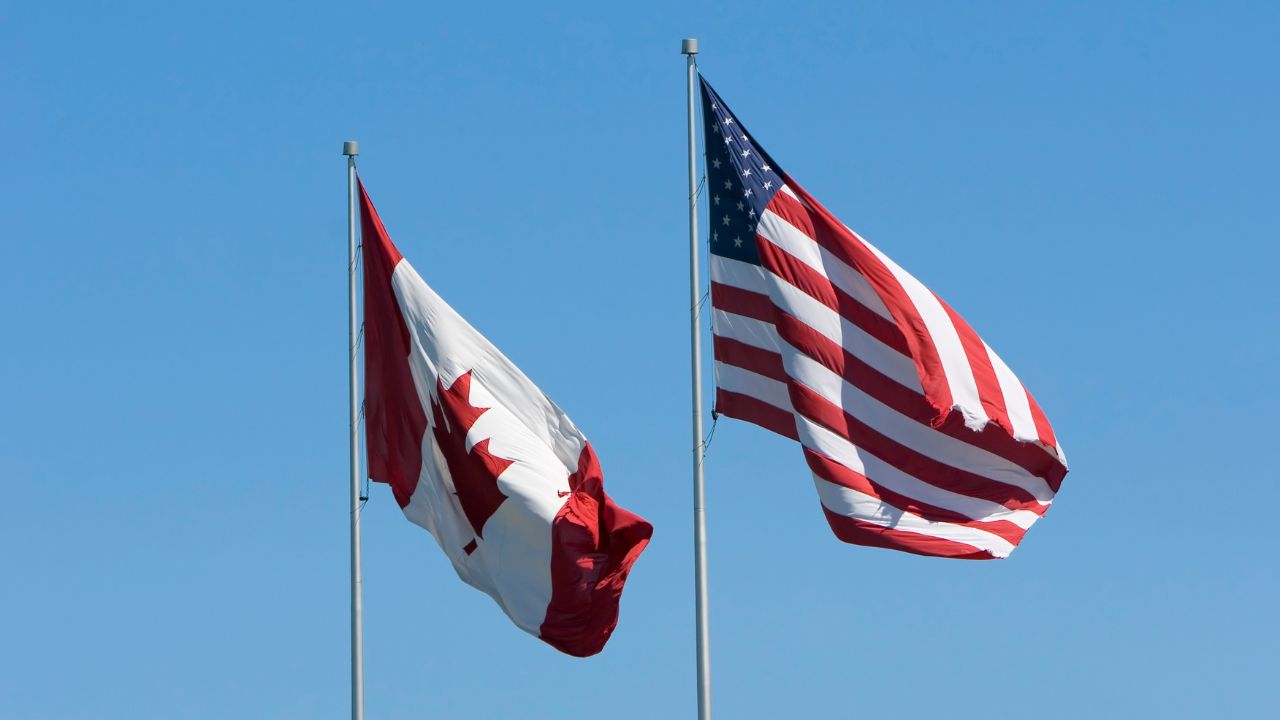
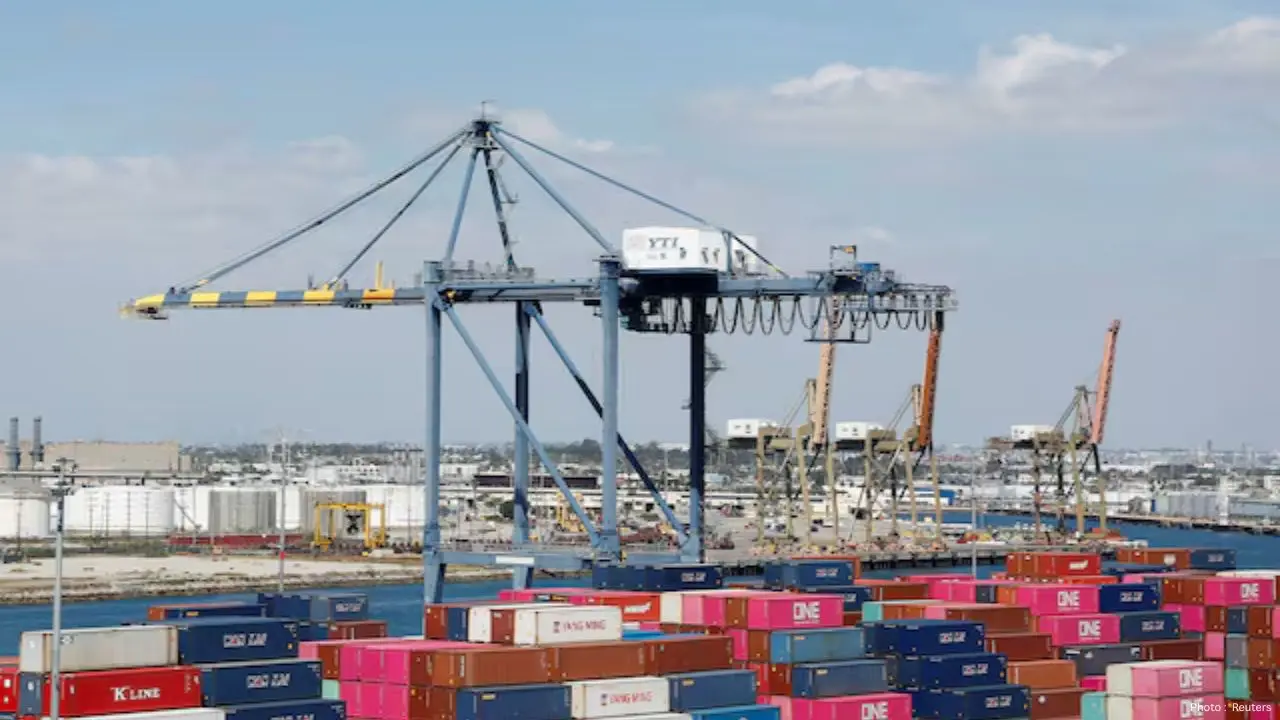
Canada has announced that it will reduce its retaliatory tariffs on American goods to match the exemptions that the United States provides under the United States-Mexico-Canada trade agreement, commonly known as USMCA. Prime Minister Mark Carney made this announcement on Friday, August 22, 2025, explaining that the adjustment is intended to strengthen trade ties and support Canadian businesses.
According to Carney, the new tariff adjustments will include the same carve-outs that the U.S. applies to Canadian goods. These carve-outs, part of the 2020 free trade deal, protect the majority of goods from heavy duties, ensuring that trade between the two countries remains largely free.
“Canada currently has the best trade deal with the United States. While it may differ from past agreements, it is still stronger than the deals we have with any other country,” Carney stated.
Purpose of the Tariff Changes
The Canadian government’s decision is aimed at resetting trade discussions between Canada and the U.S., especially as the USMCA agreement is scheduled for review in 2026. Carney emphasized that the move ensures Canadian businesses continue to enjoy favorable access to the U.S. market, which is vital for the country’s economy.
By aligning its tariffs with U.S. exemptions, Canada protects the flow of goods across the border and strengthens the economic partnership between the two nations. Carney highlighted that the U.S. commitment to USMCA ensures that tariffs on most Canadian goods remain low. Currently, more than 85% of trade between Canada and the U.S. is free of tariffs, giving Canadian businesses a significant advantage.
Preferential Treatment for Businesses
Under the USMCA, both Canadian and Mexican companies can claim preferential treatment, meaning special rules and exemptions apply for goods traded between these countries. This helps businesses maintain competitive prices and ensures smooth trade operations.
Previously, former Prime Minister Justin Trudeau had introduced retaliatory tariffs in response to U.S. duties. However, before these tariffs took effect, the Trump administration had exempted goods covered under the free trade deal. Carney’s announcement now ensures that Canadian tariffs fully align with U.S. exemptions, removing previous uncertainties for businesses.
Importance of the USMCA for Canada and Mexico
The USMCA plays a crucial role in the economies of both Canada and Mexico because the U.S. is their largest trading partner. More than 75% of Canadian exports and over 80% of Mexican exports are destined for the U.S. market. Maintaining the benefits of the USMCA is essential for protecting the economic stability and growth of both countries.
U.S. Commerce Secretary Howard Lutnick has indicated that the U.S. may seek to renegotiate certain parts of the USMCA. However, Carney stressed that Canada will continue to preserve the agreement’s core advantages while addressing specific trade issues, ensuring Canadian businesses are not adversely affected.
Sector-Specific Tariffs Remain
While most tariffs have been adjusted, some U.S. tariffs still apply to specific Canadian goods under Section 232 of U.S. trade law. These include high tariffs of 50% on steel and aluminum imports. Carney explained that Canada will maintain its tariffs on steel, aluminum, and autos while working intensively to resolve these sector-specific disputes through negotiations.
These tariffs have been a source of concern for Canadian industries, particularly in manufacturing and resource sectors. By retaining some of its own tariffs, Canada ensures that domestic producers remain protected during the negotiation process.
Carney’s Statement on Trade Relations
“Canada and the United States have reestablished free trade for the vast majority of our goods. Canada will retain its tariffs on steel, aluminum, and autos as we work intensively to resolve the issues there,” Carney said.
The Canadian government hopes that these changes will support domestic industries and businesses, allowing them to continue accessing one of the world’s largest markets without disruption while resolving ongoing trade disputes.
Economic Impact of the Tariff Adjustment
The reduction of retaliatory tariffs is expected to stabilize trade relations between Canada and the United States. Canadian exporters, especially in agriculture, manufacturing, and other key sectors, will benefit from the removal of these additional duties.
Matching U.S. exemptions strengthens Canada’s position in the global market, giving Canadian businesses a competitive advantage and improving trade predictability. This alignment ensures that Canadian industries can continue to grow while maintaining strong economic ties with the U.S.
Canada’s decision to adjust tariffs under the USMCA highlights the importance of strong trade relations with the United States. By aligning with U.S. exemptions, Canada protects the majority of its goods from heavy tariffs while continuing to negotiate in challenging sectors such as steel, aluminum, and automobiles.