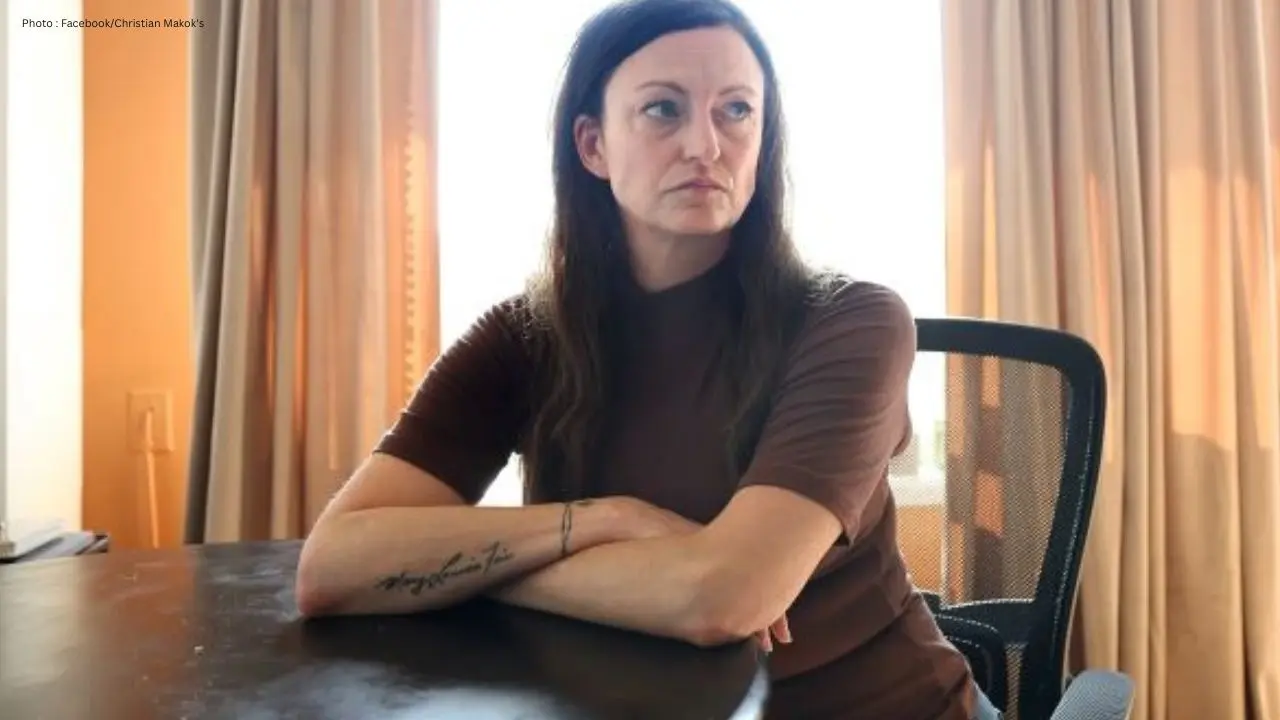
A woman from Toronto has raised serious concerns about how Canada’s assisted dying policies are being reviewed, saying the voices of those most affected are not being heard. Claire Elyse Brosseau, 49, says she has been waiting years for access to Medical Assistance in Dying but remains ineligible under current laws because her condition involves mental illness alone.
Brosseau, who has long struggled with severe mental health conditions, says her daily life is deeply distressing and that she wants the option to die legally, surrounded by family. However, Canada has not yet expanded eligibility for MAID to include individuals whose only underlying condition is a mental disorder, despite plans to do so in the future.
The issue is currently under review by the Special Joint Committee on Medical Assistance in Dying, also known as AMAD. The committee is responsible for advising the federal government on whether and how to expand access to assisted dying. Critics, including Brosseau and several experts, argue that the committee is not fully meeting its mandate to conduct a comprehensive and balanced review.
One of the main concerns is that individuals with lived experience of severe mental illness have not been adequately included in the committee’s hearings. Brosseau says she reached out to testify but has not been invited, despite receiving confirmation that her request was received. She believes that policy decisions should directly include those who are most impacted.
Medical and legal experts have also raised concerns about the process. Mona Gupta, who has appeared before the committee, said it is important that people with firsthand experience are part of the discussion. Without their input, she warned, decisions may be based on incomplete understanding.
Committee co-chair Marcus Powlowski acknowledged that no witness with direct lived experience has testified since the committee resumed its work this year. He noted that time constraints and the need to hear from a wide range of experts have influenced the selection of witnesses, though written submissions from the public are being considered.
The debate over expanding MAID eligibility remains highly sensitive. While assisted dying has been legal in Canada since 2016 and has been used by tens of thousands of people—mostly those with serious physical illnesses—extending it to mental health cases continues to divide opinion among policymakers, medical professionals, and the public.
Supporters of expansion argue it offers dignity and choice to those suffering, while opponents warn about risks and the need for stronger safeguards. As the committee continues its review, critics say that failing to include affected individuals like Brosseau could lead to policies that do not fully reflect the realities faced by those living with severe mental illness.
The outcome of this debate is expected to shape the future of assisted dying laws in Canada, making the current discussions both critical and closely watched.