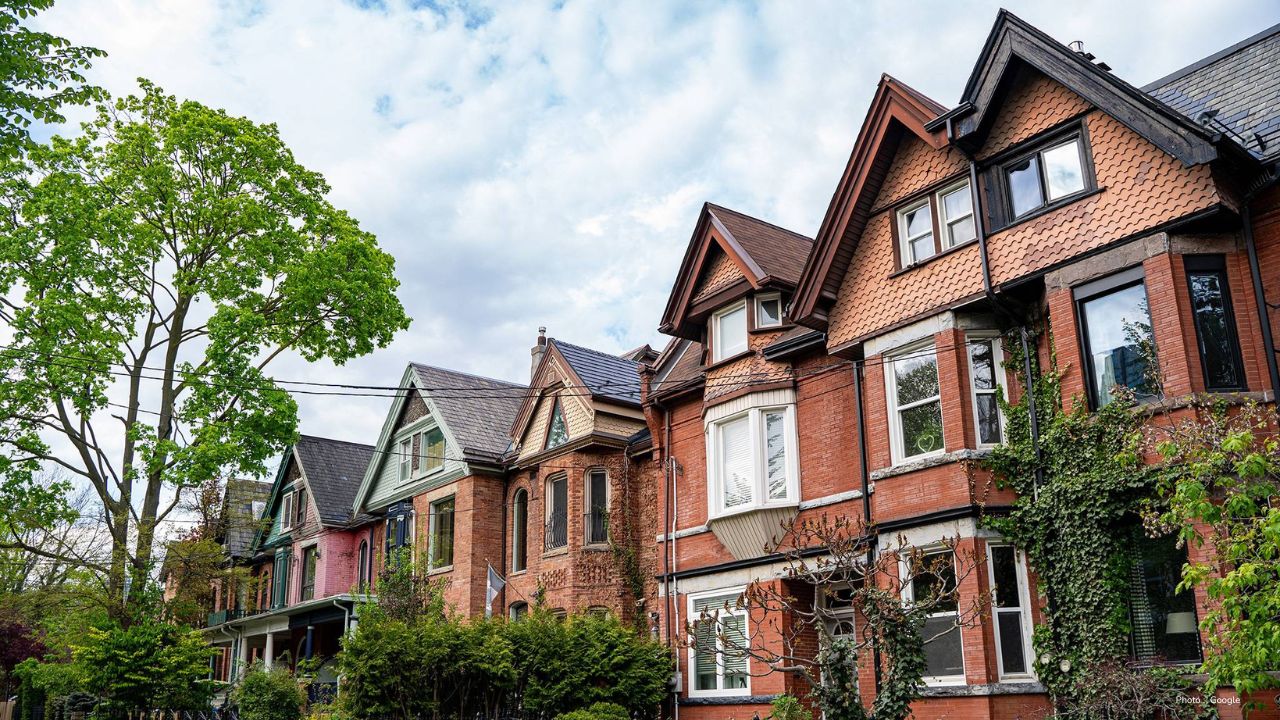
Canada’s housing market has been in the spotlight for many years, and as we move into 2026, questions about rising prices continue to concern homeowners, buyers, and policymakers. With a growing population, shifting economic conditions, and changing government policies, Canadians are eager to know whether housing prices will keep climbing or start to stabilize. This article explains the key factors shaping the market in simple words that anyone can understand.
Current Trends in the Housing Market
In recent years, Canada’s housing market has experienced strong price growth, especially in major cities like Toronto, Vancouver, and Montreal. The main reason for this increase is the high demand for homes compared to the limited supply. More people are looking for housing than the number of homes available. Low mortgage interest rates over the past few years also encouraged buyers to take loans and buy homes, which further pushed prices up.
However, the market has shown some signs of cooling in late 2025. Higher interest rates introduced by the Bank of Canada have made borrowing more expensive. Many potential buyers are now finding it harder to afford monthly mortgage payments. This has caused some slowdown in home sales, although prices remain high due to limited housing supply.
Factors Affecting Housing Prices in 2026
Interest Rates: The cost of borrowing money through mortgages has a major impact on the housing market. If interest rates remain high, fewer people can afford to buy homes, which may slow down price growth. On the other hand, if rates decrease, buying becomes cheaper, and prices may rise again.
Population Growth and Immigration: Canada continues to attract immigrants, especially skilled workers and international students. This increases the demand for homes, particularly in urban areas. A growing population can put pressure on housing supply, keeping prices high.
Housing Supply: One of the biggest challenges in Canada’s housing market is the limited supply of new homes. Construction has not kept pace with demand in many regions. If the government and developers build more houses, it could help stabilize prices over time.
Government Policies: The Canadian government and provincial authorities have introduced programs to make housing more affordable. For example, first-time homebuyer incentives and taxes on foreign buyers aim to balance the market. How these policies change in 2026 will influence home prices significantly.
Economic Conditions: The overall economy, including job growth and wages, affects people’s ability to buy homes. A strong economy can support higher prices, while an economic slowdown could reduce demand.
Regional Differences in Housing Prices
Housing markets across Canada are not the same. Cities like Toronto and Vancouver have very high prices due to strong demand and limited land for development. Smaller cities and rural areas often have more affordable housing options. In 2026, price trends may vary depending on the region, with big cities seeing slower growth while smaller markets might remain stable or even grow slightly.
Challenges Facing Buyers
For many Canadians, the biggest challenge is affordability. Even with slowing price growth, housing in major cities remains expensive for first-time buyers. Rising interest rates and higher living costs make it harder for families and young adults to enter the housing market. Renting is also costly in many areas, which adds pressure on households to save more for homeownership.
Expert Opinions
Economists and real estate experts suggest that while housing prices may continue to rise in some areas, the growth will likely be slower than the rapid increases seen in the past decade. “We expect the market to adjust gradually,” says a Canadian real estate analyst. “Prices will not fall sharply, but buyers should prepare for higher mortgage costs and moderate price growth.”
Tips for Buyers in 2026
Plan Your Budget: Understand your financial limits and how much mortgage you can afford.
Explore Different Locations: Consider smaller cities or suburban areas where housing is more affordable.
Stay Updated on Interest Rates: Mortgage rates can change quickly, so keep track of trends.
Look for Government Programs: First-time buyer incentives and other schemes can make purchasing easier.
Disclaimer
Canada’s housing market in 2026 is likely to remain active, but the pace of price increases may slow down. Factors like interest rates, population growth, housing supply, government policies, and economic conditions will play a major role in shaping the market. While big cities may continue to see high prices, smaller regions might offer more affordable options for buyers. Canadians need to stay informed and plan carefully as they navigate the housing market in the year ahead.