As Myanmar gears up for its general election, the atmosphere across the nation is marked by tension and quiet, a stark contrast to the vibrant campaigns of previous elections. Years of civil war, fear, and a severe humanitarian crisis have drained the spirit from the process, leaving many citizens feeling uncertain, anxious, and disconnected.
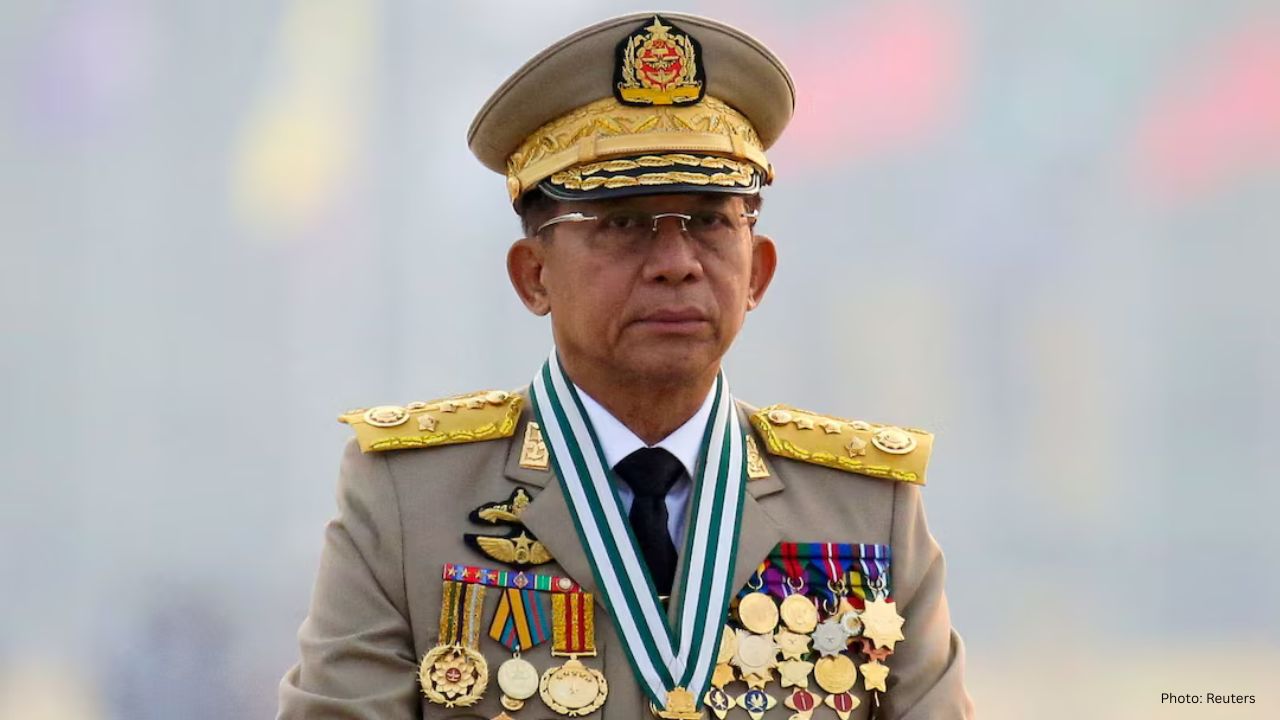
This election occurs almost four years following the military coup in 2021, which ousted the democratically elected government led by Aung San Suu Kyi. Since then, the country has been engulfed in extensive conflict between the military and armed opposition groups, resulting in widespread poverty and displacement for millions. Critics argue that the election is primarily a tool to maintain the military's grip on power rather than an authentic reflection of the populace’s desires.
Residents in major cities such as Yangon report that this year's campaigning seems nearly non-existent. Unlike previous elections, where streets were alive with rallies, flags, and music, the current scenery consists mostly of subdued signboards and posters, with minimal interaction between candidates and voters. Many candidates are wary of public gatherings due to safety concerns, and even when rallies do transpire, they are typically heavily guarded.
Many residents have observed that even military-affiliated parties are hardly seen engaging in grassroots campaigning. The Union Solidarity and Development Party, which has strong ties to former military leaders, remains the most visible but is still conducting limited outreach compared to earlier elections.
This prevailing disinterest is closely linked to an atmosphere of fear. The United Nations has issued warnings about threats being made against individuals who participate in the elections, coming both from military officials and opposing factions. Citizens are apprehensive about the repercussions of casting their votes, as well as the possible consequences of abstaining from the polls.
Concerns over potential arrests, travel limitations, or being added to military conscription rosters are prevalent among voters. Additionally, the thought of going to polling stations raises fears of possible violence. Misinformation circulates rapidly in such a hostile environment, intensifying the confusion and anxiety among the populace.
The elections, which will be conducted in three phases, will only cover parts of the nation. Significant regions impacted by ongoing conflicts will not participate at all. Authorities have yet to disclose when the votes will be tallied or when results will be made public, further raising doubts about the election's transparency.
While the military government asserts that the election process is free and voluntary, state media suggests it presents a chance to restore a legal and orderly governance framework, albeit imperfect. Contrarily, Western nations, human rights organizations, and the United Nations strongly contend that this election fails to meet the standards of freedom and fairness.
For many citizens, this election represents a burden rather than a beacon of hope. Instead of anticipating change, sentiments of fear, silence, and doubt dominate the atmosphere. As Myanmar prepares to vote, the lack of open dialogue and public confidence underscores the profound impact that conflict has had on the nation’s political landscape.