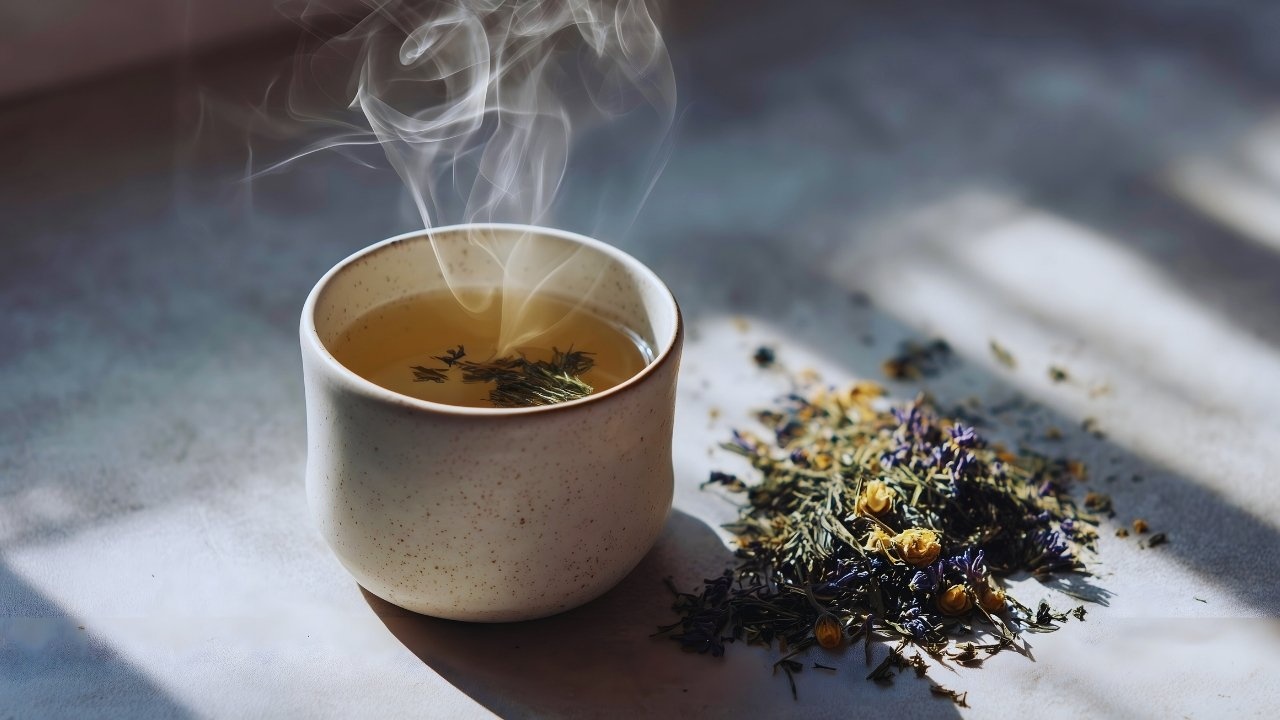
Coffee shops globally have recently experienced a shift away from traditional caffeine-rich beverages. The current spotlight is on herbal teas and adaptogenic drinks, which have gained significant traction following a health-benefit report released last week. This report emphasized the positive effects of adaptogens on stress, immunity, hormonal balance, and overall metabolic health, igniting curiosity among consumers traditionally inclined towards coffee.
This increase in interest transcends a mere trend; it reflects a larger cultural movement towards mindful consumption and plant-based wellness solutions. Beverages such as lavender-rose infusions to ashwagandha lattes and maca blends are becoming staples in cafés across the globe, as they adapt their offerings to meet this newfound consumer demand. Herbal teas and adaptogens are now accessible at cafes, moving beyond specialty health stores and niche venues.
In this article, we delve into the factors behind this rising trend, including the science related to adaptogens, the inventive ways cafés are revamping their menus, and what patrons are seeking in these new drink choices — ultimately illustrating how this phenomenon is poised to influence the beverage sector in the coming years.
Insights from the Health-Benefit Report
The primary trigger for this surge was a thorough analysis detailing the benefits of adaptogenic herbs and herbal teas in areas such as stress relief, sleep improvement, and immune function enhancement. While these herbs have been utilized in traditional medicine for centuries, the recent study provided them with new scientific support that resonated deeply with the public.
Key Findings Include:
-
Stress management properties of herbs like ashwagandha, rhodiola, and tulsi.
-
Improved sleep through relaxing teas such as chamomile and lavender.
-
Cognitive enhancement linked to ginseng and lion’s mane.
-
Gut health advantages from herbal digestive brews like ginger.
-
High antioxidant levels in hibiscus and green teas.
-
Support for hormonal balance through adaptogens prominent in Ayurveda.
The report’s compelling findings quickly circulated through media outlets, influencers, and café chains’ social platforms, leading to a marked increase in requests for natural, functional beverages that promise enhanced mental clarity and energy without the usual caffeine crash.
Why the Shift Toward Herbal Teas and Adaptogens?
This change is a reflection of broader consumer trends.
Increased Wellness Awareness
In the wake of the pandemic, health consciousness has significantly shaped purchasing habits, linking beverage choices to mood and long-term wellbeing instead of mere taste.
Feeling Overwhelmed by Caffeine
Coffee enthusiasts often face day-time crashes or sleep issues. Herbal options provide gentler alternatives supporting mental clarity without overstimulation.
Preference for Natural Solutions
With more people turning to plant-based approaches for health issues, adaptogens serve as an intersection between traditional remedies and modern wellness practices.
Impact of Social Media
Herbal teas and adaptogens are prevalent in wellness narratives across platforms, prompting café users to sample these drinks.
Desire for Tailored Experiences
Consumers today favor drinks with distinct benefits — be it for calmness or detoxification — over generic café options.
Combined, these factors create a fertile landscape for cafés to explore herbal and adaptogenic drinks.
Café Menus: A Rapid Transformation
Cafés are innovating at a remarkable pace, launching new beverage categories in response to rising consumer interest.
Curated Herbal Tea Sampling
Some cafés now offer tasting boards featuring a variety of herbal teas, inviting patrons to experience different flavors.
Healthful Lattes
Lattes infused with ashwagandha, maca, and rhodiola are quickly becoming standard offerings, merging café culture with wellness routines.
Signature Herbal Blends
Cafés are creating unique blends using flowers like hibiscus combined with spices such as cardamom to offer aromatic drinks.
Seasonal Adaptogen Offerings
Seasonal specials featuring ingredients like elderberry for winter and cooling mint for summer are being highlight reels.
Plant-Based Options
Adaptogen-infused drinks are paired well with non-dairy milks, appealing to plant-based consumers.
Innovative Fermented Blends
Cafés are also introducing kombucha and botanical tonics as part of a health-focused menu transition.
This rapid adaptation showcases how coffee shops are embracing wellness-based approaches in their drink selections.
Trending Adaptogens and Herbal Options
The report has brought several lesser-known herbs into mainstream consciousness, resulting in heightened demand for these ingredients:
Ashwagandha
Celebrated for its calming properties, it’s making its way into lattes, hot chocolates, and iced teas.
Tulsi (Holy Basil)
Renowned for its stress-relief attributes, tulsi teas are gaining traction for daily use.
Rhodiola
Commended for enhancing focus while minimizing fatigue, this is a popular component in productivity-driven teas.
Ginseng
Recognized for its invigorating properties without caffeine, making it a traditional go-to.
Maca
Frequent in smoothies and cacao blends, it supports hormonal wellness and sustained energy.
Lion’s Mane & Reishi
These functional mushrooms are being added to teas for cognitive boosts.
Chamomile, Lavender, Mint
These classic herbs are receiving renewed attention for their calming properties.
Hibiscus
Famed for its antioxidant benefits and appealing color, it’s a staple in iced herbal drinks.
Such ingredients are reshaping consumer expectations for café drinks; functionality is becoming as essential as flavor.
Integration of Wellness Into Café Culture
The interest in adaptogens represents a junction between traditional café culture and today's wellness-focused lifestyles.
Transformative Environment
Cafés are evolving into sanctuaries for individuals seeking tranquility and mindfulness, shifting from conventional caffeine joints.
The Ritualistic Nature of Consumption
The act of preparing herbal tea or enjoying an adaptogenic latte fosters a calming ritual that resonates with many customers.
Wellness-Focused Branding
Cafés are shifting towards wellness-centered branding practices, utilizing soft colors and botanical themes.
Customization Options
Patrons are now able to “add adaptogens” just like they would syrups, which enhances loyalty.
Embracing Digital Wellness
Many establishments are creating recipe videos and wellness newsletters to digitally engage customers.
This wellness-oriented café culture is anticipated to transition from niche to mainstream acceptance.
Impacts on Café Economics
The increased demand has broad commercial consequences for cafés.
Boosted Profit Margins
Adaptogenic beverages frequently have higher price points due to elevated ingredient costs, providing better margins than standard options.
New Consumer Demographics
Health-conscious individuals who previously avoided cafés now find more options aligning with their values.
Expanded Revenue Opportunities
Cafés are starting to sell their own blends and wellness products to capitalize on this trend.
Competitive Edge
Innovative cafés can gain a faster position in the market, leaving slower adopters less relevant.
Strengthened Supplier Bonds
Establishments are forging connections with herbal farmers and specialists, creating a sustainable supply chain.
The current trend signifies a significant evolution in how cafés are strategizing for the future.
Navigating Concerns About Adaptogens
With growing popularity arises a need to address potential misconceptions regarding adaptogens.
Understanding Dosage
Proper usage is critical; cafés ought to ensure staff understand responsible dosages of potent herbs.
Health Advisory
Customers with medical conditions should seek advice before trying adaptogenic herbs.
Ingredient Transparency
Clearly outlined ingredients and preparation are essential for informed consumer choices.
While these herbs provide numerous advantages, responsible consumption and comprehension are crucial.
A Sustainable Trend
Experts anticipate that the fascination with herbal teas and adaptogenic drinks is likely to endure well beyond initial excitement.
Commitment to Long-Term Wellness
Consumers are increasingly inclined towards enduring lifestyle changes rather than fleeting trends.
Adaptogens Across Formats
These ingredients are adaptable to various drink formats — hot, iced, blended, or tonic.
All-Season Relevance
Herbal teas remain relevant year-round, serving warming and cooling needs as seasons change.
Ongoing Research Validity
Continuous scientific exploration will further support many traditional uses of adaptogens.
Preventative Health Focus
Consumers appreciate daily practices that stave off stress and illness.
Given these trends, cafés are likely to keep expanding their wellness-centric offerings.
In Conclusion
The rising global interest in herbal teas and adaptogens within cafés underscores a major cultural transition in lifestyle choices and values. Sparked by last week’s health-benefit report, this shift stems from a longstanding appetite for balance, natural treatment options, and mindful buying habits. Cafés are evolving from mere coffee outlets into wellness destinations, presenting consumers with beverages that not only satisfy the palate but also bolster emotional and physical health.
This emerging trend signals a substantial transformation within the café sphere, integrating traditional herbal wisdom with contemporary preferences. As patrons continue to seek out energy, tranquility, and clarity, herbal teas and adaptogens are set to make an enduring impact on the global beverage market.
Disclaimer:
This content serves to inform and enhance lifestyle choices; it encapsulates present consumer preferences regarding herbal teas and adaptogens without offering medical guidelines. Individuals with health concerns are encouraged to consult healthcare professionals before adopting new herbal products.