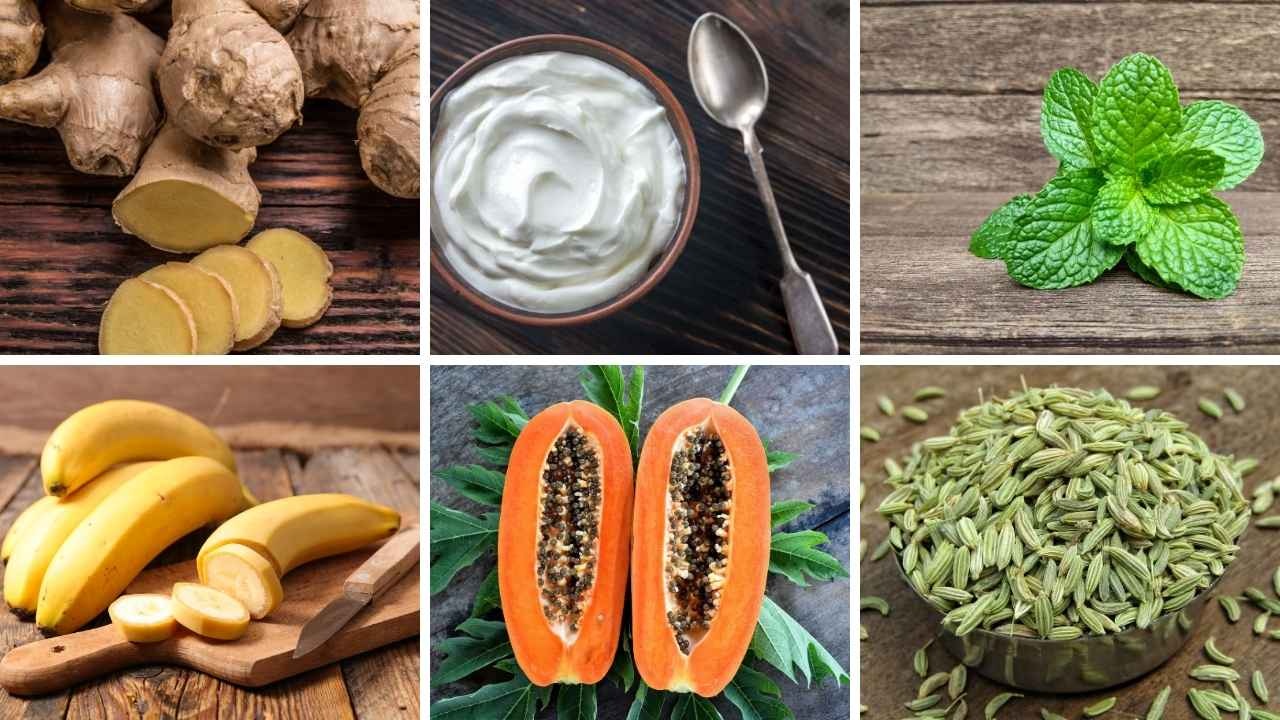
Combat Bloating: 6 Essential Foods for Digestive Relief
We've all experienced that uncomfortable feeling after a meal when our stomach feels distended or heavy. Instead of satisfaction, we often find ourselves regretting what we ate.
Bloating is a prevalent digestive concern, frequently triggered by eating quickly, overeating, or consuming hard-to-digest foods. While it’s generally not a serious issue, it can leave you feeling fatigued and sluggish.
The good news? You can often find relief without turning to medication. Certain natural foods can assist in alleviating bloating, enhancing digestion, and restoring comfort.
Here are six gut-friendly foods that can help calm your stomach and minimize bloating.
1. Ginger – Nature's Stomach Calmer
For centuries, ginger has been esteemed for its ability to soothe stomach issues. Packed with gingerol and shogaol, it relaxes digestive muscles, alleviates gas, and promotes better digestion.
A warm cup of ginger tea after meals can swiftly quell discomfort, minimize bloating, and provide relief from nausea.
How to use it:
-
Enjoy fresh ginger tea after lunch or dinner.
-
Incorporate grated ginger into soups, curries, or smoothies for added flavor and digestive benefits.
Pro Tip:
Combine half a teaspoon of grated ginger with honey in warm water for a gentle, soothing drink.
2. Yogurt – Your Digestive Ally
Yogurt is a powerhouse for your digestive system. It’s loaded with probiotics or “good bacteria” that maintain gut health, aiding digestion, reducing gas, and preventing bloating.
What to choose:
Opt for plain, unsweetened yogurt that contains “live and active cultures.” Steer clear of sugary or flavored varieties that can exacerbate bloating.
How to use it:
Note:
If dairy isn’t your friend, consider plant-based yogurts made from almond or coconut milk, as they are often easier to digest.
3. Peppermint – Cooling Comfort for Your Stomach
Peppermint is more than a refreshing flavor; it's also effective for reducing gas and bloating. The oils in peppermint help relax digestive tract muscles, allowing trapped gas to escape more easily.
How to use it:
-
Savor a cup of peppermint tea after meals.
-
Consider sugar-free peppermint candies for a sweet, soothing finish.
Peppermint oil can be beneficial for those with mild indigestion and irritable bowel syndrome (IBS), making it an excellent home remedy.
4. Bananas – Gentle Potassium Powerhouse
Not only are bananas nutritious, but they also effectively relieve bloating. Rich in potassium, they help balance sodium levels, reducing water retention—a prevalent cause of bloating.
Additionally, bananas are high in fiber, promoting smooth digestion and alleviating constipation.
How to use it:
Tip:
Always opt for ripe bananas, as unripe ones can be harder to digest and sometimes increase gas.
5. Papaya – The Tropical Digestion Aid
Papaya is often dubbed the “after-meal fruit” due to its natural enzyme, papain, which aids in breaking down proteins and boosting digestion.
Regular consumption can prevent gas, bloating, and that dreaded heavy sensation post-meal.
How to use it:
Papaya is gentle and ideal for those with slower digestion.
6. Fennel Seeds – A Natural Stomach Soother
Fennel seeds, known as saunf, are a simple yet effective remedy for bloating. They contain anethole, which relaxes stomach muscles and alleviates gas buildup.
This is why many enjoy chewing fennel seeds after meals—not only do they freshen breath, but they also aid digestion.
How to use it:
This age-old remedy can provide relief in minutes and helps prevent bloating when used regularly.
Additional Tips to Avoid Bloating
Incorporating these foods into your diet is beneficial, but a few lifestyle shifts can significantly help:
-
Slow down and thoroughly chew your food to prevent swallowing air.
-
Stay clear of fizzy or carbonated beverages that introduce gas.
-
Sit up for at least 30 minutes after eating.
-
Avoid overeating—smaller portions are easier on the stomach.
-
Take leisurely strolls post-meals to aid digestively.
When to Consult a Medical Professional
Bloating is common, but should it occur frequently or become painful, consulting a doctor is advisable.
Seek medical insight if you:
-
Experience bloating after every meal.
-
Endure persistent stomach pain.
-
Encounter bloating lasting several days.
-
Have unexplained weight loss.
These symptoms could indicate food intolerance, IBS, or other digestive issues requiring attention.
Quick Reference Table
| Food |
Why It Helps |
How to Use It |
| Ginger |
Alleviates gas and supports digestion |
As tea or with meals |
| Yogurt |
Maintains gut flora |
Post-meal or in smoothies |
| Peppermint |
Calms stomach muscles |
Tea or sugar-free candy |
| Bananas |
Decreases water retention |
Ripe banana snack |
| Papaya |
Aids in food breakdown |
Fresh slices or blended |
| Fennel Seeds |
Soothes gas and bloating |
Chew or brew as tea |
Bloating can be bothersome, but it's manageable with straightforward dietary choices.
Foods like ginger, yogurt, peppermint, bananas, papaya, and fennel seeds can bring comfort to your stomach.
Your gut health directly impacts your well-being, so nurture it by eating mindfully, staying hydrated, and choosing foods that enhance digestion. With minor adjustments, you can relieve bloating and thoroughly enjoy your meals once more—both comfortably and confidently.
Disclaimer
This article is meant for general awareness and should not replace professional medical advice, diagnosis, or treatment. If digestive discomfort or bloating persists or worsens, consult a qualified healthcare provider. Since every individual’s body responds uniquely, personalized medical guidance is always the best course. The author bears no responsibility for self-treatment decisions made based on the content herein.