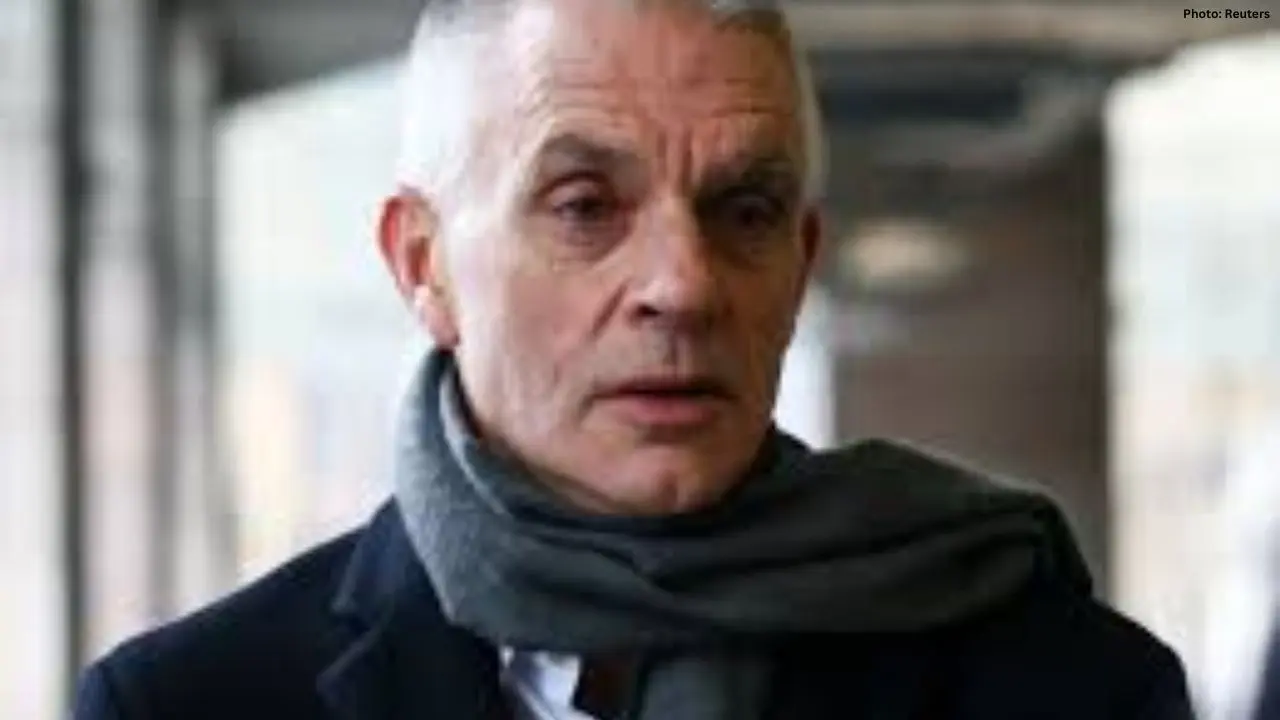
Tim Davie, who recently stepped down as Director-General of the BBC, has issued a stark warning that the British public broadcaster faces “profound jeopardy” unless it reforms the way it is funded and governed. The BBC’s traditional licence fee model, which is paid by households to support universal public broadcasting, has been eroded by inflation and rising non-payment, placing sustained pressure on the organisation’s finances.
Dawie, who led the BBC for five years before resigning in November 2025 amid controversies over editorial decisions and accusations of bias, said that continuing unchanged funding arrangements could threaten the broadcaster’s relevance and sustainability into the future. He called for a progressive funding overhaul that might adjust contributions based on households’ ability to pay, potentially integrating a levy collected through systems such as local taxes. However, he rejected proposals to fund the BBC through advertising or subscription models, arguing such shifts would undermine its universal service mission.
The context for Davie’s warning includes heightened scrutiny of the BBC following a leaked internal memo that criticised editorial decisions — most notably the editing of a Panorama documentary episode about former U.S. President Donald Trump’s January 6 speech, which was interpreted by critics as misleading. That controversy, which became political heated and drew threats of legal action, contributed to his decision to leave alongside Deborah Turness, then CEO of BBC News. Davie emphasised the need for greater independence, suggesting that attacks on the BBC had been “weaponised” by critics and political opponents.
As the BBC approaches negotiations over its next royal charter, set to expire in 2027, Davie has called on audiences and stakeholders to support reforms that protect the broadcaster’s core mission. He argued that without regulatory flexibility and financial stability, the BBC could struggle to compete in a media environment increasingly dominated by digital platforms and global streaming services.
The broadcaster’s future is also shaped by ongoing debates in the UK about media impartiality, funding mechanisms and the role of public service media in a rapidly changing information landscape. With its licence fee revenues under strain, and political tensions around news coverage continuing to simmer, the BBC’s next leadership and funding structure will be central to how it navigates these challenges.