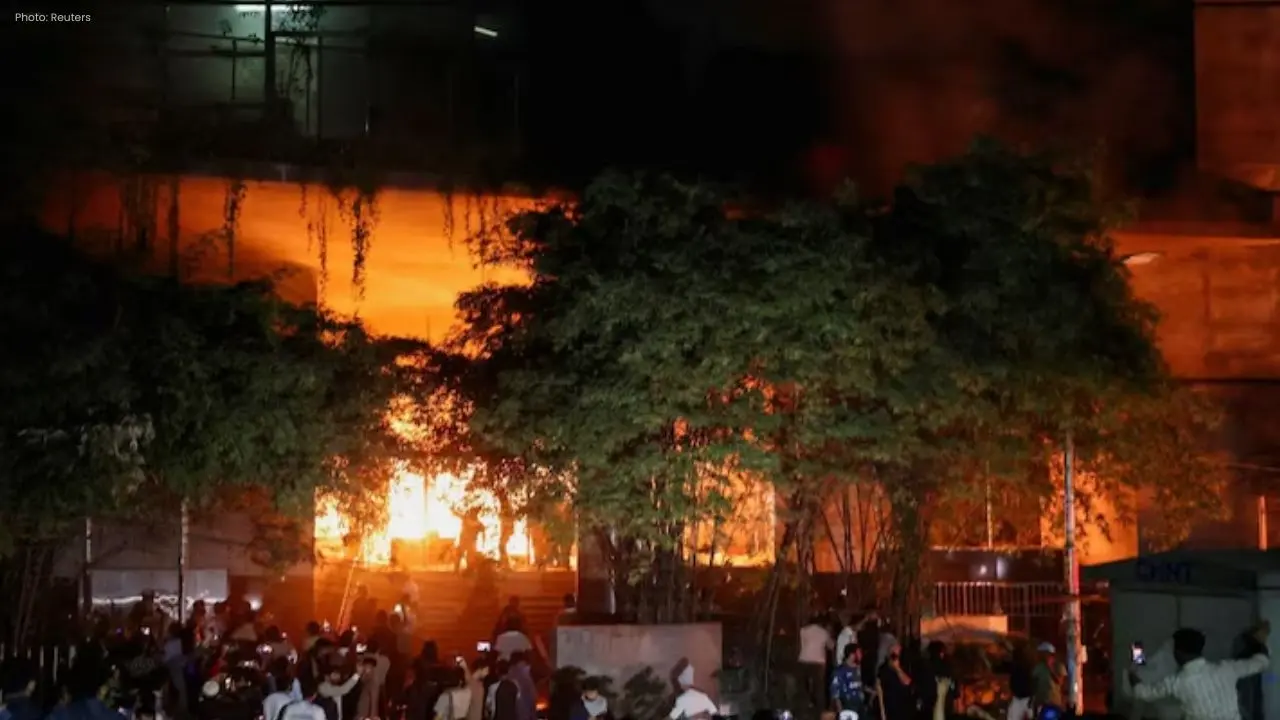
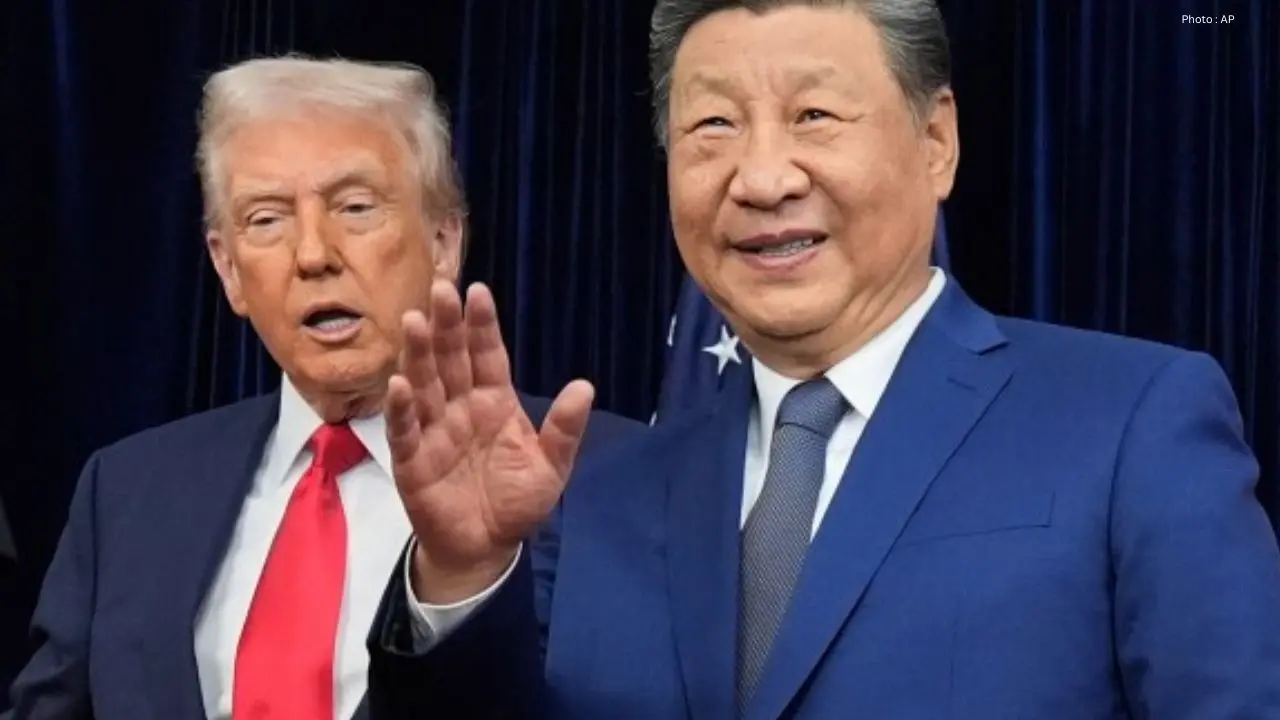
Recent intelligence reports and regional analyses underscore concerns about Pakistan's Inter-Services Intelligence (ISI) reportedly stoking anti-India emotions in light of Bangladesh's current political turbulence and violence.
Sources in Dhaka indicate that a synchronized narrative is emerging from certain elements of the Pakistani media landscape and specific political personalities. Unverified accusations against India's Research and Analysis Wing (RAW) regarding the murder of Bangladeshi student leader Sharif Osman Hadi have erupted, even though local authorities maintain that the case is still being investigated and motives remain ambiguous.
Officials from India classify these claims as strategically timed disinformation. They assert that the intention is to depict Bangladesh's internal strife as a crisis entangled with external influences, particularly implicating India. Notably, India is the only nation being blamed for the upheaval in Bangladesh.
The rhetoric escalated following a viral video message from Kamran Sayeed Usmani, a leader from the ruling Pakistan Muslim League-Nawaz (PML-N), who accused India of instigating instability in Bangladesh and made alarming threats, including missile references. Security analysts criticized these comments as reckless and incendiary, warning that such statements are crafted to sustain tensions instead of fostering dialogue.
According to intelligence insights, there’s a discernible trend in this narrative. By placing blame on India, the ISI and affiliates aim to internationalize Bangladesh's domestic issues, shifting focus away from internal political strategies. Officials assert this unrest is deeply rooted in Pakistan's clandestine operations aimed at undermining former Prime Minister Sheikh Hasina and boosting Jamaat-e-Islami's influence.
Observers note that Jamaat-e-Islami has long been considered aligned with ISI objectives, a view endorsed by numerous regional and international entities. The global community is reportedly aware of these associations and has not lent credence to accusations against India.
Historical narratives play a critical role as well. Analysts emphasize that Pakistan has yet to fully reconcile with the outcome of the 1971 war that birthed Bangladesh. Current efforts to foster an anti-India narrative are partly linked to a desire to revisit historical grievances and sway Bangladeshi public sentiment against New Delhi through misinformation.
However, internal political dynamics in Bangladesh are shifting. The Bangladesh National Party (BNP), once conducive to Jamaat-e-Islami, has distanced itself from both Jamaat and alleged ISI ties. BNP leaders have indicated a renewed focus on development and stability, steering clear of ideological extremism, which has resonated positively with some voters.
BNP's commitment to independent electoral participation is reportedly causing concern among Jamaat and its supporters. With the Awami League barred, various projections suggest the BNP has a formidable opportunity to claim victory in the upcoming February 2026 elections.
The party's outlook may also benefit from public empathy for its ailing leader, former Prime Minister Khaleda Zia, and the anticipated return of her son, Tarique Rahman, from 17 years abroad, which is viewed as a morale booster.
Security agencies indicate that these developments heighten anxiety among groups linked to Jamaat. Intelligence suggests efforts are underway to incite violence aimed at suppressing voter turnout. These factions are allegedly attempting to influence electoral results by discouraging citizens from casting their votes.
While international demands for timely elections are escalating, significant doubts linger regarding their impartiality. There is growing apprehension that either a minor postponement or a fiercely contested election is on the horizon.
Officials assert that beyond direct electoral influence, the propagation of anti-India narratives serves as a strategic maneuver to deflect attention from Bangladesh's internal political conflicts. As global scrutiny amplifies, they believe such endeavors might ultimately backfire, although caution that the forthcoming months may remain tumultuous.