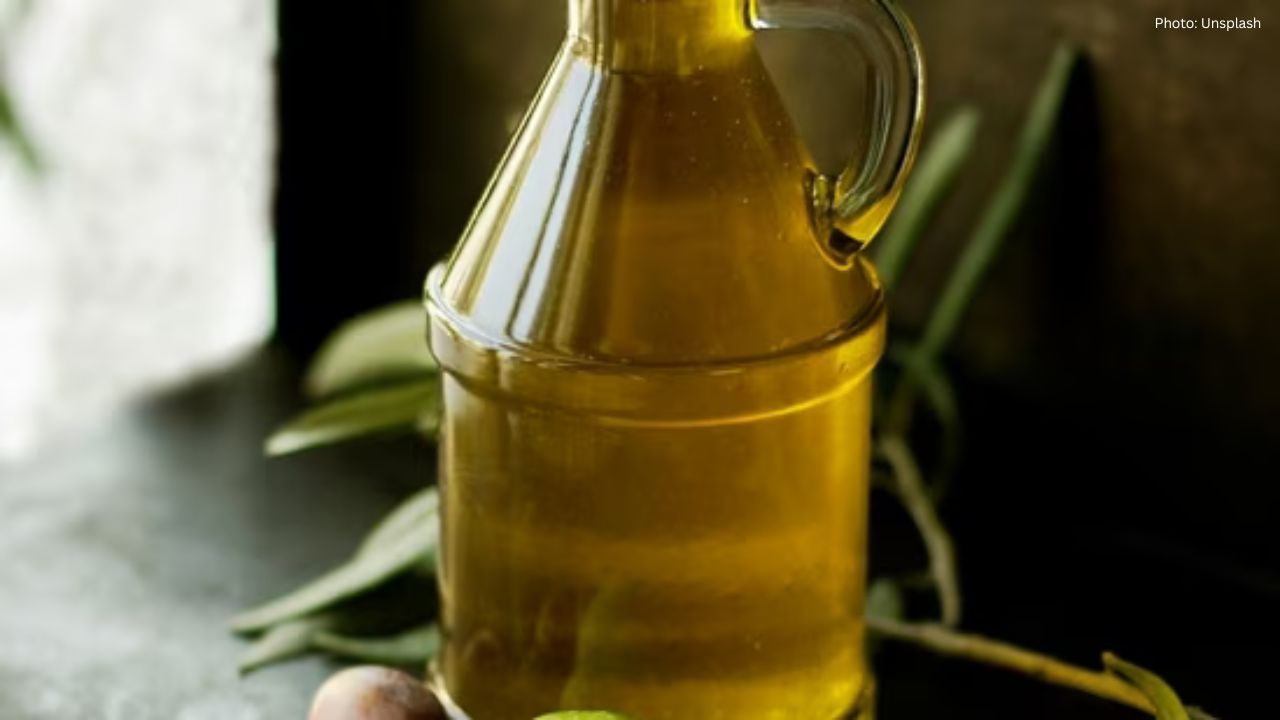
Incorporating healthy fats is crucial for a well-rounded diet. Among the options available, avocado oil and olive oil have become favorites due to their heart-friendly attributes and distinct flavors. Both are loaded with antioxidants and rich in monounsaturated fats that promote overall wellbeing. But which one should you opt for? Here’s a closer look.
Benefits of Olive Oil
Renowned for its taste and health advantages, olive oil consists of over 60% monounsaturated fats, primarily oleic acid, known for lowering heart disease and high blood pressure risks. Additionally, oleic acid supports gut health, eases ulcers, and aids digestion.
This oil is also abundant in bioactive compounds, including carotenoids, chlorophyll, phenolic compounds, and phytosterols. These antioxidants work to combat diseases and help manage blood pressure. Tocopherols, akin to vitamin E, enhance its health benefits further.
Drawbacks of Olive Oil
Even with its numerous benefits, olive oil still contains approximately 120 calories per tablespoon, necessitating careful consumption. Its smoke point hovers around 375°F, making it less than ideal for high-heat cooking methods, like deep-frying, due to the potential release of harmful compounds when overheated. Moreover, while rich in monounsaturated fats, it lacks omega-3 fatty acids.
Benefits of Avocado Oil
Avocado oil features a fatty acid composition similar to olive oil, boasting over 60% monounsaturated fats and a considerable amount of oleic acid. Its high smoke point allows it to excel in high-temperature cooking, such as stir-frying or sautéing.
This oil is also a source of phytosterols like β-sitosterol, which can exhibit anti-inflammatory and anti-cancer properties. With the added presence of carotenoids and chlorophyll, avocado oil provides substantial antioxidant benefits and maintains stability during cooking. Cold-pressed variations preserve nutrients without synthetic additives, establishing it as a healthy option.
Drawbacks of Avocado Oil
Similar to olive oil, avocado oil also presents a calorie count of about 120 per tablespoon. While low in omega-3 fatty acids, it remains rich in monounsaturated fats. Thus, moderation is key to prevent excessive calorie consumption.
Choosing the Right Oil
Both olive and avocado oils serve as excellent sources of healthy fats and antioxidants. Olive oil shines in salads, dips, and low-heat cooking, providing a rich taste and established health advantages. Conversely, avocado oil, with its higher smoke point, is more suitable for higher-heat applications, like sautéing vegetables or pan-frying.
Your choice ultimately depends on your preferred cooking techniques and nutritional goals. Smart use of these oils can enhance heart health, offer antioxidants, and impart delightful flavors to meals.
Transitioning to healthier fats is a straightforward move toward improved health. Whether you prefer avocado or olive oil, selecting the appropriate oil for your cooking needs ensures both taste and health benefits are achieved.