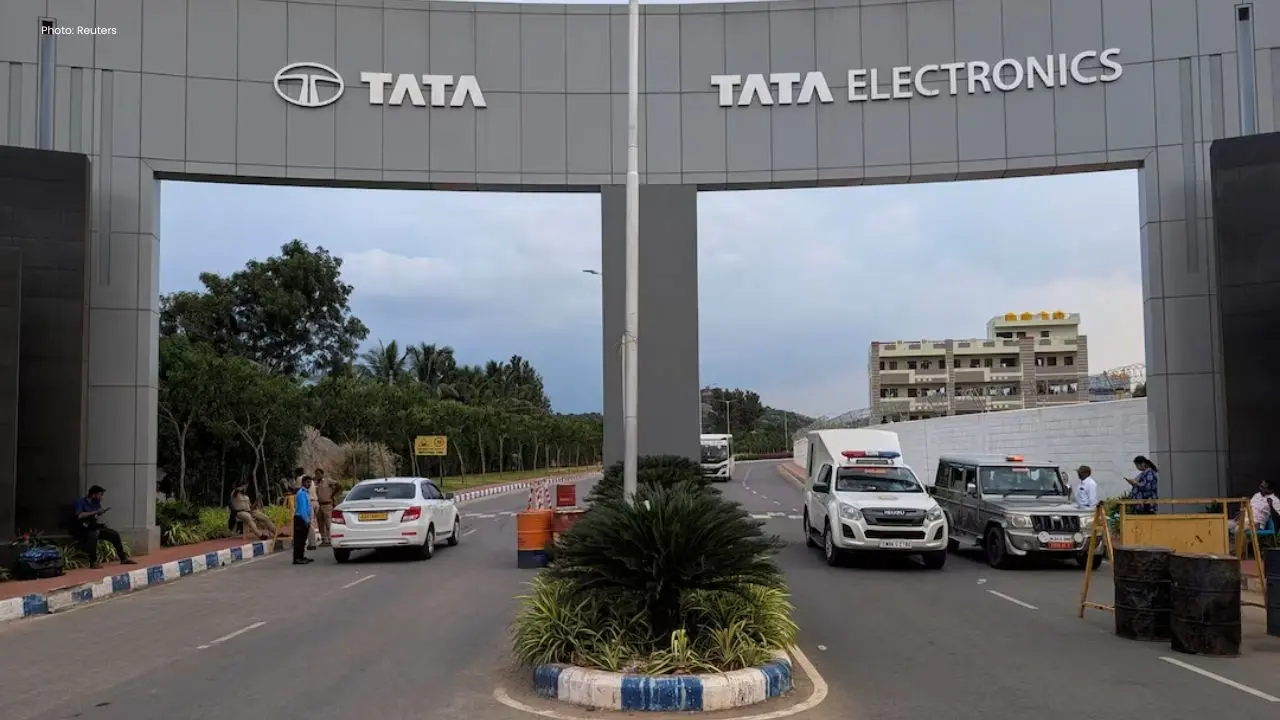
In a significant move, the Assam government has paused the land survey activities for a proposed satellite township adjacent to the Tata semiconductor facility in Morigaon district. This decision follows protests from local tribal communities, especially the Tiwa and Bodo groups, who voiced their concerns regarding potential displacement and the risk to their land rights.
The township was intended to be part of the rehabilitation scheme associated with the ambitious semiconductor project situated in Jagiroad. Despite widespread support for the semiconductor plant, touted to bolster industrial growth and job creation in Assam, worries have mounted about its repercussions on tribal villages nearby.
Morigaon District Commissioner Anamika Tewari issued an official order halting all land survey endeavors tied to the rehabilitation efforts immediately. The administration stated that the decision was taken in response to significant opposition from local groups and residents.
Land surveys had already commenced in Sindhisar and Naladhara villages located within the Gobha Tribal Belt, where residents fear that the establishment of the township could trigger forced relocations, jeopardize their ancestral properties, and undermine the protections afforded to tribes under Assam’s land laws.
Demonstrations led by various tribal organizations, including the All Tiwa Students’ Union, have called for the full cancellation of the satellite township project. Protesters have strongly argued against displacing communities living on protected lands in the name of industrial progress and have urged the government to seek local consent before proceeding.
This situation arises at a pivotal moment for Assam's industrial aspirations. The Tata semiconductor plant at Jagiroad is heralded as a game-changing investment for Northeast India and a vital part of India’s semiconductor manufacturing strategy. Once operational, the facility is anticipated to generate nearly 48 million semiconductor chips daily.
Political analysts suggest that the government now faces the delicate task of reconciling industrial growth with tribal rights and community concerns. Experts believe that while the project holds promise for transforming Assam’s economy, it will hinge on open dialogue, equitable relocation strategies, and safeguarding of indigenous peoples’ interests.
Furthermore, land-related disputes continue to pose significant challenges for infrastructure and industrial initiatives throughout India. The Assam government is anticipated to conduct further discussions with tribal representatives to determine the trajectory of the satellite township initiative.