The New Era of Climate Extremes
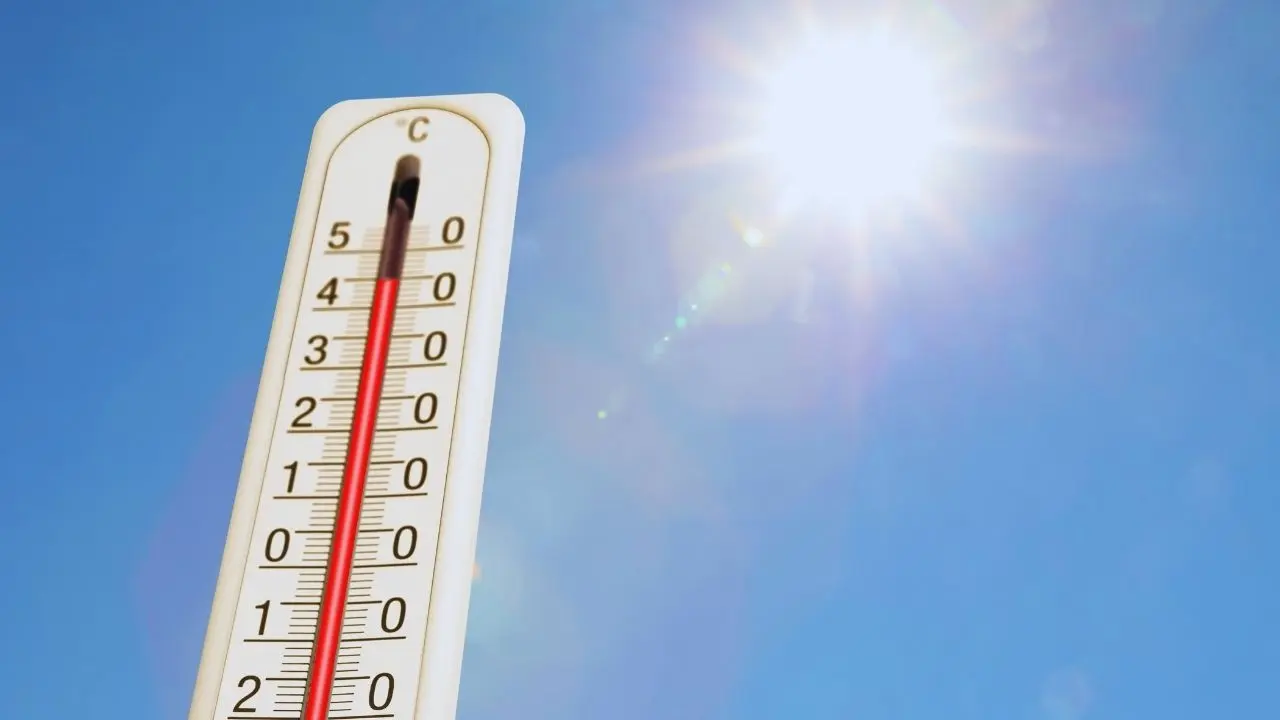
Summer used to arrive with a gentle touch, now it storms in with oppressive heat. Monsoons that once revitalized cities now flood them. Winters that provided cool air now suffocate us with pollution.
What was once predictable has turned to chaos.
In cities throughout India, discussions around climate change have surged. Heavy rains turn streets into rivers, hospitals overflow during scorching heat spells, and the demand for electricity skyrockets as air conditioning units battle rising temperatures. Water tankers have replaced regular pipelines, school schedules are altered, and working hours are adjusted. Our lives are dictated by the weather, rather than our plans.
This urgency prompts a critical question: Are Indian cities proactively preparing for climate realities, or merely responding after disasters strike?
Urban India faces a pivotal moment where future sustainability depends on today's choices.
The Reality of Climate Change
Once viewed as a distant concern, climate change is now a pressing reality. The future has materialized.
Urban centers are the battlegrounds for climate change, revealing its effects daily. Rainfall is erratic, record-breaking temperatures are common, coastal areas are witnessing rising sea levels, and air quality deteriorates when winds decline.
Municipal infrastructure was never built for this altered landscape.
Drainage systems are designed for 'normal' rainfall.
Buildings expect 'average' heat.
Power grids assume stable demand.
Water systems depend on predictable rainfall.
Each of these systems rests on a foundation of stability, which nature is now undermining.
Urban Vulnerabilities
Cities in India are growing at a remarkable pace, outstripping the redesign needed to support them. As populations swell, construction booms, green spaces diminish, and water bodies dry up beneath concrete.
As a result, these urban areas have become:
-
Hotter
-
More flood-prone
-
Drier
-
Filthier
-
Less breathable
These urban environments retain heat due to their concrete and glass architecture, absorbing sunlight and releasing it slowly, which exacerbates heatwaves.
Unplanned constructions block natural waterways, choking rivers and filling wetlands. As a result, rainwater has nowhere to go.
When precipitation arrives, it doesn’t trickle away.
It floods.
Impacts of Poor Urban Planning
Cities prioritize efficiency over resilience, leading to:
-
Roads collapsing in storms
-
Power failures during heatwaves
-
Water shortages in times of drought
-
Buildings overheating
-
Slums situated on future flood zones
Climate respects no administrative boundaries.
Nature encroaches where planning fails.
Defining Climate Action Plans
These plans are intended to offer direction to cities in preparing for and mitigating climate impacts.
Ideally, they should encompass:
-
Strategies for managing floods
-
Measures for addressing heat
-
Systems for emergency response
-
Air quality control programs
-
Water conservation initiatives
-
Sustainable transport strategies
-
Development of green spaces
However, many such plans exist as mere documentation without real execution.
Exposing Vulnerabilities with Floods
Each monsoon season highlights how unprepared our cities remain.
Common failures include:
-
Overrun drainage systems
-
Blocked waterways
-
Road damage
-
Electrical outages
-
Sewage overflow
-
Flooded residences
The concern isn't solely about the amount of rainfall.
It reflects a failure in urban design.
Why Flooding is Commonplace
Rainwater lacks an outlet.
Urban concrete offers no absorption, lakes have disappeared, and natural waterways have shrunk.
Stormwater channels are:
Urban expansion outpaced infrastructure.
Comprehensive Flood Management
Effective flood control strategies should include:
-
Protecting wetland areas
-
Clearing river banks
-
Revamping drainage infrastructure
-
Implementing rainwater retention
-
Reintroducing green buffers
-
Enforcing sustainable zoning regulations
Without these comprehensive measures, future flooding is unavoidable.
Flooding isn't a luck of the draw.
It’s often a result of poor design.
The Hidden Dangers of Heatwaves
Floods may damage property, but heatwaves claim lives.
Unlike storms, heat progresses quietly.
And so do its casualties.
In summer, cities across India witness dangerous temperature spikes. High humidity turns hot air into oppressive heat. Medical facilities start seeing increased admissions for dehydration, heatstroke, and severe health complications.
Vulnerable populations are hit hardest.
Those who:
-
Work outdoors
-
Reside in tin-roof housing
-
Live in overcrowded conditions
-
lack access to cooling amenities
are ironically the most affected.
Rising Urban Heat
Increasing urban temperatures stem from:
Heat accumulates rather than dissipates.
Cooling Solutions for Cities
Smart responses include:
-
Reflective roofing
-
Tree planting initiatives
-
Restoring existing lakes and ponds
-
Developing green passages
-
Designating cooling hubs
-
Installing cool roofs in vulnerable areas
-
Creating urban parks
-
Establishing communal water points
Some cities are already trying new methods.
However, the scale of adaptation needs to grow.
The Seasonal Water Crisis
In numerous cities, water shortages are no longer infrequent, but a regular occurrence.
Summer introduces tankers, monsoons bring contaminants, and winters assure scarcity.
Municipal water systems were implemented with the assumption of:
-
Consistent rainfall
-
Pristine rivers
-
Capped populations
-
Abundant groundwater
These presuppositions have all shifted.
Reasons Behind Urban Water Shortages
The causes are straightforward:
-
Lack of rainwater harvesting
-
Wetlands under threat
-
Overexploitation of groundwater
-
Polluted rivers
-
Leakage wasting precious resources
Water management has thus turned reactive.
Smart Water Resource Management
Effective water management encompasses:
Failure to implement these strategies will result in inevitable shortages.
The Grip of Air Pollution
The relationship between climate change and pollution is cyclical.
Winter inversion traps smog, while traffic and industry release contaminants.
Air cannot ascend; it stagnates.
Over cities, it permeates our lungs.
Health Implications of Pollution
Irregular weather leads to:
-
Stagnant air masses
-
Dust storms
-
Smoke build-up
-
Temperature inversions
Smog does not clear at twilight; it lingers.
Integrating Clean Air into Climate Planning
Air quality:
-
Elevates temperatures
-
Disrupts rain patterns
-
Affects light absorption
-
Permanently harms health
Cities cannot separate pollution from their climate strategies.
These are inextricably linked.
Assessing Climate Plan Effectiveness
Some cities have made strides by:
-
Issuing alerts for excessive heat
-
Setting up cooling centers
-
Advocating for electric public transport
-
Implementing rainwater harvesting solutions
-
Creating targeted flood-response maps
-
Enhancing urban tree cover
However, many others struggle with:
Plans do exist.
Implementing them can be a different journey.
The Reasons for Climate Planning Failures
The contributing factors are familiar:
Cities possess knowledge.
What they lack is urgency.
Real-World Effects of Policy Shortcomings
For many citizens, the failures in climate response manifest through:
-
Traffic chaos during heavy rains
-
Restless nights in sweltering heat
-
Dry taps at dawn
-
Emergency hospital visits
-
Debris floating in waters
-
Water contamination issues
A climate crisis is experienced, not theorized.
Can Innovative Tech Turn the Tide for Urban India?
While technology alone cannot mend existing planning flaws, it certainly provides support.
We see the incorporation of:
Nevertheless, technology without governance is futile.
Tools can facilitate solutions but cannot replace essential actions.
Encouraging Citizen Engagement
Survival in cities now demands active participation.
Residents should:
-
Advocate for green areas
-
Report unauthorized constructions
-
Defend water bodies
-
Engage in community planning
-
Practice water conservation
-
Reduce waste production
-
Hold public officials accountable
Resilience against climate challenges starts at the individual level.
Yet, it has to extend to local governance.
What the Coming Decade Holds
Urban resilience is a race against time.
In the next ten years, cities will have to choose:
The decisions made today will shape future comfort, safety, and existence for countless people.
Climate catastrophes are now foreseeable.
Only readiness remains uncertain.
In Conclusion: Cities Must Rise
Indian urban areas can still evolve.
But not through paperwork, announcements, or slow budgets.
They require:
Cities aren’t just structures; they embody communities.
And communities can't endure future conditions with outdated frameworks.
Adapting is not optional anymore.
It’s essential for survival.
DISCLAIMER
This article is for informational purposes only. It does not provide environmental, legal, or policy advice. Readers should consult experts or city officials for inquiries regarding climate planning or urban strategies.