In April 2026, China experienced notable growth in its services sector, propelled by increased domestic demand and higher business activities. Data from Beijing indicated that the country’s services purchasing managers’ index improved to 52.6, climbing from 52.1 in March, signifying ongoing expansion within the sector.
The index, compiled by S&P Global, remained above the crucial 50-point mark, which distinguishes economic growth from contraction. Analysts emphasize that these figures reflect resilience in China’s domestic services industry, even as external economic conditions linger in uncertainty.
However, other segments of the Chinese economy continue to confront challenges. Officials noted that the manufacturing sector, a primary contributor to exports, saw a slowdown in activity during April. Additionally, retail sales growth and industrial production faced declines, highlighting a cautious spending approach from consumers and businesses.
Economic analysts pointed out that producer prices in China have transitioned out of an extended deflationary phase. While rising prices may indicate enhanced demand in specific sectors, they are simultaneously exerting additional pressure on companies grappling with elevated operational costs and constrained pricing options amidst fierce competition.
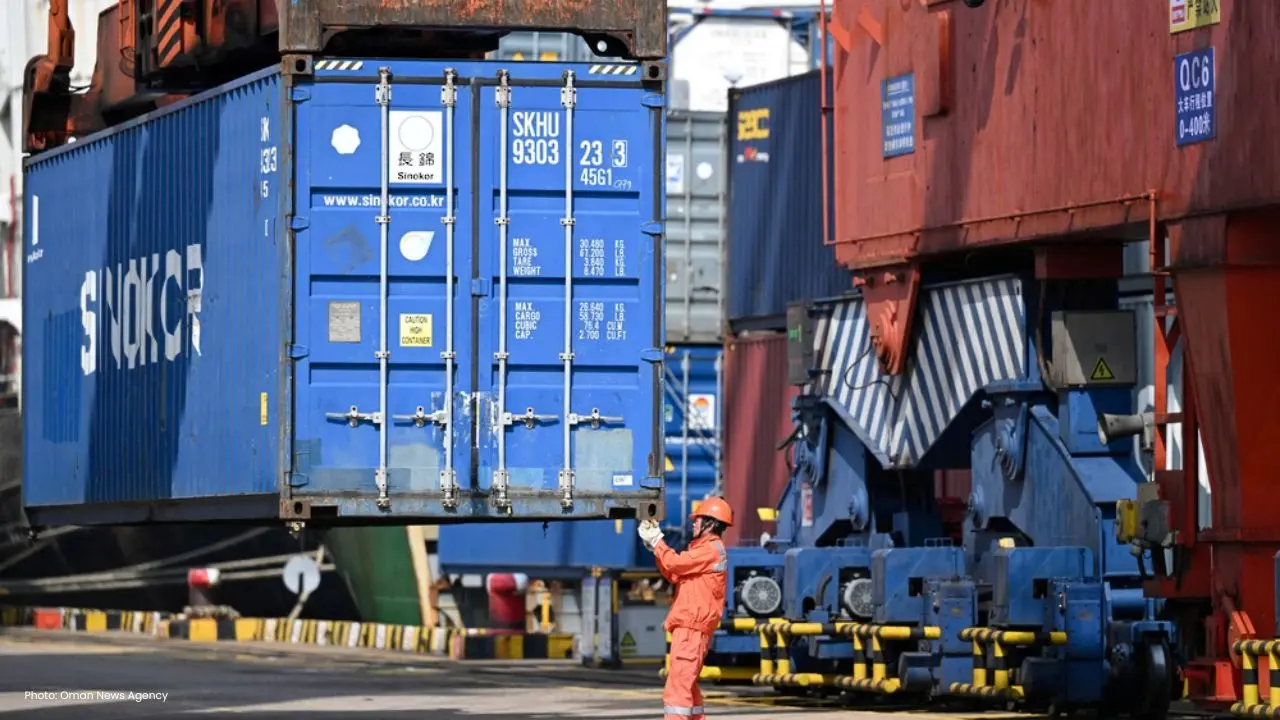
The ongoing Middle East conflict has augmented uncertainty regarding global trade and supply chains. Chinese firms have reported escalating shipping, fuel, and oil expenses linked to regional unrest. Economists caution that enduring geopolitical strife could adversely affect global demand and compress profit margins for businesses already contending with sluggish international markets.
Latest data shows an uptick in new business activities within China in April, spurred largely by domestic clientele. Nevertheless, export-linked businesses contracted for the second month running, although the reduction was relatively restrained compared to previous economic slowdowns.
Firms have also indicated the highest level of input cost inflation recorded in 2026 thus far. Companies attributed this spike primarily to increased transportation, logistics, and energy costs. Concurrently, many have once again lowered selling prices for the second consecutive month to entice customers and maintain competitiveness amid lackluster demand conditions.
Despite these hurdles, overall business confidence regarding economic activity in the upcoming year remains positive. Analysts suggest that companies are cautiously optimistic that a boost in domestic demand and supportive government policies could stabilize growth in the months ahead.
The broader composite output index, integrating both manufacturing and services, also saw improvement, rising to 53.1 in April from 51.5 in March. This figure comfortably surpasses the 50-point threshold, indicating that China’s overall economic activities continued on an upward trajectory despite global uncertainties and external market challenges.