High-ranking officials from the United States have indicated that one aspect of the effort to resolve the protracted conflict in Gaza could involve the disarmament of Hamas militants, along with a potential amnesty for those willing to relinquish their arms in support of peace efforts. This update comes as negotiations move towards the next phase of a ceasefire.
The Gaza conflict escalated following a tragic attack in October 2023, leading to enduring suffering and loss on both sides. A significant ceasefire was achieved, partly due to the release of many hostages and the return of deceased individuals to their families. Following this achievement, focus has shifted to more challenging issues like ensuring lasting peace and reconstructing Gaza.
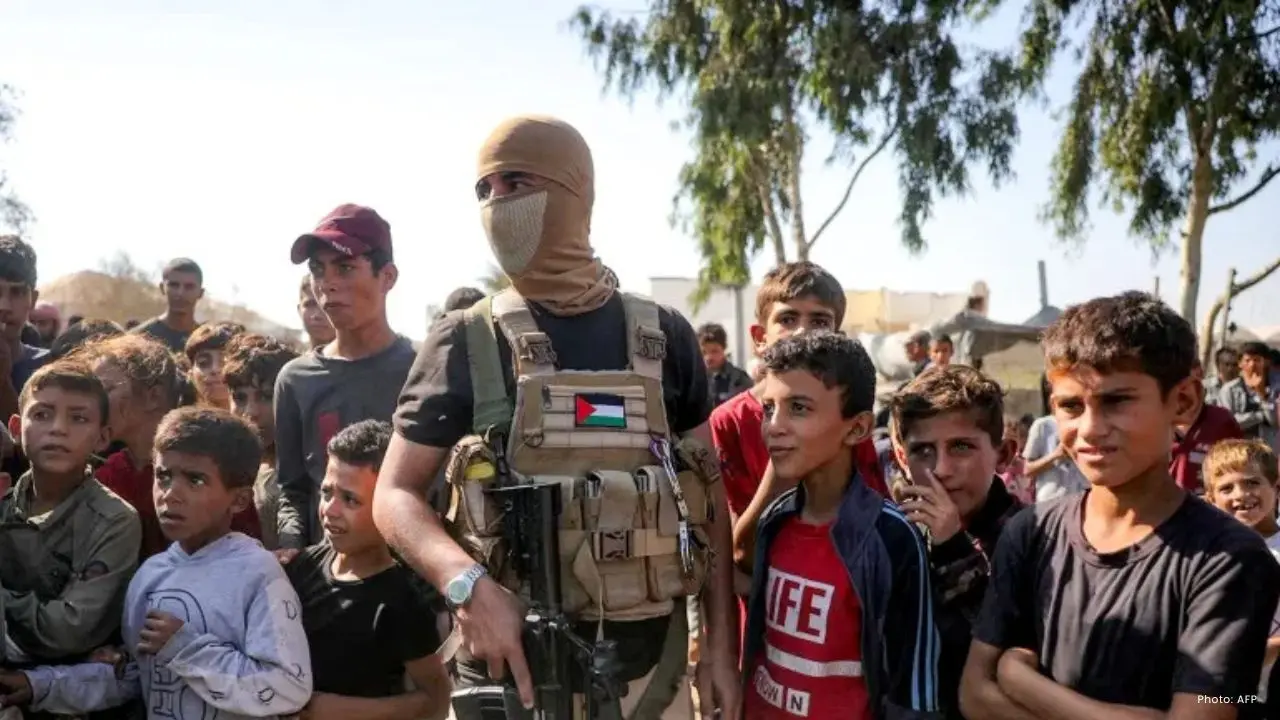
U.S. officials have highlighted that the subsequent phase of the ceasefire involves efforts to encourage Hamas to disarm. Here, disarmament signifies persuading militants to abandon heavy weaponry and cease military engagement. However, disarmament transcends mere weapons; it also entails fostering conditions that cultivate trust and minimize fear among all communities.
Officials have posited that offering some form of amnesty could play a crucial role in this process. In this context, amnesty would imply that fighters who decide to discontinue hostilities and support peace will not face repercussions for their actions during the conflict. This proposal aims to motivate individuals towards peace without the dread of legal ramifications and aid in transitioning from combat to a more stable future.
This notion of amnesty, however, is fraught with controversy. Many individuals have endured loss, displacement, and devastation due to the protracted violence in Gaza and Israel. For them, the proposition of amnesty might evoke pain or injustice. Conversely, others believe that if peace is to endure, some degree of forgiveness may be essential to persuade fighters to disarm and engage in a peaceful existence.
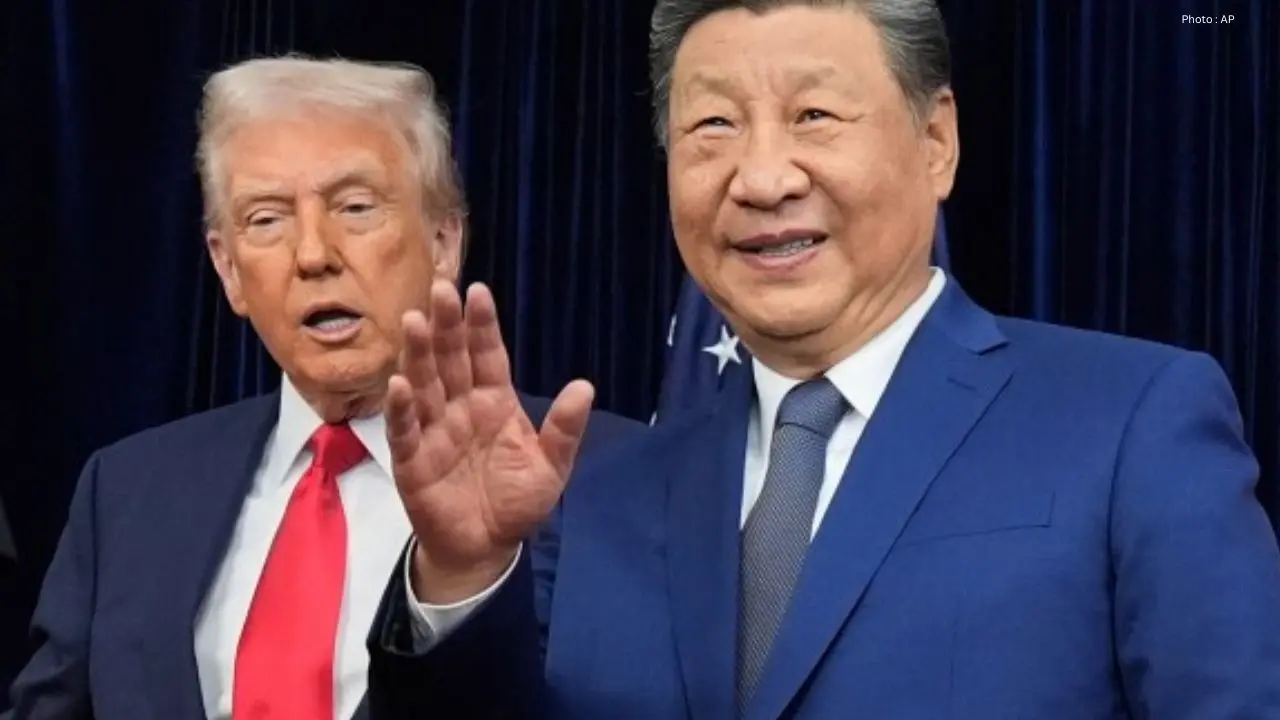
Both Israel and the United States have expressed a desire for a robust, enduring peace. Yet, it remains uncertain whether all political factions concur on the application of amnesty. Some Israeli figures have aired concerns regarding the potential for offering protections to those linked to previous violence. Others argue that lasting peace must encompass clear justice for victims alongside protection for civilians.
Amidst these discussions, many in Gaza are hopeful that the next steps of the ceasefire will alleviate hardships and provide opportunities to rebuild essential infrastructure such as homes, educational institutions, healthcare facilities, and employment pathways. Palestinians assert that any peace solution must also honor their rights and future aspirations.
Substantial progress will necessitate difficult conversations among diplomats, community leaders, and international stakeholders. The idea of merging disarmament with amnesty is but one of the myriad intricate issues we face. This matter must be approached with sensitivity to the societal pain and a commitment to sustainable peace and stability.
As negotiations evolve, global attention will be fixated on how leadership navigates the delicate balance between justice, forgiveness, and safety. Achieving lasting peace will be a formidable challenge, yet it remains a shared aspiration for those on both sides who have endured far too much.