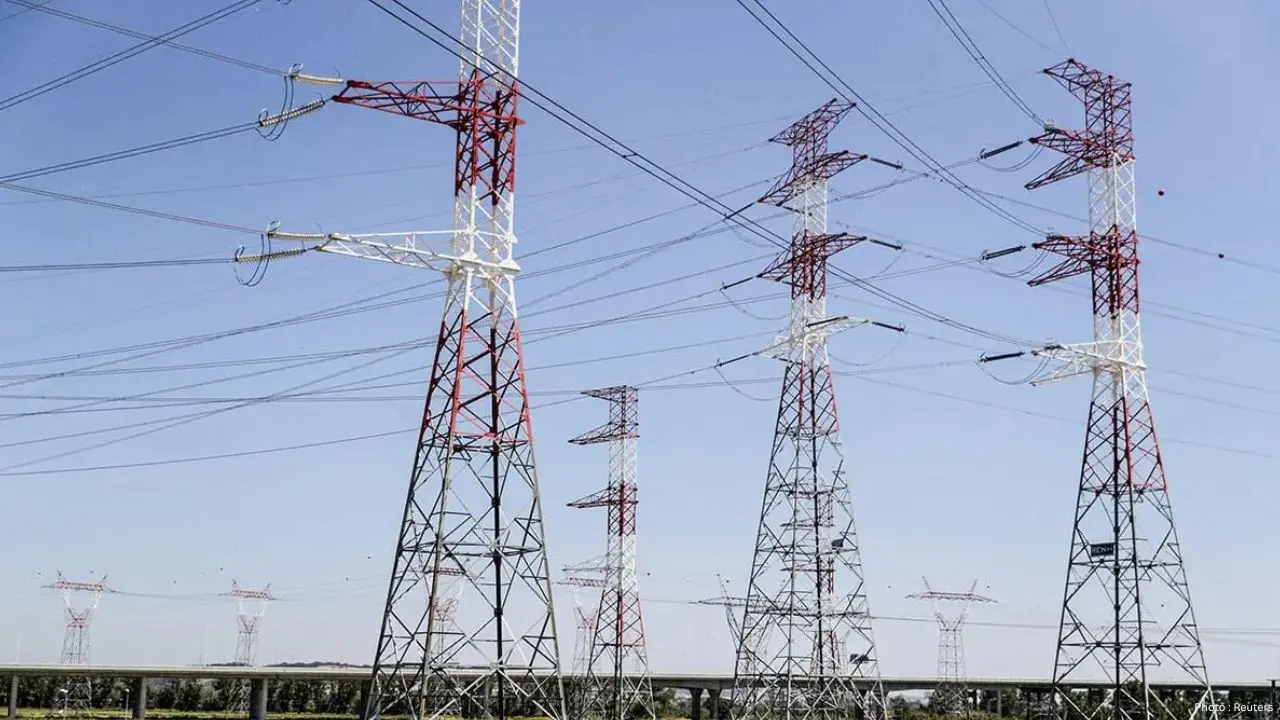
Algeria has confirmed its intention to supply electricity to Tunisia during the summer of 2026, as both countries aim to bolster regional energy cooperation and ensure grid stability amid high energy demand.
This announcement comes just before the summer peak when electricity usage in North Africa typically surges due to increased cooling demands in households and industries. Tunisian officials are set to depend on imported electricity to maintain a stable supply during these heightened demand periods.
Authorities from both nations described this agreement as part of their continual efforts to enhance economic collaboration and fortify regional infrastructure. The energy partnership between Algeria and Tunisia is becoming increasingly vital as several countries face mounting pressure on their domestic electricity systems.
Tunisia has faced ongoing challenges due to rising energy needs in recent years. The combination of warmer temperatures, expanding urban development, and pressure on public services has made reliable electricity imports crucial, particularly during the high-consumption summer months.
Algeria stands out as a key energy player in North Africa, equipped with substantial natural gas reserves and established export capacity. The nation continues to serve a central role in regional energy supply through its electricity exports, fuel agreements, and long-term infrastructure collaborations with neighboring countries.
This renewed commitment is also a testament to the robust diplomatic ties shared between Algiers and Tunis. Leaders from both sides have broadened their collaborative efforts across various sectors, including trade, transportation, border security, and economic development.
Energy analysts suggest that inter-country electricity support can mitigate potential shortages while fostering regional integration. A reliable power supply is crucial for key sectors such as manufacturing, tourism, healthcare, and transportation, all of which rely heavily on consistent electricity access.
This agreement might offer economic respite for Tunisia as it grapples with financial strains, inflation concerns, and increasing public demands for stable services. Ensuring a dependable electricity supply is vital for sustaining both its economic performance and daily life operations.
In light of climate challenges and population growth, regional governments are placing a greater emphasis on energy security. Rising temperatures in North Africa have compelled authorities to prepare well in advance for seasonal consumption spikes and potential supply deficits.
Numerous nations across the region are investing in renewable energy sources, enhancing transmission systems, and modernizing strategies to build long-lasting resilience in electricity supply. Analysts assert that future collaborative efforts among neighboring countries could lead to increased regional integration and improved emergency response capabilities during demanding periods.
This latest agreement underscores how energy diplomacy continues to influence political and economic dynamics across North Africa. The partnership between Algeria and Tunisia serves as a model for how regional alliances can bolster stability, economic synergy, and effective infrastructure planning during challenging times.
As summer 2026 draws nearer, both governments remain committed to ensuring steady electricity flow and alleviating stress from their national power systems. This ongoing collaboration highlights the growing necessity of regional partnership in overcoming future energy hurdles.