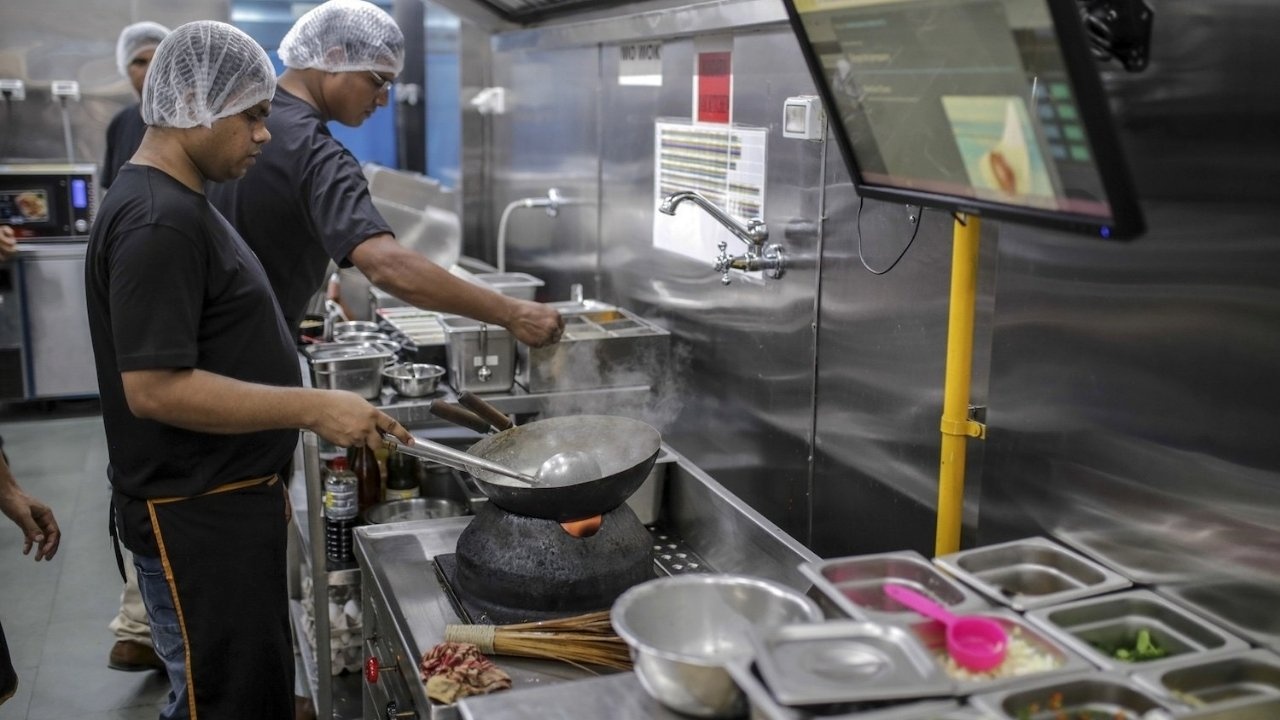
Cloud kitchens are transforming the dining landscape in India, extending their reach beyond urban centers into smaller cities and towns. This innovative delivery-only model caters to the demand for freshly prepared meals, speedy deliveries, and cost-effective pricing—which is now a hit among the rural populace.
This advancement marks a pivotal shift as consumers in non-metro regions embrace the ease of digital payment methods, food apps, and a broader range of culinary options. Entrepreneurs are also tapping into this trend, capitalizing on the reduced costs, better logistics, and rapidly increasing consumer demand in these areas.
This comprehensive article delves into the impact of cloud kitchens on affordable dining in minor cities in India, examining the factors driving their success, the experience for consumers, and the potential challenges ahead.
Understanding Cloud Kitchens
A cloud kitchen operates solely as a delivery service, lacking traditional dine-in facilities. These kitchens have no customer seating or waitstaff, streamlining their focus on food preparation and timely delivery via food apps or direct orders.
By running from smaller spaces and minimizing front-of-house expenses, cloud kitchens are able to keep operational costs low, making them a financially appealing option for kitchen operators while providing affordable options for customers.
The Rise of Cloud Kitchens in Smaller Cities
Initially thriving in metropolitan areas, cloud kitchens are now rapidly expanding into Tier-2 and Tier-3 cities for various compelling reasons.
Reduced Real Estate and Labor Costs
Real estate, utilities, and labor costs in smaller towns are significantly lower. A cloud kitchen that would be expensive in a metro can thrive in a provincial locality at a fraction of the cost, allowing operators to maintain lower menu prices.
Limited Dining Choices & Evolving Delivery Culture
Less variety in dine-in options in small cities—combined with expanding internet access and the emergence of food-delivery platforms—has made residents more receptive to ordering home-cooked meals, creating a solid market for cloud kitchens.
Growing Customer Demand
Smaller markets lack saturation from multiple restaurants and brands, enabling cloud kitchens to establish a loyal customer base quickly without excessive marketing efforts.
Shifting Consumer Expectations
As awareness of global cuisine rises, customers in smaller cities are looking for more than their local dishes. Cloud kitchens can easily adapt their menus to meet this growing demand, requiring less initial investment.
Affordability Through Cloud Kitchens
The structure of cloud kitchens allows them to maintain pricing that's appealing to budget-conscious families.
Lower Overheads Mean Lower Prices
With no seating arrangements, decor, or waitstaff, cloud kitchens can drastically reduce their fixed costs. Operating with lean teams and smaller spaces allows for competitive meal pricing.
Streamlined Delivery Processes
A lighter traffic situation in smaller cities leads to quicker delivery times and lowered operational expenses, with savings typically passed on to customers in the form of affordable delivery charges or special offers.
Diverse Offerings From a Single Kitchen
A single cloud kitchen can operate multiple virtual brands—serving a range of cuisines such as biryani, Chinese, snacks, and healthy options—utilizing the same staff and infrastructure, thus diversifying customer choices without needing additional locations.
Increasing Acceptance of Meal Orders
As food ordering becomes a routine, increased order volumes enhance the stability of kitchen operations, making meals increasingly affordable.
Using Local Ingredients for Cost-Effective Meals
Cloud kitchens benefit from utilizing local produce at favorable prices, keeping ingredient costs consistent and manageable, which invariably influences their pricing strategy.
Market Trends Overview
The cloud kitchen segment in India has seen steady growth, particularly in Tier-2 and Tier-3 cities, spurred by cost advantages and a rich target audience. Cities like Jaipur, Guwahati, Coimbatore, Ludhiana, and Raipur are witnessing a surge in delivery-oriented kitchens, often outperforming those in metropolitan areas due to reduced competition and rising demand.
Cloud Kitchen Appeal for Smaller City Consumers
The benefits to consumers are growing clearer:
Home-Cooked Quality Meals
Cloud kitchens provide a variety of meals—North Indian, Chinese, biryani, and health-focused bowls—without the need to leave home or pay for unnecessary dining experiences.
Family-Friendly Convenience
Households often prefer to order food during busy periods, holidays, or when seeking a break from cooking. Shorter delivery periods enhance this convenience.
Affordable Variety
Thanks to reduced operational costs, cloud kitchens are able to deliver value meals, combo offers, and generous portion sizes that fall within everyday budgets.
Support for Local Economies
Cloud kitchens create jobs at local levels, providing roles for cooks, packers, delivery personnel, and establishing a symbiotic relationship with produce suppliers to foster a micro-economy surrounding food delivery.
Transparent Pricing Structures
Users can easily compare costs, portion sizes, and reviews across various cloud kitchens, a competitive environment that benefits consumers by keeping prices in check.
The Business Incentives of Smaller Cities
From an entrepreneurial view, smaller cities present unique advantages.
Lower Initial Investment
Setting up a cloud kitchen demands less financial commitment. Thus, local entrepreneurs, home chefs, and small business owners can expand into the delivery area without the burden of hefty financial risks.
Rapid Market Entry
With fewer established cloud brands in smaller cities, newcomers can easily differentiate themselves. Effective word-of-mouth can circulate quickly, facilitating faster growth.
Flexible Menus
Operators possess the ability to experiment with new dishes, test multiple offerings, and tailor recipes to appeal to regional preferences. Unlike traditional restaurants, changes in cloud kitchens do not incur substantial costs.
Support from Delivery Apps
Aggressive expansion by food delivery platforms enhances visibility for small-city cloud kitchens, helping them reach a broader audience than they could independently.
Challenges Facing Cloud Kitchens
While promising, the cloud-kitchen model also comes with its own set of challenges.
Reliance on Delivery Platforms
High commissions and dependence on algorithm-driven visibility can limit profit margins and customer relationship control.
Building Trust with No Physical Presence
Trust needs to be cultivated through the perception of quality packaging, reliable hygiene practices, consistent flavors, and positive feedback.
Logistical Management
Even in smaller cities, factors such as peak-hour traffic and limited delivery personnel can affect delivery efficiency.
Localizing Menus
Proper localization of menus—spice levels, portion sizes, and pricing—must align with local consumer preferences.
Risk of Oversaturation
Should too many kitchens launch within close succession, the market may tip towards diminishing prices and threaten sustainability, similar to earlier trends in metros.
Looking Ahead
Several trends are expected to chart the course for cloud-kitchen growth in smaller locales:
-
Expansion of multi-brand cloud kitchens with diverse menus.
-
Development of in-house ordering platforms and loyalty schemes to lessen reliance on aggregator services.
-
Accelerated delivery through satellite kitchens situated within residential neighborhoods.
-
Broader utilization of environmentally-friendly packaging as consumer interests evolve.
-
Increased focus on regional specialties and local ingredients.
These shifts signify that cloud kitchens are far from being transitional models; they are becoming vital contributors to the local food environment.
Shaping Food Culture in Smaller Cities
In smaller towns, cloud kitchens are redefining eating habits:
-
Food ordering evolves into a regular activity rather than an occasional indulgence.
-
Consumers gain access to a spectrum of cuisines that were previously unavailable.
-
Many families savor the convenience of enjoying restaurant-quality meals within their homes.
-
Local chefs find unprecedented opportunities to display their culinary skills.
-
Younger patrons increasingly experiment with diverse tastes, cuisines, and serving styles.
This dynamic transformation is revolutionizing food culture in smaller cities, making it more inclusive and vibrant.
Defining Affordable Dining
Affordable dining through cloud kitchens encompasses:
-
Meals priced comparably or cheaper than traditional restaurants.
-
Minimal delivery fees within the specified radius.
-
Consistent food quality and sanitary packaging.
-
A variety of economical combo and individual meal options.
Since cloud kitchens minimize expenses, they can uphold this affordability without sacrificing quality.
Guide for Consumers in Smaller Cities
When selecting a meal from a cloud kitchen, consumers should consider the following checklist:
-
Speed and precision of delivery.
-
Pricing comparison with nearby dining establishments.
-
Quality of packaging alongside hygiene standards.
-
Analysis of customer feedback and consistency.
-
Feasibility of delivery radius to minimize extra costs.
-
Value combos that offer satisfying portions.
Final Thoughts
Cloud kitchens have transitioned from being a convenience in metropolitan regions to a significant factor altering dining patterns in smaller Indian cities, offering value, selection, and reliability. They function effectively by structuring their operations to reduce unnecessary costs while catering to the increasing demand for quick and diverse meal options.
For customers, these kitchens provide convenience and variety. For entrepreneurs, they present a lower-risk entry into the food industry. For local communities, they contribute to job creation, culinary innovation, and a modern food culture.
As consumer habits shift and technology better interweaves into our lives, cloud kitchens are set to become indispensable in reshaping the smaller city food landscape.