This week, high-level discussions took place in Abu Dhabi between representatives from Ukraine, Russia, and the United States, all aimed at finding resolutions to the ongoing Ukrainian conflict, which has now persisted for close to four years. The focus of the discussions was primarily on the eastern Donbas region of Ukraine, a crucial issue in the ongoing peace negotiations.
Ukrainian President Volodymyr Zelenskyy emphasized that the situation in Donbas would be a pivotal aspect of the discussions. The United Arab Emirates described these meetings as essential for fostering dialogue and uncovering political solutions amid the war. The White House characterized the discussions as “productive,” but also acknowledged that significant hurdles remain.
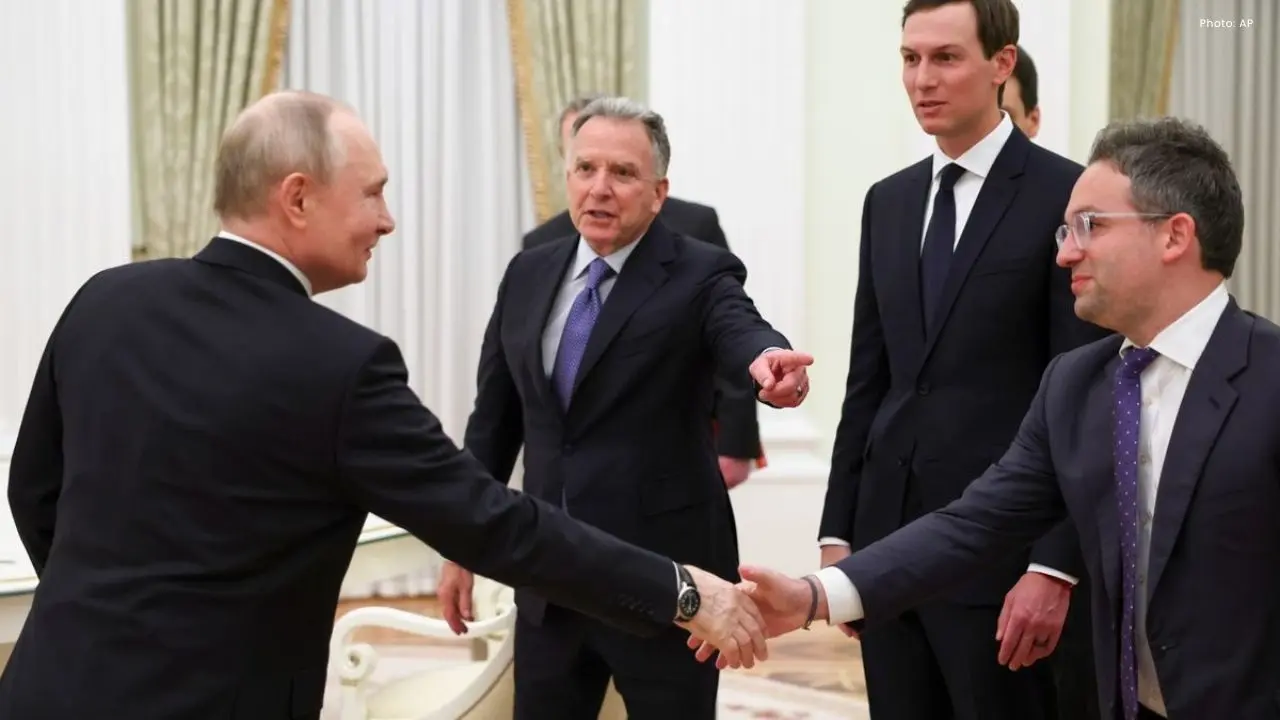
Prior to the Abu Dhabi summit, Russian President Vladimir Putin held a meeting in Moscow with U.S. envoys Steve Witkoff and Jared Kushner. Russia has stated that a successful peace agreement necessitates the withdrawal of Ukrainian forces from territories in the east that Russia has annexed, though not entirely occupied.
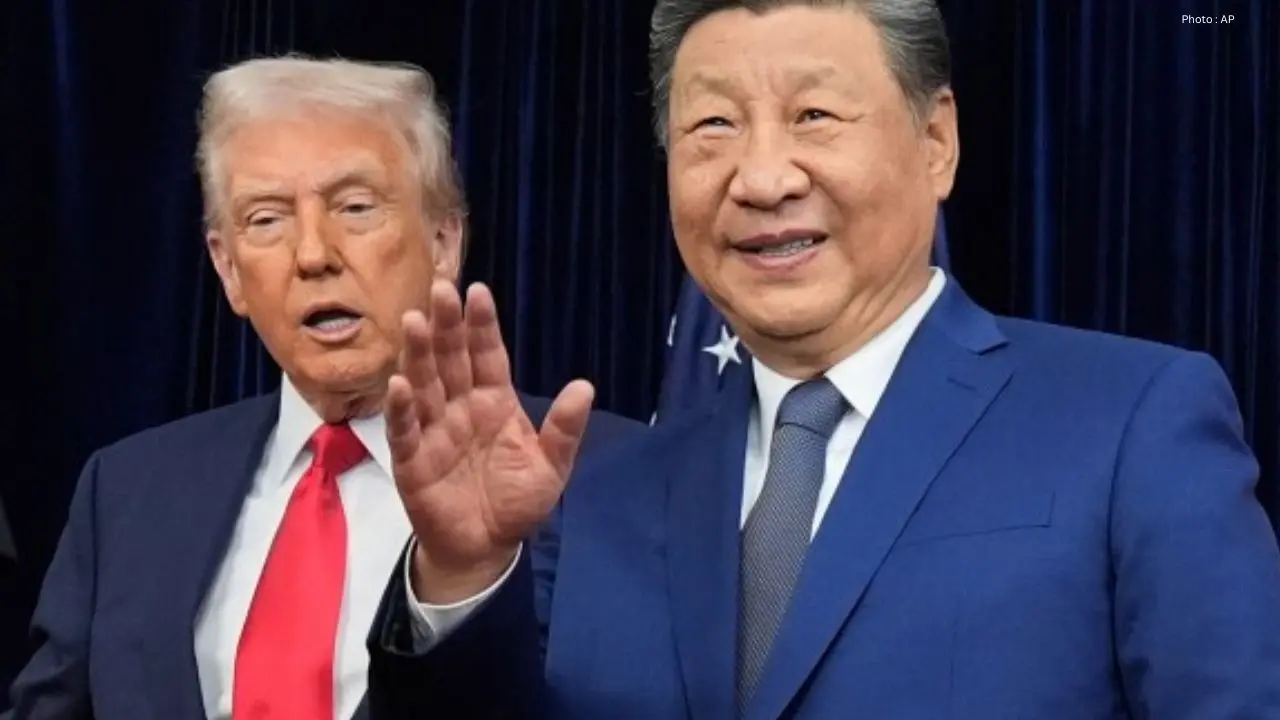
After a separate meeting with former U.S. President Donald Trump in Davos, Switzerland, Zelenskyy mentioned that peace proposals are nearing completion. He proposed the establishment of a free trade zone under Ukrainian governance in the eastern territories to bolster local businesses.
The recent Abu Dhabi discussions marked a notable occasion as it was the first instance where officials from the Trump administration engaged with representatives from both Ukraine and Russia simultaneously. Zelenskyy indicated that the Ukrainian delegation shared updates nearly every hour, stressing the need for Russia to reflect a commitment to end the conflict it instigated.
Kremlin representatives confirmed that the dialogue touched on security concerns, highlighting Russian demands for the withdrawal of Ukrainian forces from Donbas as “significant.” Furthermore, discussions included potential buffer zones and control mechanisms, with U.S. participants including military and NATO officials.
The ongoing war has resulted in substantial losses on both sides. Since 2014, Russia has gained control over approximately 20% of Ukrainian territory, and the large-scale invasion in 2022 has prompted severe military and economic repercussions. Ukraine continues to grapple with financial, manpower, and equipment deficiencies, despite ramping up domestic arms manufacturing. Reports indicate significant troop desertions, estimated at around 200,000, alongside about 2 million draft dodgers.
Zelenskyy also expressed disappointment with Europe for its slow response, lackluster defense spending, and failure to enforce sanctions against Russia. He stressed the necessity for European nations to bolster their security strategies and take decisive actions, juxtaposing it with the proactive stance taken by the U.S. in global matters.
While the discussions in Abu Dhabi represent a crucial move towards peace, numerous challenges continue to loom. Negotiators will need to reach consensus on territorial governance, security assurances, and economic strategies. The outcomes from these talks will be instrumental in shaping Ukraine's future and potentially influencing wider international relations.