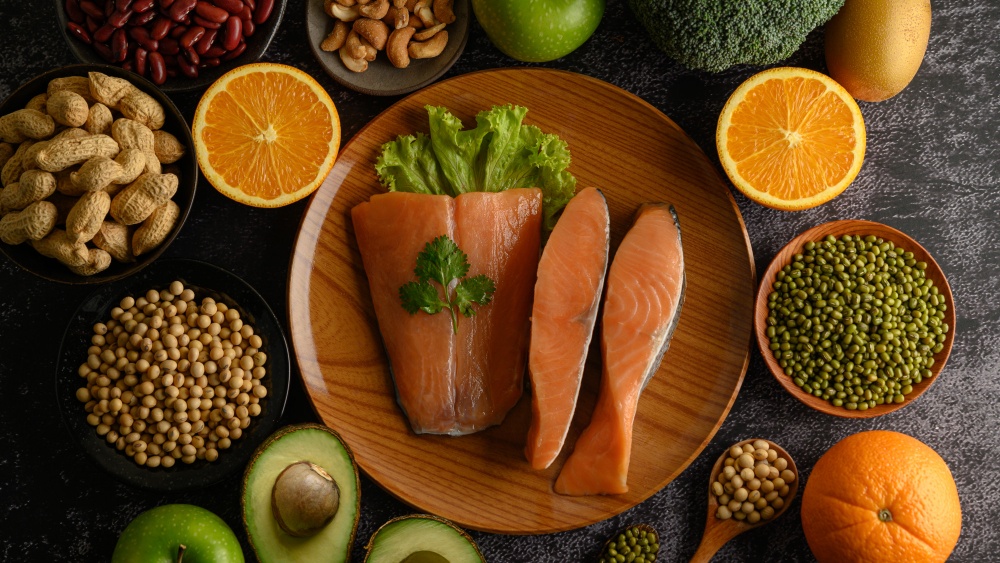
5 Vital Nutrients for a Healthy Thyroid Beyond Iodine
While iodine has long been recognized as crucial for thyroid function, recent research highlights the importance of several other key nutrients. These nutrients play a supporting role in energy production, hormone regulation, and key bodily functions such as breathing and maintaining body temperature.
In this comprehensive health guide from CNI News, we outline five essential nutrients for optimal thyroid function, ensuring clarity for everyone, regardless of age or gender.
Why Iodine Isn't Enough for Thyroid Health
The thyroid gland, although small, has a tremendous impact on the body, influencing aspects from metabolism to mood and temperature regulation.
A lack of essential nutrients can hamper thyroid function, leading to fatigue, coldness, and impaired mental clarity.
Understanding Thyroid Hormones
The thyroid primarily generates two hormones:
Converting T4 into T3 is crucial for energy, and this process relies on nutrients like selenium and zinc—not just iodine.
Diverse Nutritional Needs for Men and Women
Both genders face thyroid challenges, but the contributing factors can differ:
-
Women might experience iron loss due to menstruation and may require extra vitamin D during pregnancy or nursing.
-
Men often lose zinc through intense physical exertion and stress, which can impact their nutrient reserves.
Such variations lead to different thyroid symptoms in men versus women.
THE 5 VITAL NUTRIENTS FOR THYROID HEALTH
1. Selenium – The Thyroid's Shield
Selenium is vital for thyroid function. A deficiency can disrupt T4 to T3 conversion, hindering metabolic processes.
Benefits of Selenium
This mineral safeguards thyroid cells against stress and inflammation, stabilizing hormone levels and ensuring long-term health.
Foods High in Selenium
-
Brazil nuts
-
Eggs
-
Tuna
-
Fish
-
Brown rice
Only a minimal amount of selenium is required daily.
2. Zinc – The Activating Agent
Zinc is crucial for the conversion of T4 into T3. A deficiency can lead to fatigue and sluggish thyroid performance.
Indicators of Zinc Deficiency
-
Hair loss
-
Low appetite
-
Weakened immune system
-
Delayed healing
-
Frequent fatigue
Sources of Zinc
-
Meat
-
Nuts
-
Legumes
-
Pumpkin seeds
-
Chickpeas
Athletes may require additional zinc.
3. Iron – The Vital Resource
Iron enables blood to transport oxygen, dictating overall vitality and thyroid efficiency.
Iron Needs for Women
Due to menstruation, women often face iron depletion, which can weaken thyroid activity.
Iron-Rich Foods
-
Spinach
-
Legumes
-
Dates
-
Raisins
-
Red meat
Maintaining balanced iron levels can enhance energy and thyroid performance.
4. Magnesium – The Muscle Relaxant
Magnesium is involved in over 300 bodily processes, crucial for energy generation, muscle relaxation, stress management, and sleep — all of which are vital for thyroid health.
Consequences of Low Magnesium
-
Sleep disturbances
-
Mood fluctuations
-
Muscle spasms
-
Slow digestive process
Magnesium Sources
-
Dark chocolate
-
Almonds
-
Oats
-
Bananas
-
Avocado
This mineral also supports the nervous system, alleviating stress which could exacerbate thyroid issues.
5. Vitamin D – The Protector of Thyroid Hormones
Vitamin D operates more like a hormone, playing a protective role against autoimmune diseases like Hashimoto’s.
Reasons for Vitamin D Deficiency
Many modern practices contribute to deficiency:
Sources of Vitamin D
-
Sunlight
-
Salmon
-
Fortified dairy
-
Egg yolks
A simple medical test can determine your vitamin D levels.
The Nutrient Harmony
When all five nutrients—selenium, zinc, iron, magnesium, and vitamin D—are balanced, your thyroid functions optimally. These nutrients synergize to:
Should any of these nutrients become insufficient, thyroid health can suffer, impacting overall well-being.
Thyroid-Friendly Meal Suggestions
Breakfast Ideas
-
Nuts and seed-topped oats
-
Eggs served with whole grain toast
-
Yogurt combined with fresh fruit
Lunch & Dinner Options
Healthy Snack Suggestions
Foods That May Hinder Thyroid Function
While these foods are not inherently bad, overconsumption may affect thyroid efficiency:
-
Raw cabbage
-
Raw broccoli
-
Excessive amounts of soy
-
Fried foods
Cooking or steaming these vegetables can lessen their impact.
When to Consult a Healthcare Professional
Seek professional advice if you notice:
-
Unexplained weight fluctuations
-
Persistent fatigue
-
Changes in hair density
-
Emotional shifts
-
Irregular menstrual cycles
-
Constant feeling of coldness
A thyroid evaluation and nutrient analysis can clarify your health needs.
Your thyroid needs more than just iodine for optimal health. Nutrients like selenium, zinc, iron, magnesium, and vitamin D play vital roles in hormone balance and energy levels. A nutrient-rich diet can significantly benefit both men and women, promoting lasting thyroid health.
With mindful food choices, you can enhance your thyroid function and enjoy a more energized, balanced life.
Disclaimer
This content is for informational purposes only and is not a substitute for medical advice. Individual thyroid requirements and symptoms vary, and it is essential to consult a qualified healthcare provider for personalized guidance. Do not modify any health regimen without professional consultation.