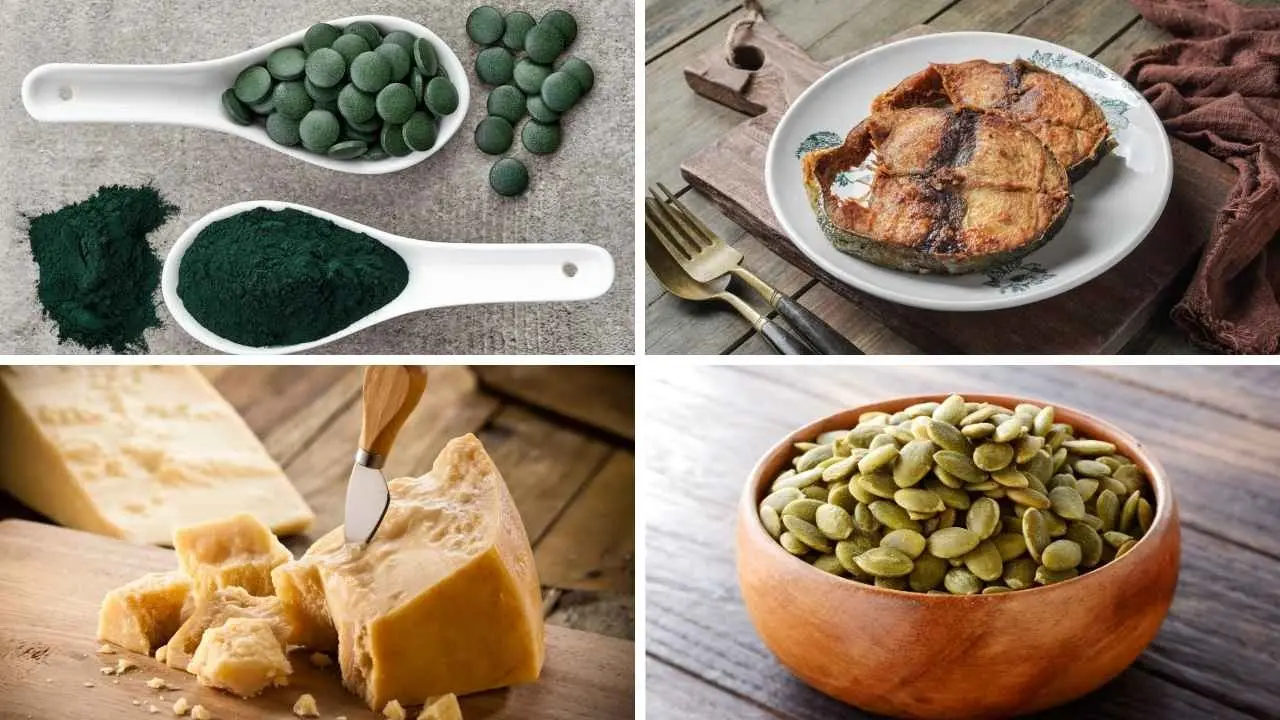
Discover 4 Foods Packed with More Protein than Chicken Breast
For years, chicken breast has been deemed the ultimate food choice for muscle building and fitness due to its low-fat content and versatility. However, it may not be the highest-protein option available.
A cooked chicken breast contains approximately 31 grams of protein per 100 grams. This is decent, yet several alternatives, including vegetarian, dairy, and seafood options, provide more protein, along with additional health benefits.
As consumers seek healthier and more diverse dietary options, these high-protein foods are gaining traction. Below, we explore four standout foods that excel in protein content over chicken breast.
1. Spirulina — A Nutritional Powerhouse Nearly Doubling Chicken's Protein
Spirulina, a vibrant blue-green algae often blended into smoothies, might not seem appealing, but it packs a nutritional punch.
Dried spirulina delivers around 57 grams of protein per 100 grams, nearly twice that of chicken.
Why Spirulina Shines
-
Contains about 57g of protein per 100g
-
Loaded with iron, magnesium, and calcium
-
Rich in antioxidants that enhance immunity
-
Boosts stamina and energy levels
-
Easily blended into beverages or breakfast items
Just a small teaspoon daily can enhance nutrition, making it popular among athletes and active individuals.
2. Parmesan Cheese — Tasty and Richer in Protein than Chicken
Renowned for its savory flavor, parmesan cheese is also one of the richest protein cheeses. It provides 38–40 grams of protein per 100 grams, exceeding that of chicken.
Advantages of Parmesan
-
38–40g protein per 100g
-
Great source of calcium for bone health
-
Long shelf life and easy to store
-
Enhances flavor in small quantities
-
Offers high-quality protein that is easily absorbed
Though salty, it remains a substantial protein source when used in moderation.
3. Canned Tuna in Water — A Lean and Robust Protein Source
A simple can of tuna contains approximately 36 grams of protein per 100 grams, making it a superior protein source compared to chicken, and it's low in fat when packed in water.
Why Fitness Lovers Favor Tuna
-
Around 36g protein per 100g
-
Aids muscle recovery post-workout
-
Convenient — no cooking required
-
Contains heart-healthy omega-3 fatty acids
-
Ideal for meal prep and quick lunches
Tuna can be enjoyed in salads, sandwiches, or rice bowls, providing a quick, nutritious meal.
4. Pumpkin Seeds — A Plant-Based Protein Source on Par with Meat
Despite their small size, pumpkin seeds are nutrient-dense, offering 30–37 grams of protein per 100 grams, sometimes surpassing chicken's protein levels.
Benefits of Including Pumpkin Seeds in Your Diet
-
30–37g protein per 100g
-
Rich in magnesium, zinc, and healthy fats
-
Beneficial for skin, hair, heart health, and immunity
-
Snack-friendly or easy to incorporate into meals
-
A fantastic option for vegetarians and vegans
Enjoy them roasted or sprinkle them on salads, oatmeal, or in smoothies.
The Importance of These High-Protein Foods Today
In today’s food landscape, people are seeking more variety and nutrition. Here’s why these foods are trending:
-
Share more protein in smaller servings
-
Provide essential minerals and vitamins
-
Support flexible or plant-based diets
-
Reduce reliance on chicken as a single protein source
-
Combat meal monotony and elevate diet quality
Diverse protein sources also contribute to improved digestion and overall health.
Incorporating These High-Protein Foods into Your Diet
You don’t need significant dietary changes; small adjustments can make a big difference.
Integrating Spirulina
-
Mix into smoothies, juices, or health drinks
-
Blend with energy bars or breakfast bowls
Using Parmesan Cheese
-
Sprinkle on pasta, salads, or soups
-
Add to omelets for a protein boost
Preparing Tuna
Enjoying Pumpkin Seeds
-
Snack on them for a crunchy treat
-
Add to yogurt, oats, salads, or smoothies
Small consistent habits can naturally increase your protein intake.
While chicken breast is a healthy protein choice, it is not the only one. Spirulina, parmesan cheese, tuna, and pumpkin seeds all deliver comparable or even greater protein levels, along with additional nutrients that promote energy, immunity, and overall well-being.
Incorporating these foods into your meals can enhance your diet's variety, boost nutrition, and contribute to a healthier body—whether you're aiming to build muscle, lose weight, or just eat better.
Disclaimer
This article is intended for general nutrition knowledge only. Individual protein needs can vary based on various factors including age, health conditions, activity levels, and dietary preferences. Consult a certified health professional before making significant dietary changes.