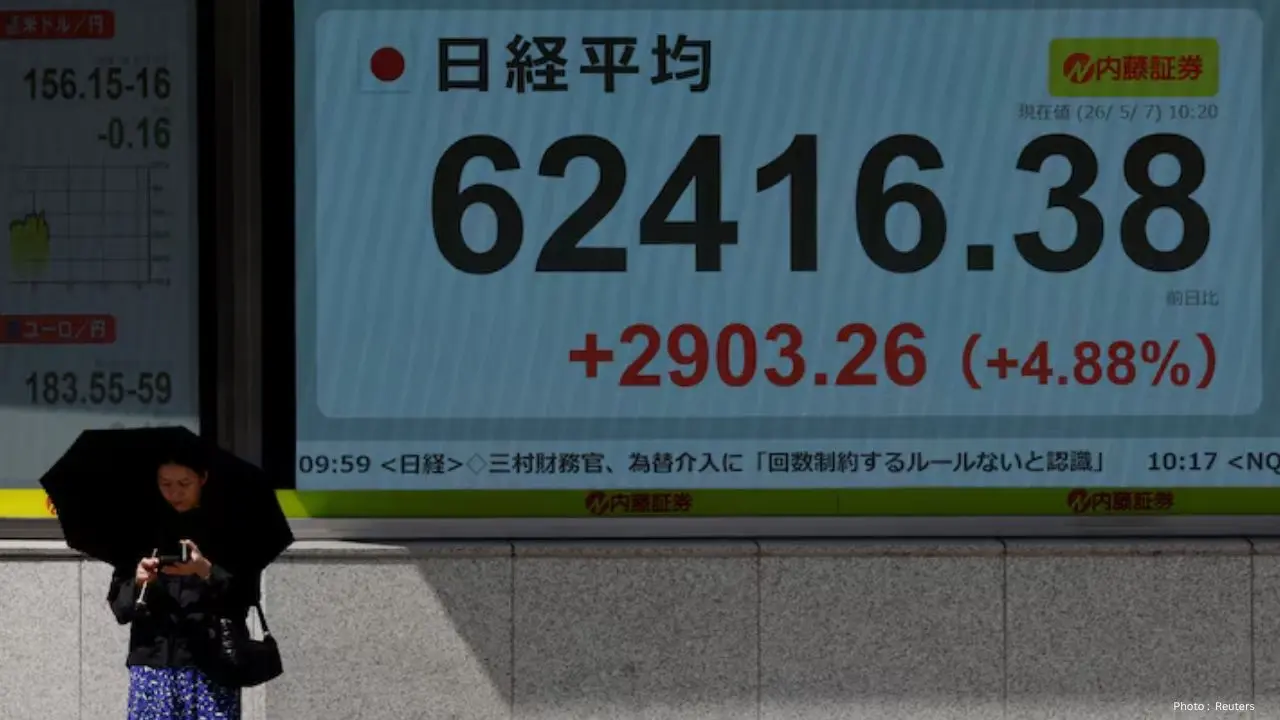
On May 7, 2026, global financial markets experienced a significant surge as investors reacted favorably to news of potential peace negotiations between the United States and Iran, alongside robust growth in the artificial intelligence sector. Stock exchanges across Asia, Europe, and North America reached new peaks, while oil prices plummeted, further enhancing investor optimism worldwide.
Asian markets particularly led the charge, with Japan’s Nikkei index surpassing the historic threshold of 62,000 for the first time following its holiday break. Additionally, stock indices in South Korea and Taiwan hit record highs, propelled by technology firms that thrived on the burgeoning interest in AI investments.
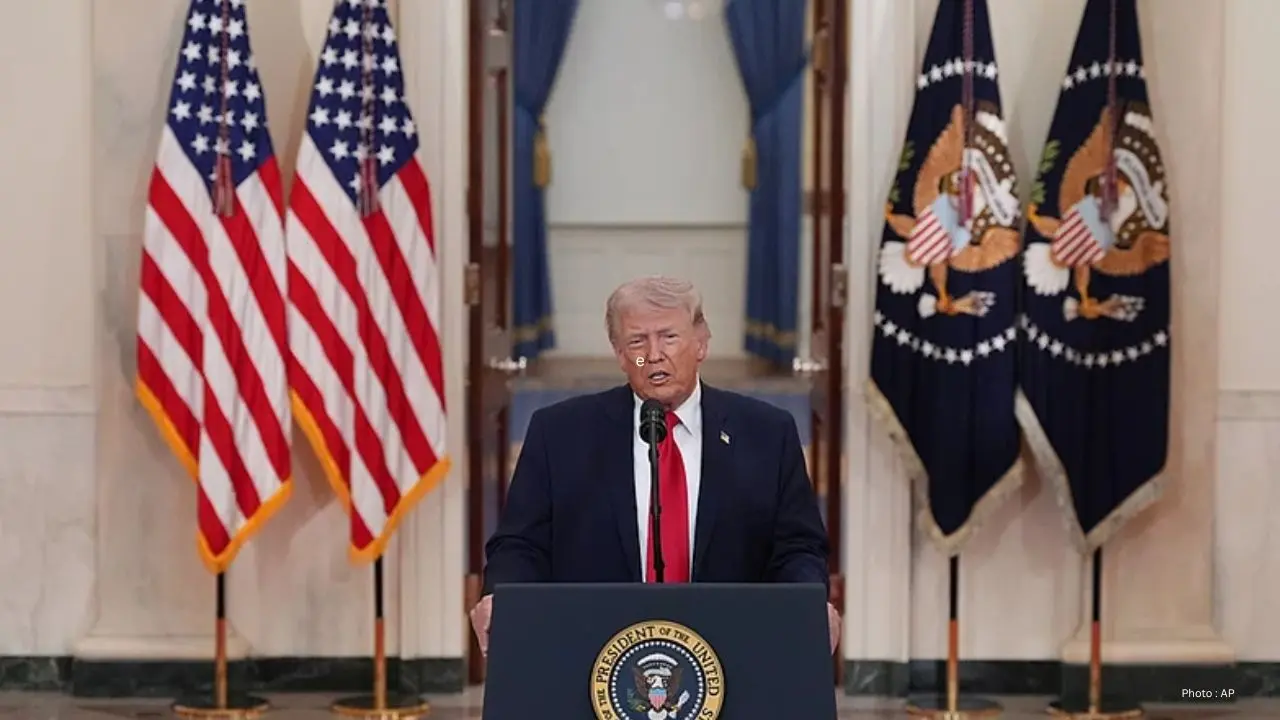
This wave of optimism was primarily fueled by reports suggesting that Washington and Tehran might be moving towards a provisional peace agreement aimed at easing Middle Eastern tensions. Many investors believe that reduced conflict could help stabilize global oil supply and alleviate inflationary pressures.
Oil markets reacted swiftly to the emerging peace prospects, with Brent crude dropping sharply after weeks of volatility linked to tensions in the strategically important Strait of Hormuz. This decline in oil prices calmed fears surrounding increasing inflation and slow economic growth.
The worldwide market rally was sustained by impressive earnings from major tech companies, particularly those connected to AI. Firms involved in chipmaking and semiconductors captured significant investor interest, reflective of the explosive demand for AI technologies cutting across various sectors.
Major tech firms saw a considerable increase in their share prices after several posted better-than-expected earnings and revealed substantial investments in AI-related infrastructure. Investors are optimistic that AI could emerge as a major driver of economic growth in the coming decade.
On Wall Street, benchmarks continued to break records. The Nasdaq and S&P 500 indexes rose sharply as investors directed funds into technology and AI-focused enterprises. Analysts noted that the atmosphere had shifted to a 'risk-on' environment, with investors eagerly buying stocks in light of improving global conditions.
During 2026, the AI boom has solidified its position as a crucial force in global finance. Companies delving into semiconductor manufacturing, cloud computing, and AI software have witnessed explosive market growth. Some Asian tech titans have crossed trillion-dollar market values due to the excitement surrounding AI advancements.
Currency markets also signaled shifting investor sentiment. The U.S. dollar weakened against several major currencies as investors shifted away from safe-haven assets buoyed by improved prospects for Middle East peace. The Japanese yen appreciated significantly, partially due to speculation of government intervention to bolster the currency.
Government bonds also reflected positive trends, with yields in several nations declining following the dip in oil prices, easing long-term inflation fears. Investors believe that central banks may experience less pressure to maintain elevated interest rates as energy costs decrease.
Experts, however, caution that financial markets remain highly susceptible to geopolitical developments. The situation between the U.S. and Iran is precarious, with unresolved issues regarding Iran's nuclear ambitions and control of the Strait of Hormuz. Any breakdown in negotiations could swiftly reverse current market optimism.
Just days prior, markets experienced high volatility due to rising anxieties over Middle Eastern conflicts, with oil prices exceeding $110 per barrel amid concerns about supply disruptions and military escalation in the Gulf.
This latest market rally underscores the interconnectedness of global economies with geopolitical dynamics. Energy prices, inflation trends, stock fluctuations, and interest rates are all profoundly influenced by the developments in key conflict zones like the Middle East.
Another contributing factor to investor optimism is the robustness of global economies despite ongoing regional tensions. Many emerging markets have thrived even amid high oil prices and uncertainty. Analysts attribute this resilience to stronger financial systems and ongoing demand in tech-driven sectors.
Nonetheless, some economists express caution regarding future outlooks. They warn that stock markets may be rising too rapidly on AI enthusiasm and unconfirmed peace initiatives. Concerns also linger about inflation, governmental debt, and potential economic downturns in certain regions.
The Federal Reserve and other central banks remain vigilant regarding the evolving situation. The surge in oil prices during the Iran conflicts heightened inflationary concerns and disrupted supply chains. While the recent drop in oil prices offers temporary relief, policymakers remain wary of long-term economic threats.
For investors, the convergence of lower oil prices, prospects for Middle Eastern peace, and relentless AI growth has triggered one of the most vigorous market rallies seen this year. Financial markets are now keenly observing whether diplomatic progress between the United States and Iran will continue in the days ahead.
This current rally serves as a reminder of how swiftly global markets can respond to both political developments and technological innovations. Despite the restored optimism among investors for now, experts emphasize that uncertainty remains high, with potential volatility looming should geopolitical tensions escalate once again.