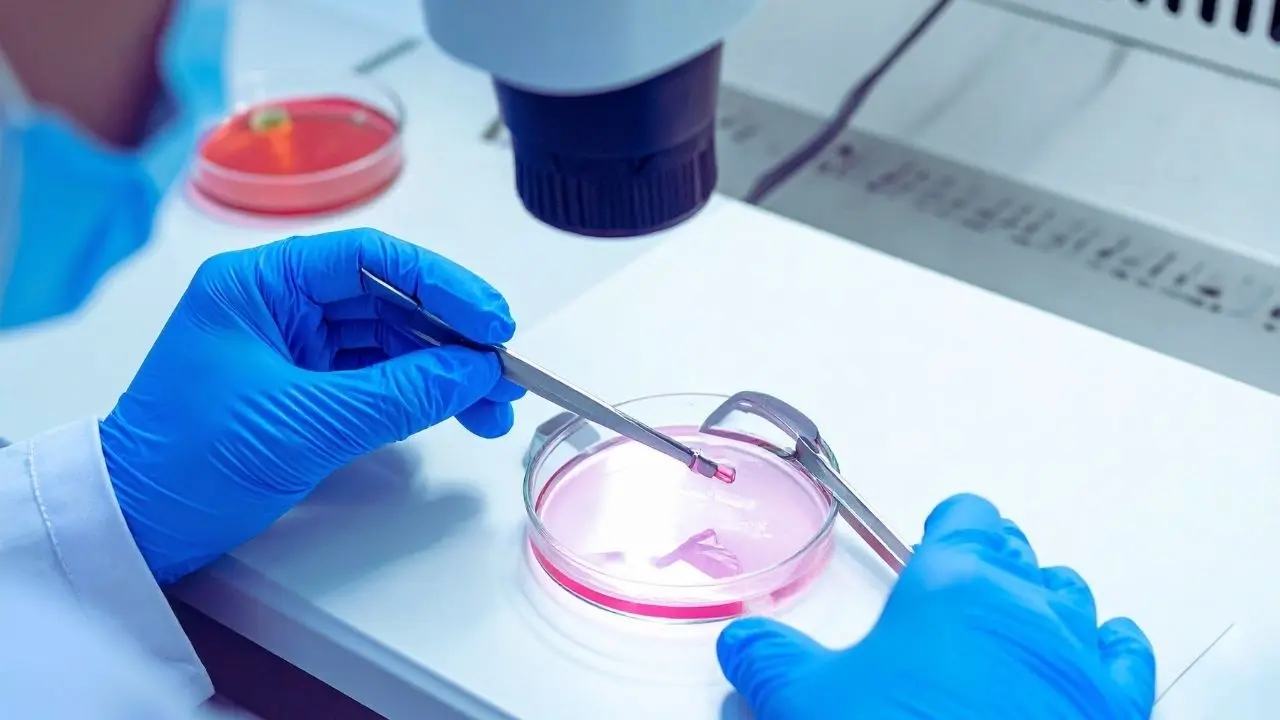
Biotechnology in 2025: A New Era of Innovation
The year 2025 heralds a revolutionary phase for biotechnology. Over the past decade, research has transitioned from mere experiments to tangible applications, directly impacting lives across healthcare, agriculture, and consumer products. The fusion of artificial intelligence, precision biology, and sustainable engineering has catalyzed these advancements.
While media reports may sometimes hype biotechnological capabilities, numerous advancements are genuinely transforming sectors. From gene therapies effectively addressing previously untreatable health issues to crops designed for extreme weather, the biotech landscape is evolving rapidly and gaining reliability.
Grasping the current developments in laboratories, hospitals, and farms is crucial for understanding their societal implications today.
Revolutionary Advances in Human Health: Fact vs. Fiction
Gene Therapies Become Accessible
In 2025, gene therapy has made significant strides. Treatments that once only targeted rare conditions are now being designed for broader applications. Researchers are crafting precise therapies that correct faulty genes, rather than just alleviating symptoms.
These innovative therapies provide hope for those with:
With improved delivery methods, these treatments are safer and more widely available than previously imagined.
CRISPR Technology Enters Clinical Use
CRISPR genome editing is stepping out of the lab and into clinical settings. In 2025, advanced CRISPR systems with enhanced accuracy are being employed in patient therapies. These next-gen tools minimize off-target effects, making them suitable for direct human application.
Such advancements hold promise for tackling:
This transition from fundamental research to applied clinical practices signals biotechnology's evolution into a dependable medicinal resource.
Affordable Personalised Medicine on the Rise
The biotech landscape has fast-tracked the advent of personalised medicine. Doctors now harness genetic testing and molecular profiling to deliver customised therapies.
Significant advancements include:
-
tailored cancer treatment approaches
-
personalised medication dosages
-
proactive risk evaluations for illnesses
This tailored approach enhances treatment efficacy while minimizing adverse reactions.
AI Enhances Drug Discovery Processes
Artificial intelligence is transforming the pharmaceutical sector. AI-driven tools can scrutinise millions of molecular combinations rapidly, allowing researchers to pinpoint promising drug candidates with unprecedented efficiency.
The speedier pace brings:
-
accelerated development times
-
lowered research expenditures
-
heightened trial success rates
For conditions that have long awaited new solutions, this shift inspires hope.
Vaccines and Immunotherapy: A New Frontier in Disease Prevention
mRNA Technology Diversifies Beyond COVID
mRNA vaccines captured attention recently, but 2025 showcases an expanded application. Researchers have successfully utilised mRNA to formulate vaccines targeting:
The adaptable nature of mRNA vaccines enables health agencies to quickly respond to shifting pathogens.
Breakthroughs in Cancer Vaccines
Cancer vaccines, once thought to be a distant reality, are now experiencing substantial advancements. These vaccines function by stimulating the immune system to detect and combat tumour cells.
Ongoing studies are focusing on cancers such as:
-
melanoma
-
pancreatic cancer
-
lung cancer
-
ovarian cancer
Although still in development, 2025's progress suggests they are nearing the threshold of practical use.
Safer and More Targeted Immunotherapies
Immunotherapy has revolutionised cancer care, but early iterations frequently resulted in severe side effects. Today’s refined immunotherapies offer more precise immune responses, enhancing safety and efficacy.
Agricultural Biotechnology: A Sustainable Future
Resilient Crops in Mainstream Agriculture
Unpredictable weather patterns have rendered traditional farming risky. Biotechnology has introduced crops engineered to resist:
These innovations safeguard harvests and empower farmers to sustain food security amidst climate challenges.
Popularity of Nutritionally Enriched Foods
Researchers are creating crops with enhanced nutritional profiles. These "biofortified" foods target nutritional deficiencies in areas with limited dietary variety.
Examples encompass:
These crops have the potential of enhancing public health on a broad scale.
Microbial Fertilisers Lower Chemical Use
Using biotechnology to enhance soil fertility is another focal area in 2025. Microbial fertilisers—engineered organisms assisting plants with nutrient absorption—minimise the necessity for chemical supplements.
This movement:
Precision Agriculture with Biotech Sensors
Sensors leveraging biotechnology have the capability to identify plant stress, assess soil health, and detect impending diseases at early stages. This allows farmers to apply water, nutrients, or treatments precisely where necessary.
Such technology aids:
Livestock Biotechnology: Enhancing Animal Health and Sustainable Practices
Disease-Resistant Livestock Breeds Are Now Possible
Manipulating livestock genomes has yielded breeds that resist prominent illnesses. This innovation avoids mass losses, curtails antibiotic reliance, and strengthens food security.
Examples include:
Enhanced Animal Nutrition via Biotech Feed
Biotechnological enhancements in animal feed have improved nutrient absorption, lowered methane emissions, and fostered healthier growth.
Environmental Biotechnology: Science for a Cleaner Planet
The Rise of Bioremediation Solutions
Scientists are utilising engineered microorganisms to eliminate pollutants from:
Bioremediation provides a natural, less intrusive approach to addressing environmental contamination.
Carbon Sequestration Through Biological Innovations
Biotech enterprises are developing algae and bacteria proficient in absorbing substantial quantities of carbon dioxide. These advancements align with renewable energy initiatives and help mitigate emissions.
Efficient Plastic-Decomposing Enzymes
Enzymes designed to decompose plastics are nearing commercial viability. This breakthrough points toward a sustainable future for waste management.
Biotechnology in Daily Life: Impact on Regular Citizens
Highly Accurate Home Diagnostic Tools Available
Individuals can now assess various health conditions at home with trustworthy tests for:
-
hormonal levels
-
nutritional deficits
-
infection indicators
These tools reduce clinic visits and foster proactive health management.
Functional Foods Become a Staple
Foods enriched with probiotics, antioxidants, and phytochemicals are now widely accepted. Biotechnology ensures these products deliver actual health benefits, distancing them from mere claims.
Ethical and Societal Implications of Biotech Growth
Genetic Privacy Issues Arise
As genetic testing becomes common, individuals express concerns about data management and usage. Comprehensive regulations are essential to safeguard privacy.
Access to Biotech Treatments Lacking for Some
Although impressive, cutting-edge treatments may still be financially out of reach for low-income groups, raising equity questions in healthcare.
Environmental Concerns About GMOs Persist
While GMOs present clear advantages, unchecked spread or misuse may threaten ecosystems. Current research is focused on developing safeguards to prevent unintended consequences.
Clarifying Reality: What’s Hype vs. What’s Fact
The Role of Human Expertise Remains Crucial
Despite advancements like AI and gene editing, the value of human insight and experience continues to be pivotal.
Complete Disease Eradication Is a Distant Target
While several therapies show promise, they often improve conditions rather than cure them outright, necessitating ongoing research.
Farming Will Continue to Integrate Tradition and Innovation
Biotechnology complements traditional farming practices rather than completely replacing established agricultural knowledge.
Conclusion: Biotechnology in 2025 Is Authentic, Affecting, and Pivotal
The advancements of 2025 confirm that biotechnology is not merely a concept of the future; it is a substantial element driving contemporary change. From customised healthcare solutions to resilient agricultural practices and environmental recovery efforts, biotech has emerged as a critical component of progress.
While ethical dilemmas persist, the advantages are significant. As the technology evolves, society can expect healthier communities, enhanced food systems, cleaner environments, and innovative answers to global issues.
Recognising the real advancements, emerging trends, and distant goals allows us to approach the future with both zeal and accountability.
Disclaimer:
This article offers general insights into biotechnology trends and is not intended as scientific or medical counsel. Research findings may vary based on region, institution, and regulatory contexts.