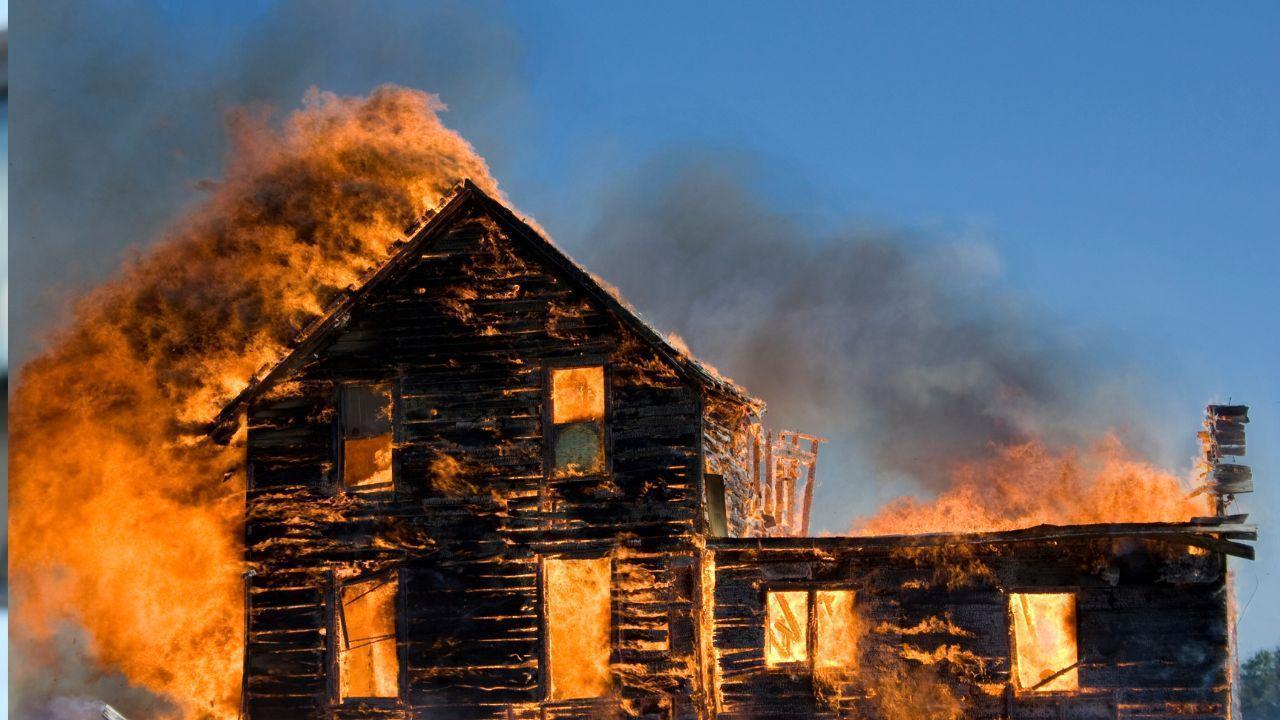
A seemingly routine fire at a vacant house in Sarnia has turned into a criminal investigation. In the early hours of July 13, 2025, emergency crews responded to a blaze at approximately 3:30 a.m. on the 1100 block of Confederation Street. Though initially deemed suspicious, subsequent findings have elevated it to a serious case of arson.
Sarnia Fire Service crews arrived swiftly after receiving an alert, with flames visibly engulfing the unoccupied home. Their initial assessment detected the unmistakable smell of gasoline—hardly typical in accidental fires. The inferno inflicted substantial damage to the interior while miraculously sparing neighboring properties. No one was present inside, and no injuries were reported.
Sarnia Police Service investigators later confirmed the fire was deliberately set. According to statements from the Criminal Investigations Division, investigators found evidence a suspect had brought what appeared to be a gas can into the property just before the flames started. They also uncovered a timer-linked hot plate at the fire’s point of origin—strongly indicating a premeditated ignition mechanism.
These discoveries transformed the incident from a suspicious fire into a prosecutable act. Based on the evidence, police charged a 49‑year‑old local resident with arson causing property damage. The accused was released on an undertaking and is due in court on August 12, 2025.
The investigation illuminates a troubling pattern: when fires occur in vacant properties, they often hide malicious intent. But this case stands out because of early, precise forensic work that identified accelerants and mechanical ignition devices, which do not occur in typical accidental fires.
What the Evidence Reveals
-
Gas can presence: security footage and witness testimony indicate someone carried a container, consistent with petrol, into the house shortly before the blaze started.
-
Timer hot plate device: a heating element wired to a timer was found near the fire's point of origin—suggesting the fire was set to ignite without the suspect’s direct presence.
-
Odour of gasoline: first responders corroborated by scent that an accelerant was used, reinforcing the arson hypothesis.
-
Vacant nature of the house: there were no residents; the property was in disuse. If criminal, there would be no direct victims inside—though the potential for harming adjacent buildings was significant.
All these factors meet the Criminal Code’s definition of arson, which includes intentionally causing a fire that damages property.
Community and Public Safety Concerns
Properties left vacant pose several risks. Beyond the obvious decay and vandalism, they become targets for illicit activities such as arson—and possibly, staging for criminal events. The fire in this Sarnia neighborhood heightens fears of destructive behaviors expanding beyond isolated incidents.
While this house was unoccupied and no one was injured, the consequences could have been dire. Flames might have spread, smoke inhalation could have endangered nearby residents, or explosions might have resulted from closer accelerant proximity.
Legal Path Forward and Arson Penalties
Under Section 434 of Canada’s Criminal Code, arson involving willful or reckless property damage carries serious penalties. If the Crown proves intent, the perpetrator may face up to life imprisonment. An alternative arson offence—careless burning—poses a maximum of 14 years.
Court proceedings will unfold as follows:
-
Bail hearing: considering the accused has already been released on conditions, the court will decide whether to adjust these or remand the individual pre-trial.
-
Disclosure of evidence: police must share findings with the defense, including scene photographs, officer statements, and forensic reports.
-
Possible preliminary inquiry: a judge will assess whether sufficient evidence exists to proceed.
-
Trial: if the case continues, Crown prosecutors will present evidence to prove the accused purposely ignited the fire.
Given the detailed evidence—a container, accelerant presence, and mechanical ignition—there is a substantial chance this matter will go to trial.
Role of Forensics in Proving Arson
The investigation highlights how fire science today can pinpoint criminal actions. Forensic experts analyze burn patterns, accelerant residues, and ignition sources. Without such analysis, many fires are labeled "undetermined" or "accidental."
In this case, investigators documented burn progression and compiled chemical samples to confirm gasoline presence. The timer hot-plate device indicates foresight and intent—evidence that greatly strengthens the Crown's case and sets a firm example for future arson prosecutions.
Insurance Liability and Community Repercussions
Although this house was vacant and likely un- or under-insured, private property damage invites civil claims. If insurance covered it, the company will pursue restitution—either from the accused or via assessing zoning or municipal negligence if code violations contributed to the risk.
Furthermore, vacant-property fires can depress surrounding property values and drive up local insurance premiums. Municipalities and residents alike depend on prompt action and strict enforcement to prevent such effects.
Municipal and Prevention Measures
City officials and police may enhance security strategies for vacant properties:
-
Routine patrols and surveillance
-
Boarding up or securing entrances
-
Installing cameras or motion sensors
-
Establishing neighbourhood vigilance hotlines
Landlords and owners may face legal obligations to maintain or secure vacant houses under local bylaws. Failure to do so could result in fines or forced interventions.
Neighbourhood Sentiments and Community Watch
Residents on Confederation Street have expressed relief that no homes were destroyed and nobody was injured. One neighbour remarked that the early morning hours made the fire all the more alarming. Others are urging city council and authorities to adopt better preventive measures, fearing that other neighbourhoods may also harbor derelict properties.
Nearby homeowners often consider vacant houses eyesores. Fires, especially intentional ones, compound concern and degrade neighbourhood safety. Civic groups are discussing increased coordination with fire services and police to monitor empty residences more effectively.
Comparisons to Other Regional Arson Cases
Earlier this year in Sarnia, arson had disrupted townhouses on Lanark Court, leading to police charges—an indication arson isn’t an isolated threat in the area. Multiple incidents foster a pattern that demands attention, whether arson is committed for thrill, to conceal other crimes, or for malicious destruction.
Similar cases elsewhere show that firefighters frequently encounter accelerant use or mechanical ignition. These situations prompt greater scrutiny and political support for property safety controls—especially in post-industrial towns.
Public Safety Awareness and Campaigns
Local authorities may respond by launching public education:
-
Recognizing signs of drugs or equipment in vacant homes
-
Reporting strange activity to police
-
Holding property managers accountable
-
Training volunteers to notice patterns around vacant properties
Public campaigns via flyers, council notices, and block meetings increase awareness, reduce risk, and foster community solidarity.
Long-Term Urban Planning and Regeneration
High numbers of unoccupied houses can indicate economic decline or speculative behavior. Long-term solutions include:
-
Incentivizing redevelopment
-
Enforcing maintenance standards
-
Reusing vacant lots
-
Expanding heritage grants
-
Promoting affordable housing to fill empty spaces.
Reclaiming vacant urban spaces strengthens neighbourhoods and deters criminal use like arson.
A Blaze with Lessons
The investigation of the Sarnia arson case transcends routine criminality. It’s a wake-up call—underscoring how unattended properties can be misused, the importance of forensic diligence, and the need for integrated community protection.
With court proceedings underway, residents await decisions on bail and accountability. Meanwhile, the wider community must act—advocating for vacancy regulations, security measures, and insurance education.
This incident may serve as a catalyst: identifying weaknesses in policy, urging stronger safety standards, and ultimately preventing future tragedies. Vigilance, cooperation, and municipal leadership can ensure that vacant houses become opportunities for renewal, not hazards of neglect.