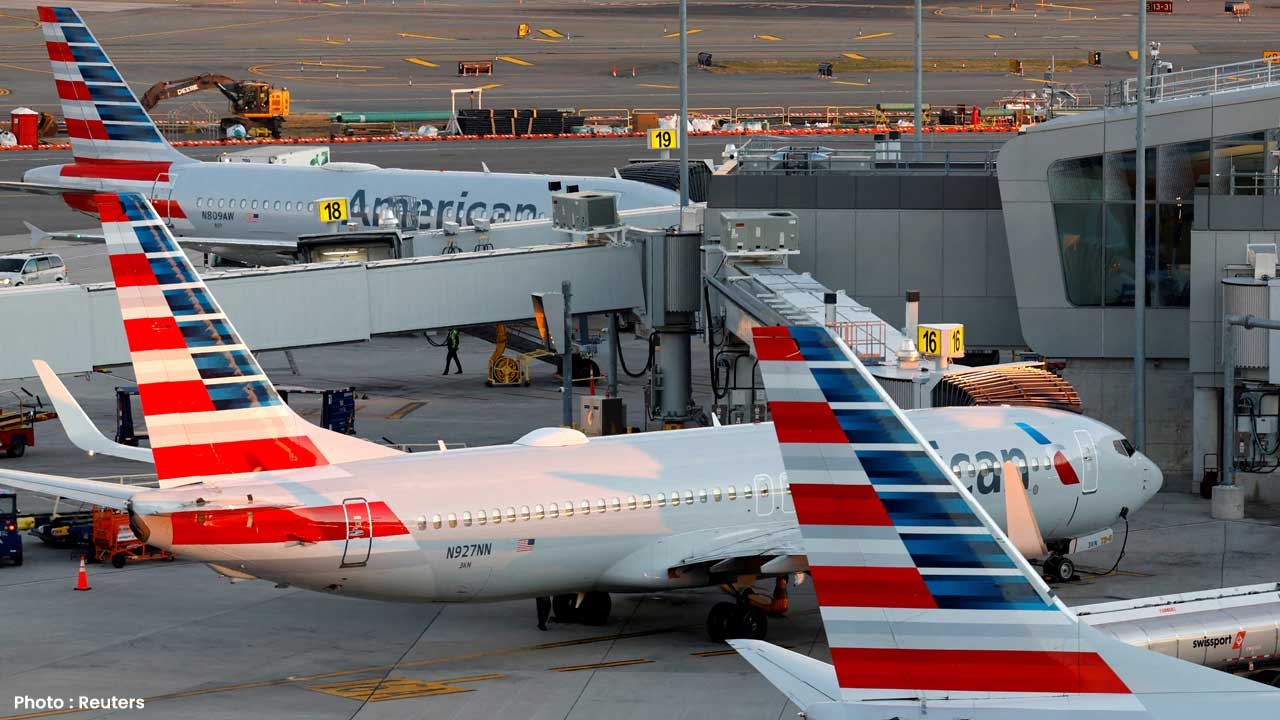
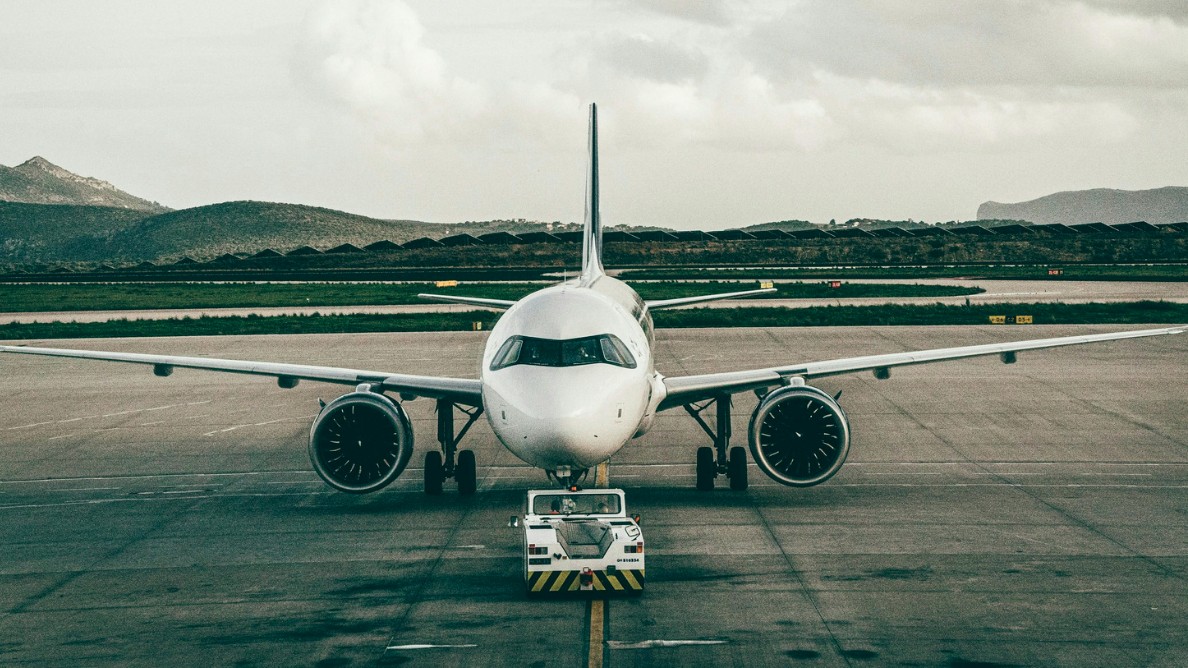
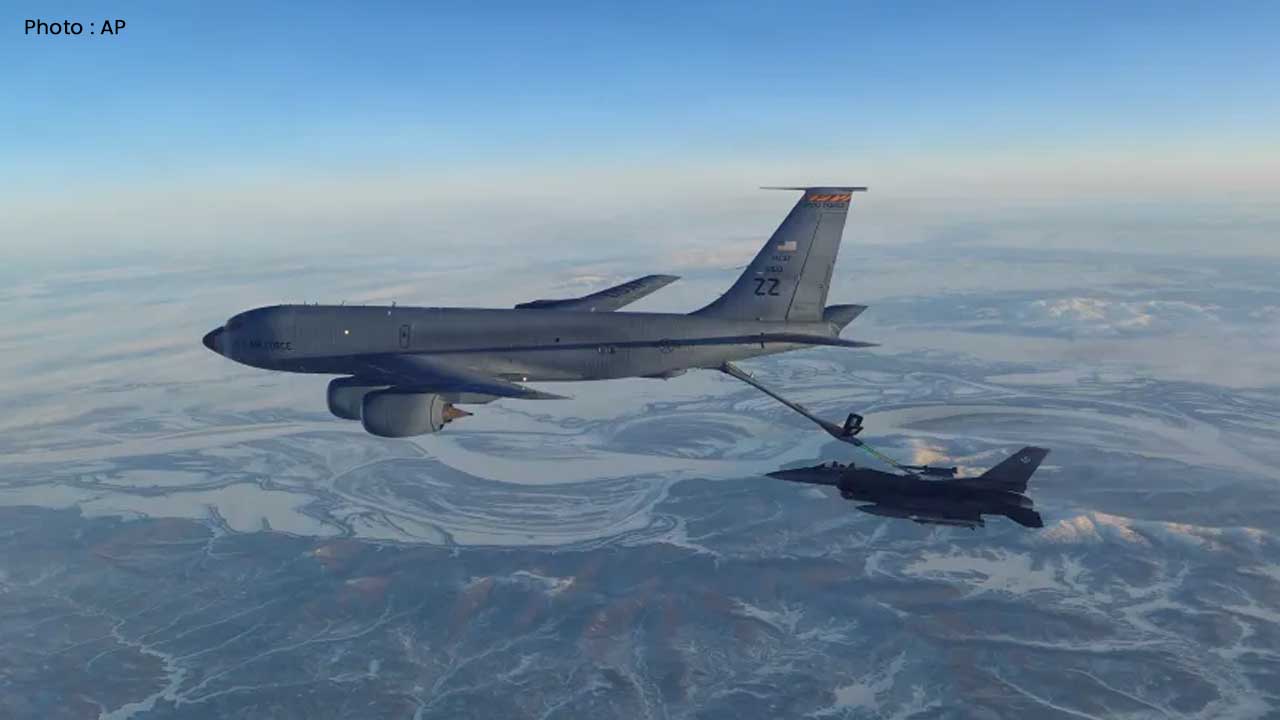
The United States will reduce flight schedules by about 10% at 40 major airports starting Friday as the federal shutdown moves into its 36th day, a step that has thrown travel plans into disarray and left countless passengers scrambling for alternatives.
Transportation Secretary Sean Duffy announced the measure on Wednesday, pointing to acute shortages of air traffic controllers and TSA screeners — many of whom have been working without pay since October 1 — as the driving factor behind the decision.
“This choice was made out of necessity,” Duffy said, adding that dwindling staff and growing fatigue among frontline workers forced regulators to prioritize safety over schedules.
Air Traffic Chaos Looms
The shutdown, now the longest in modern history, has already produced widespread delays and disruptions. The Federal Aviation Administration reports that roughly 13,000 air traffic controllers and some 50,000 TSA employees remain on the job without regular pay, contributing to morale problems and higher absentee rates.
Data firm Cirium estimates the cuts could remove more than 1,800 daily flights and about 268,000 passenger seats each day. New York, Washington, Chicago, Atlanta, Los Angeles and Dallas are among the hubs expected to feel the greatest pressure.
The FAA warned that if staffing shortages deepen, further limitations could follow — potentially grounding additional services and narrowing available routes.
Airlines React to Flight Reduction
Major carriers including Delta, United, American and Southwest said they are assessing the government’s directive and preparing contingency plans to limit disruption for customers.
“We are coordinating with federal authorities to understand the impact and to help passengers where we can,” a spokesperson for Airlines for America, the industry trade group, said.
Analysts caution that extended reductions would hit airline revenues hard. Shares of major US carriers slipped roughly 1% in after-hours trading following the announcement.
Political Deadlock Deepens
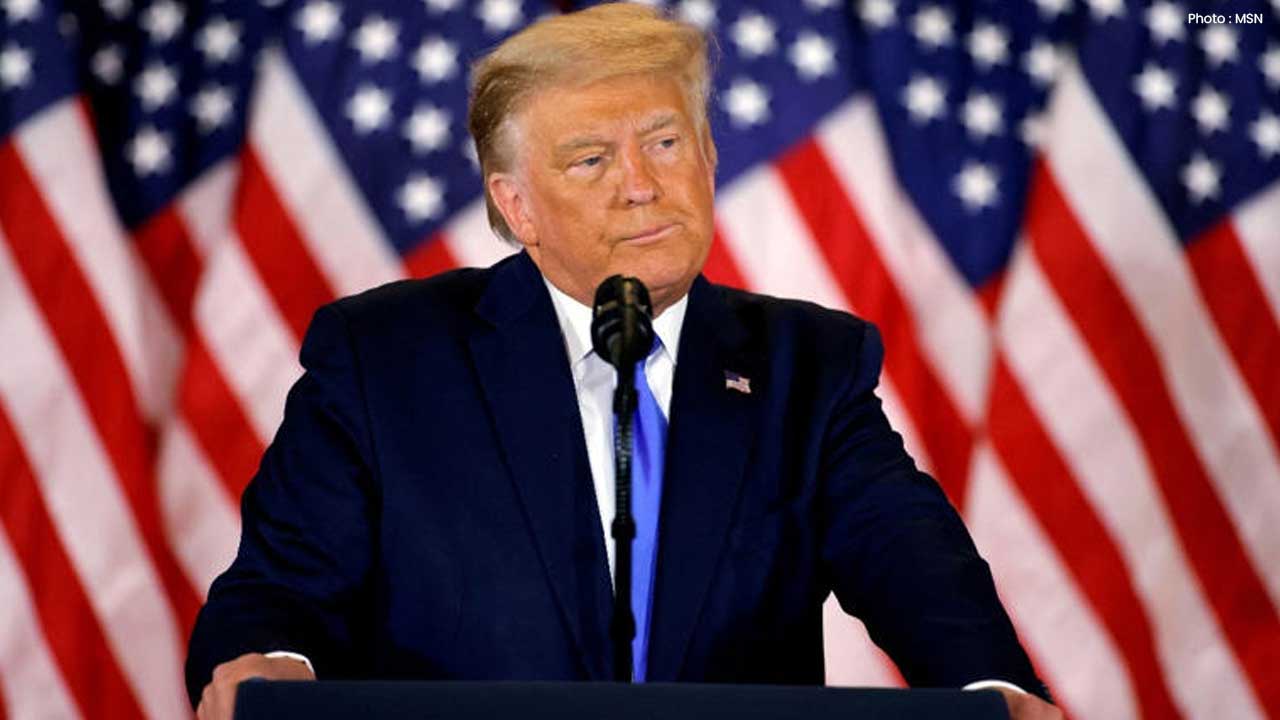
The shutdown stems from a funding standoff in Congress. Democrats have resisted bills that remove health insurance subsidies, while Republicans — with support from President Donald Trump — have pushed back, emphasizing the disruption caused by the closure to try to force concessions.
The impasse has left some 750,000 federal workers furloughed and disrupted services relied upon by low-income Americans, including food assistance programs.
Aviation Safety at Risk
FAA Administrator Bryan Bedford said staffing shortfalls are severe, with between 20% and 40% of controllers at the busiest airports failing to report for duty because of financial strain. “The system is experiencing serious stress,” he warned.
Secretary Duffy cautioned that a continued shutdown could escalate into broader aerial disruption and even require temporary closures of portions of national airspace. The Transportation Department also said space launches will be restricted to specific time windows to ease pressure on control personnel.
Passengers Left in Limbo
Industry estimates put the number of travellers affected so far at more than 3.2 million through cancellations and delays. Across the country, passengers have encountered long security queues, missed connections and sudden schedule changes.
While airlines are trying to reassure customers, experts warn that prolonged service reductions could erode consumer confidence and dent holiday travel bookings if the shutdown persists into the winter season.