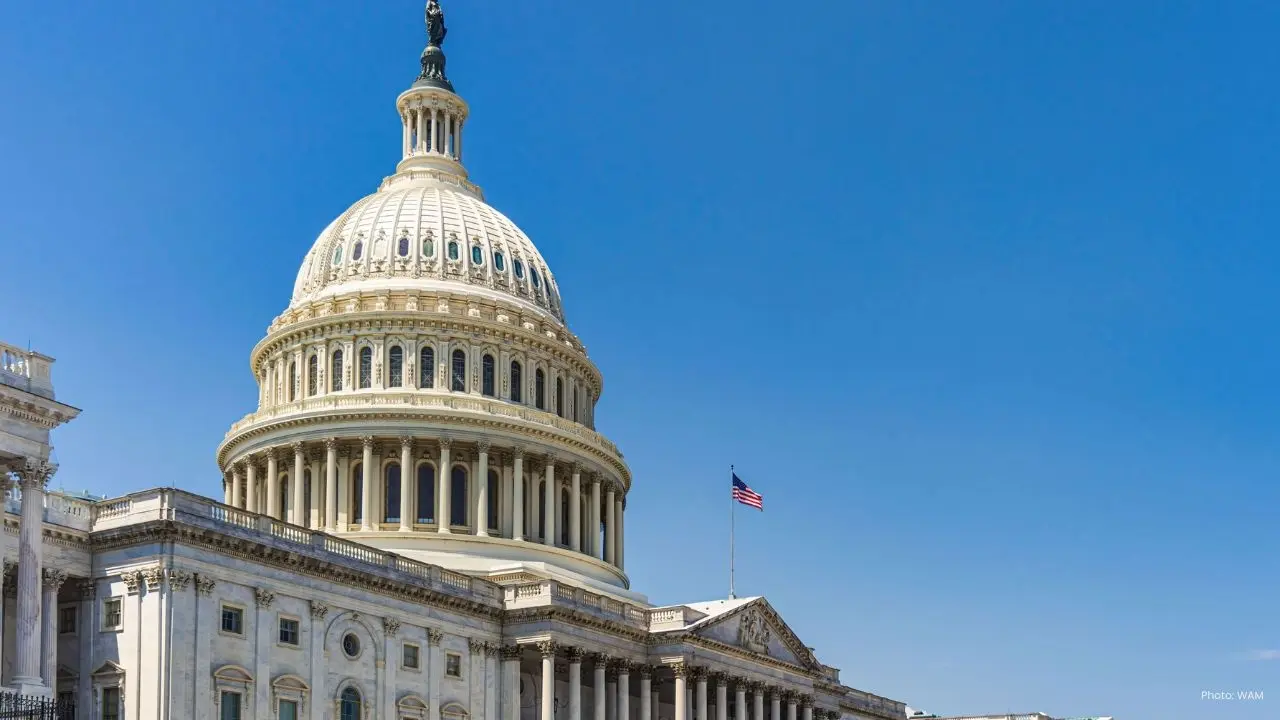
On Wednesday, the United States Senate enacted a substantial defence budget, authorizing $900.6 billion for the fiscal year 2026. Known as the 2026 National Defence Authorisation Act (NDAA), this framework dictates the allocation of funds for military programmes, troop compensation, weaponry, research, and other pivotal national security initiatives.
After extensive discussions between both legislative parties, the bill was passed with a substantial 77–20 vote, indicating wide-ranging bipartisan endorsement. This signifies that members from both the Republican and Democratic parties recognized the critical nature of the bill for national security.
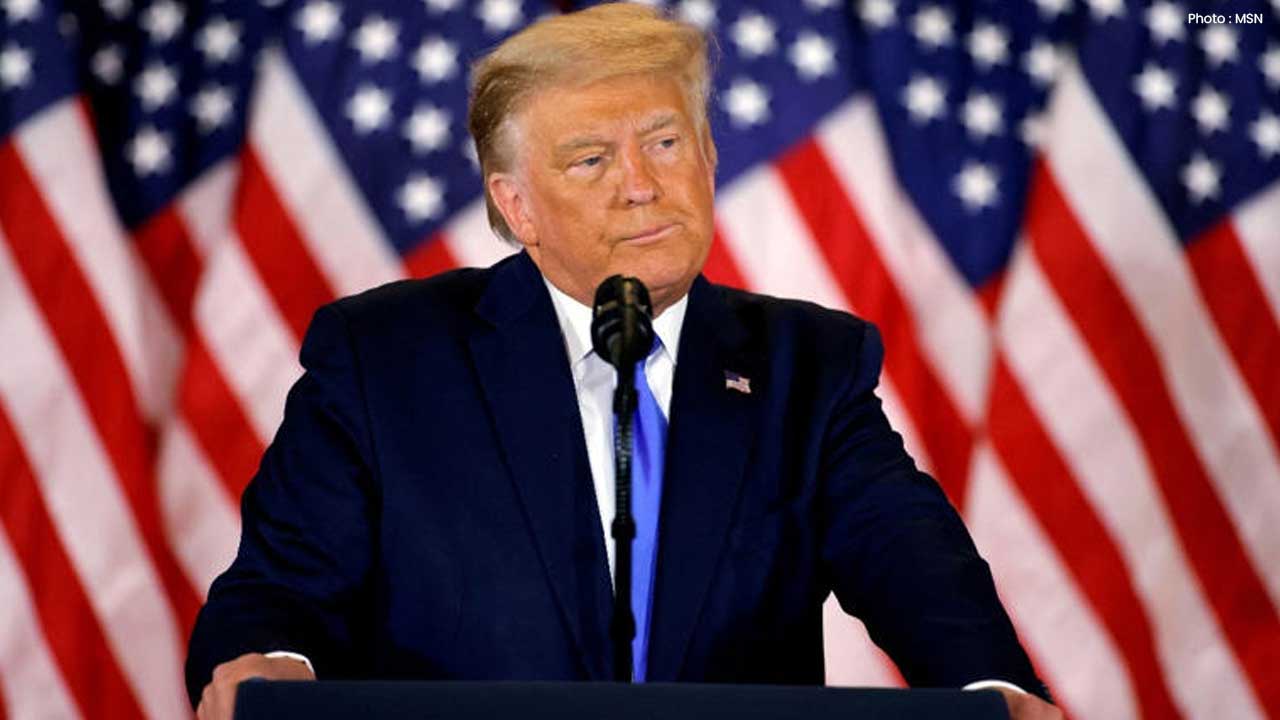
Earlier, on December 10, the House of Representatives had also approved the bill. The last step lies with President Donald Trump, who has expressed his intention to sign this significant legislation. Following his signature, the NDAA will become legally binding.
Components of the $900.6 Billion Budget
This large budget will address several crucial domains:
1. Military Operations and Readiness
A significant portion of the funding is earmarked to sustain and enhance the readiness of the US Armed Forces, which comprises:
-
training exercises
-
deployment assistance
-
equipment upkeep
-
logistics and supplies
This ensures that US forces remain poised for any global threats and emergencies.
2. Modern Weaponry and Technology
The act also facilitates the upgrading and development of advanced military technologies, potentially encompassing:
-
state-of-the-art aircraft
-
missile defense frameworks
-
naval vessels
-
cybersecurity innovations
-
artificial intelligence advancements
This initiative aims to maintain the US military's modern competence in the face of global competitors such as China and Russia.
3. Funding for Troops and Benefits
The NDAA also addresses the essential requirements of military personnel. It includes:
This guarantees that service members and their families receive adequate financial and emotional support.
4. Global Security and Alliances
Funding will also bolster:
The US seeks to fortify strategic relationships and reinforce its influence in regions like Europe and Asia.
The Importance of This Bill
The annual defence authorisation bill not only outlines military expenditure limits but also delineates budget allocation, sets defence strategy priorities, and updates military regulations.
The 2026 bill holds special significance amid escalating global tensions, advanced technologies, and the necessity to safeguard national interests.
Bipartisan Consensus in the Senate
The 77–20 vote demonstrates the commitment of both major political parties to national security. Although debates arose concerning certain policy aspects, the ultimate vote indicated a unified front on sustaining US military strength.
Senators who stood in favor emphasized the need to:
Opponents mainly voiced concerns over high spending levels and particular policy inclusions.
Expected Signature by President Trump
The subsequent phase involves the bill reaching President Donald Trump, who has indicated his intention to endorse it. His signature will officially enact the bill into law.
Upon signing, the Department of Defence will commence planning and allocating funds for the upcoming fiscal year.
Significance for US National Security
The passage of this bill conveys several pivotal messages:
-
the US commitment to robust defence
-
military modernization takes precedence
-
benefits for troops and veterans will be established
-
the continuity of global alliances is vital
This further illustrates that despite political divisions, lawmakers can find common ground in national security matters.
Next Steps
Following the President's endorsement:
-
distribution of funds among various departments
-
launching new defence ventures
-
strengthening existing initiatives
-
implementing troop benefits
Moreover, the bill will chart the course for defence strategy in the years ahead.
The Senate's approval of the $900.6 billion defence budget represents a crucial stride in defining the nation's defence policies. The bipartisan vote underscores strong national backing for security measures and military advancement. With President Trump poised to sanction the bill shortly, the United States is gearing up for a future marked by technological advancement, readiness, and global collaboration.
This landmark budget reaffirms the commitment to keep the US military robust, advanced, and ready to tackle global challenges in the coming years.