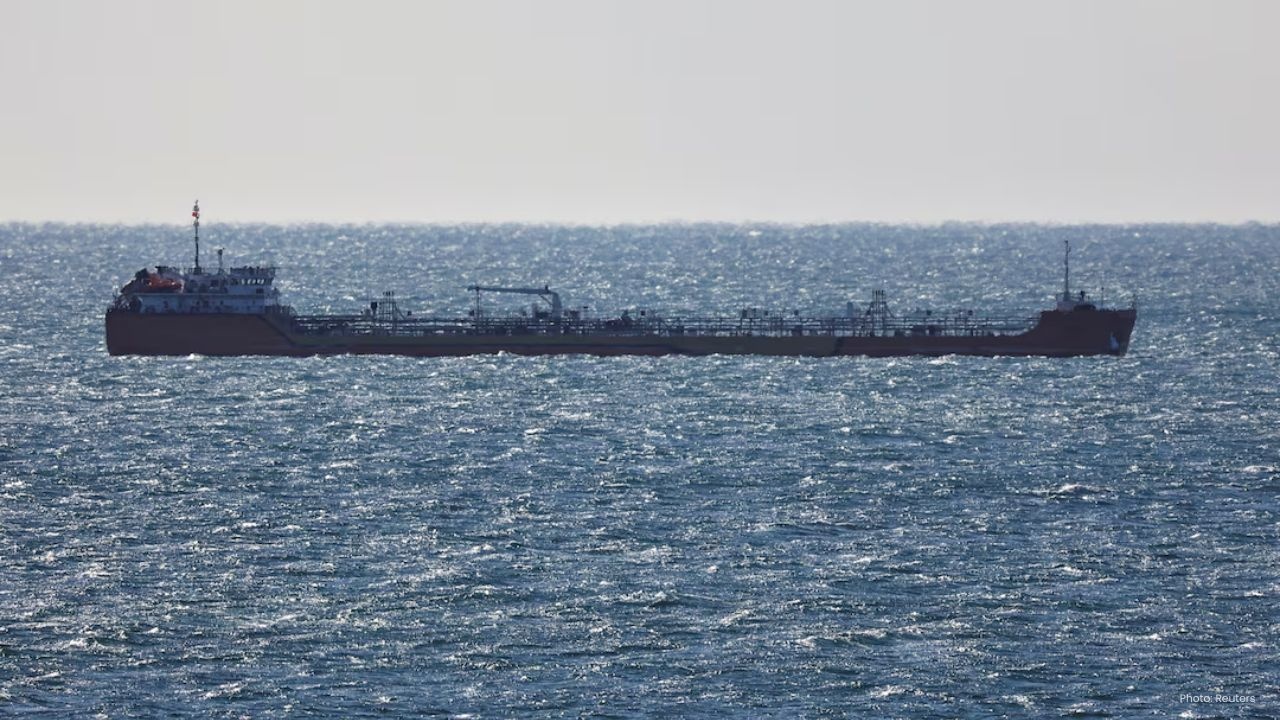
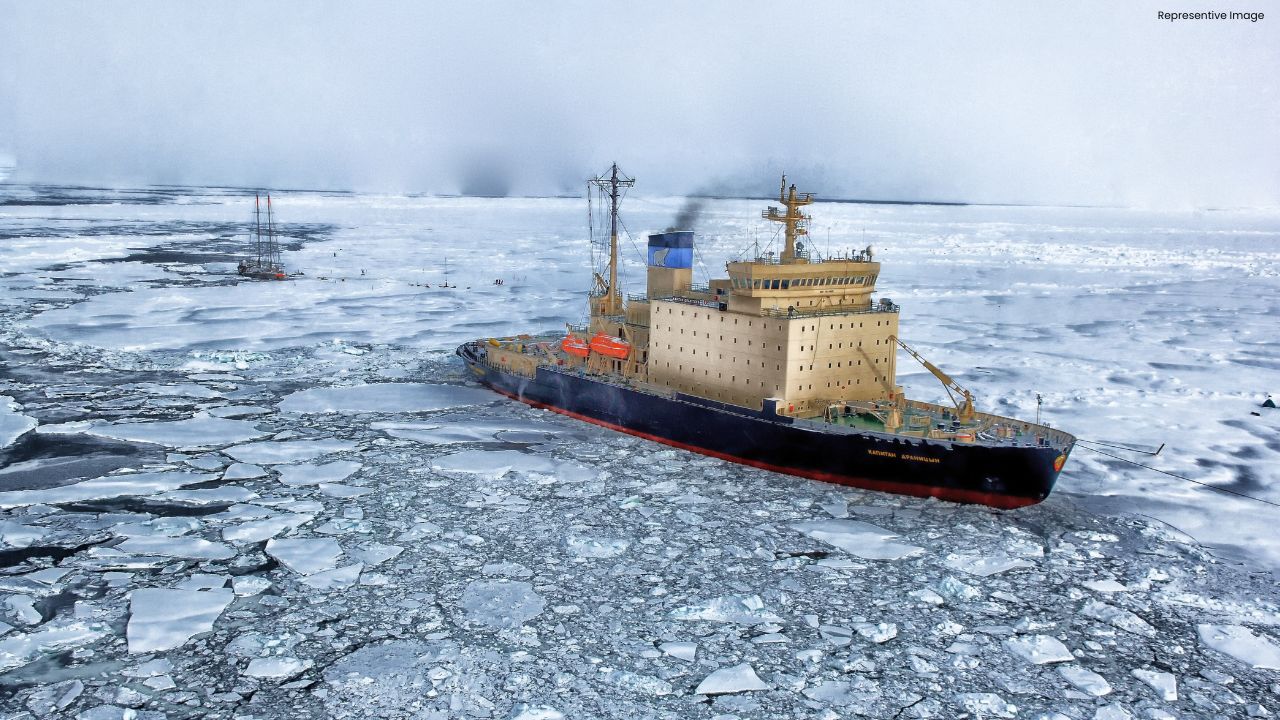
A new wave of US sanctions, effective from Friday, has dramatically altered global oil movements, putting nearly 48 million barrels of Russian crude at risk of remaining stranded at sea. Tankers loaded with cargo from Rosneft and Lukoil are now dispersed across international waters, many lacking confirmed destinations as buyers scramble to comply with the new regulations.
These sanctions represent Washington’s latest effort to cut revenue to Moscow amidst ongoing conflicts, leading to significant shifts in trade routes. Asian refineries, particularly in India, are racing to secure alternative sources, resulting in a sharp increase in demand for Middle Eastern oil. This sudden uptick has driven freight rates on critical routes to nearly five-year highs, highlighting the urgent need for replacement supplies.
Analytics from Kpler indicates that millions of barrels of Russian Urals and ESPO types are caught either in transit or loading phases, with approximately 50 tankers initially designated for China and India. However, many of these vessels are now either idling, rerouting, or delaying their arrival as intermediaries continue to distance themselves from sanctioned shipments. The diversity of locations, from the Baltic to the South China Sea, illustrates the extent of disruption.
Nevertheless, Russia continues to export its crude at a robust pace of approximately 3.4 million barrels daily, seemingly undeterred by the turmoil. Global benchmark prices have thus far remained stable, suggesting traders anticipate market adaptations, despite observable short-term volatility.
Yet, even major customers like China and India are adopting a cautious approach. The two nations, which have taken in most discounted Russian crude since 2022, are now increasingly wary of potential secondary sanctions affecting banking, insurance, and logistical operations. Refineries are scrutinizing incoming shipments more carefully, inducing fresh uncertainty for cargoes on their way.
Some tankers that recently altered their routes have recommenced their journeys toward India. For instance, the Spirit 2, carrying around 730,000 barrels of Urals, turned back near the Suez Canal earlier this month before re-signaling for India. The Furia, another Aframax vessel with a similar cargo, also switched its course after initially heading outward from the Baltic but is now moving towards India.
Other examples reflect how rapidly trading patterns are being modified. The Cindy, laden with approximately 770,000 barrels of ESPO crude from Kozmino, is now navigating near Singapore and Malaysia, an area famous for ship-to-ship transfers that obscure oil origins. In addition, the Fortis, originally meant for China, redirected to South Korea’s Yeosu after making an unusual mid-voyage transfer close to India.
The upcoming days will reveal how much of Russia's stricken crude manages to secure a destination. Currently, the oil market is under pressure, with buyers hustling, sellers adapting strategies, and numerous tankers finding themselves caught between changing political dynamics and commercial realities.