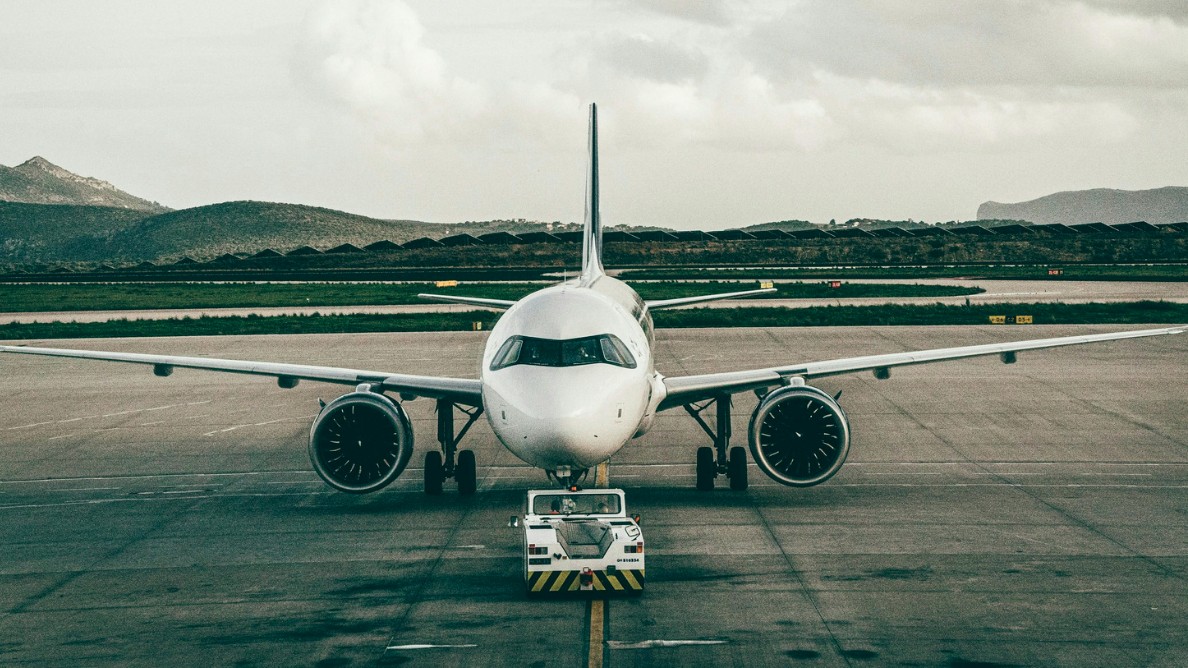
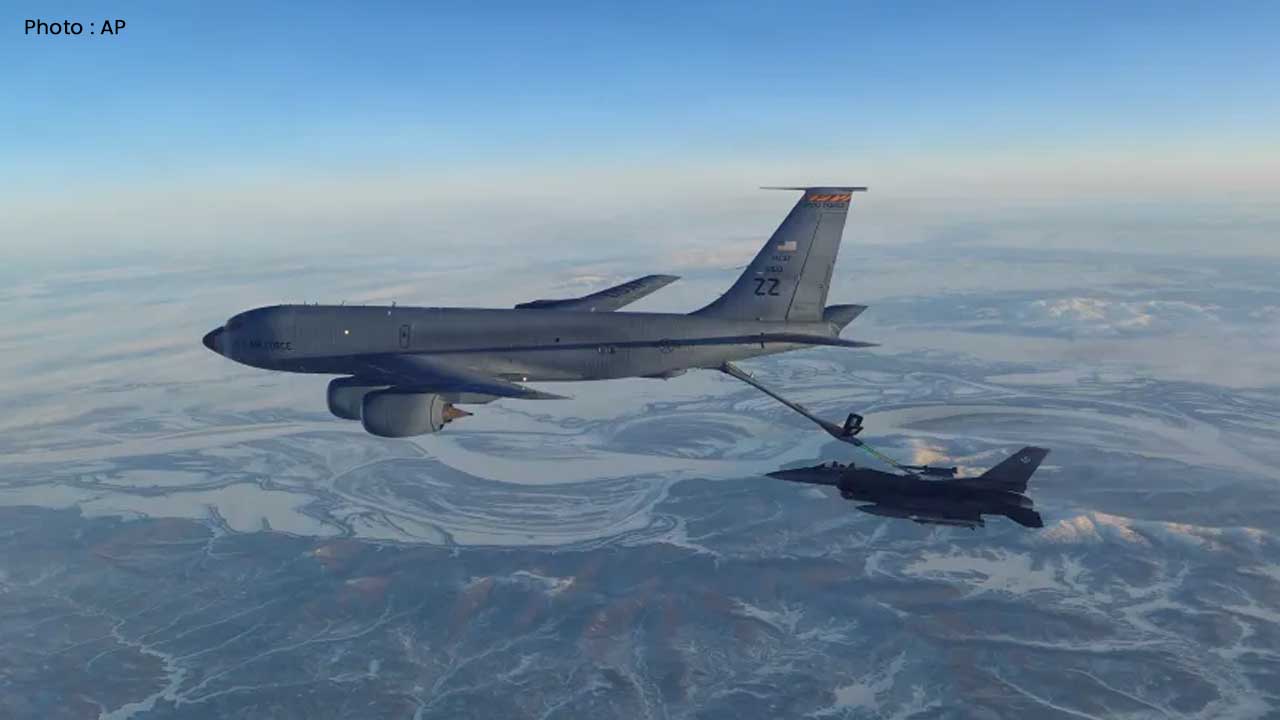
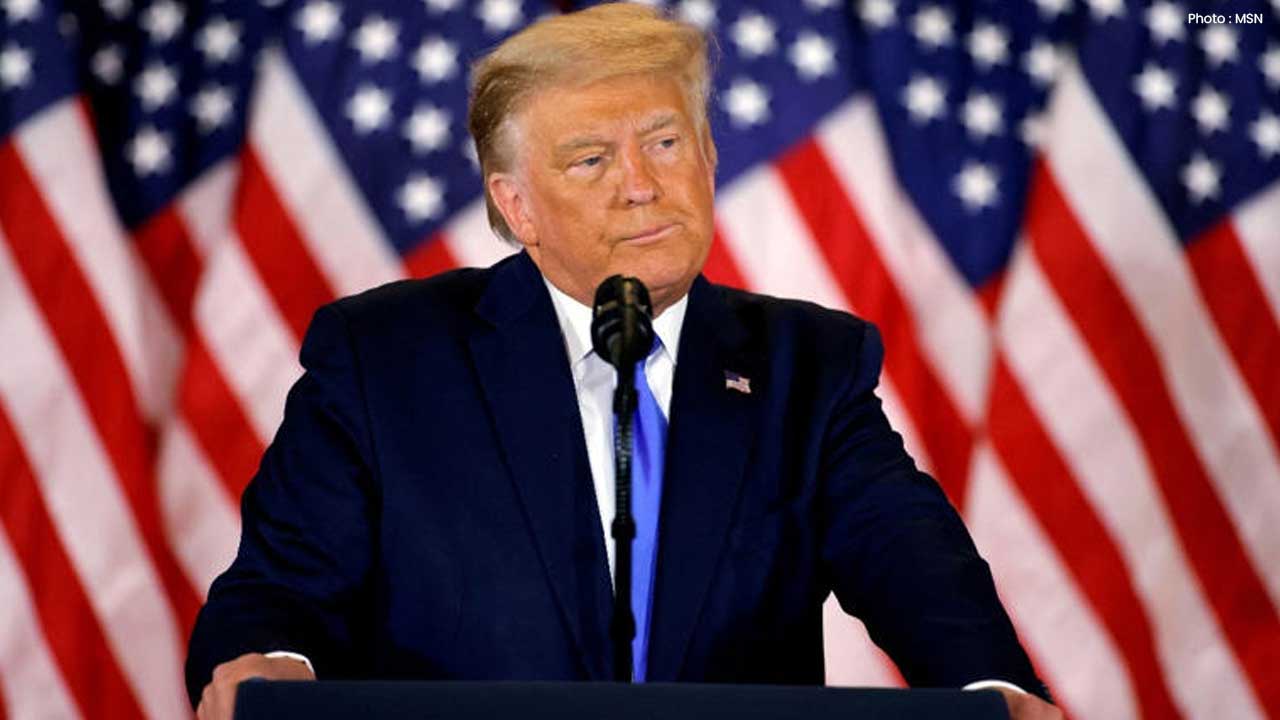
Trinidad and Tobago has granted permission for United States military aircraft to utilize its airports, sparking worries over a potential escalation in tensions with Venezuela. Situated just 12 kilometers from the Venezuelan coast at its nearest point, the islands have voiced their backing for President Donald Trump’s initiatives to apply military and economic pressure on Caracas.
The foreign ministry of Trinidad announced that this approval enables Washington to use local airports for logistics purposes such as supply replenishment and personnel rotations. Prime Minister Kamla Persad-Bissessar confirmed Trinidad’s collaboration with the US as it enhances its military footprint within the Caribbean.
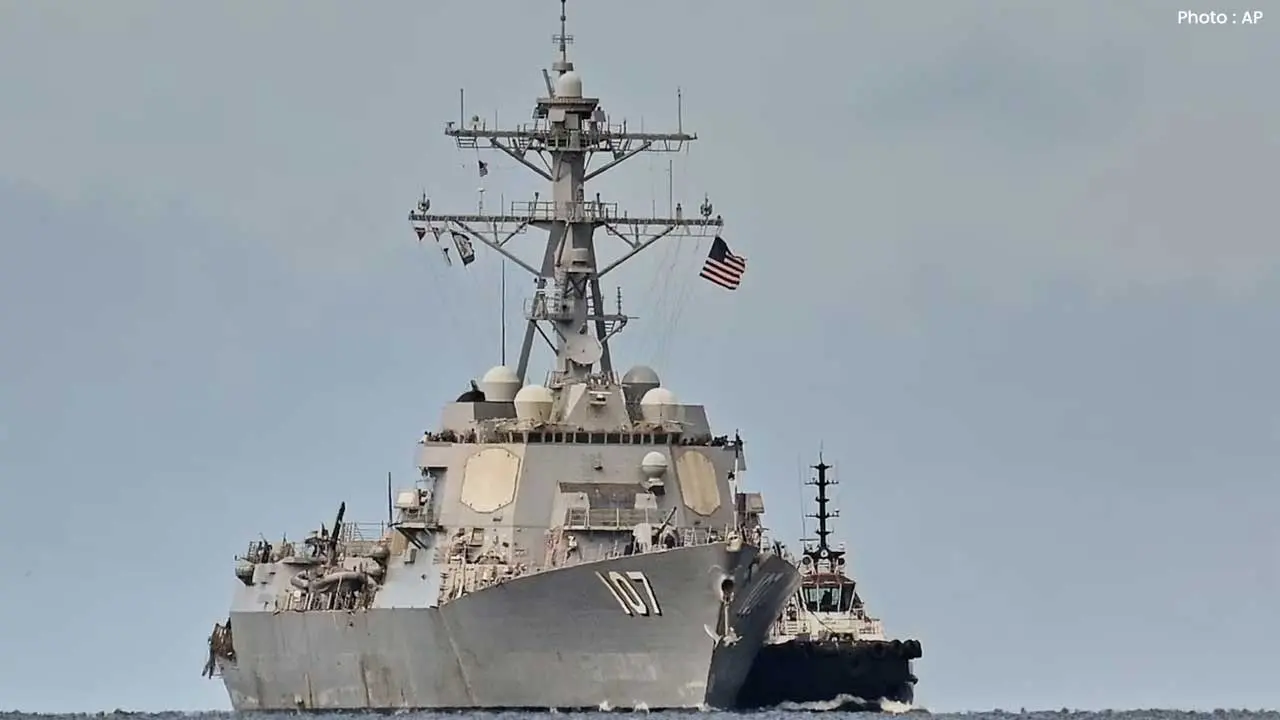
US officials assert that these maneuvers target narco-terrorists; however, experts believe the actions also indicate an intensifying pressure on Venezuela and its leader, Nicolas Maduro, whom the US does not regard as a legitimate ruler. In October, a US guided missile destroyer docked near Trinidad for joint exercises within striking distance of Venezuela. Furthermore, US Marines engaged in joint drills across the islands last month.
The US has bolstered its surveillance capabilities by establishing radar at a new airport in Tobago. This system aims to track Venezuelan drug trafficking and prevent sanction-violating oil shipments. Nevertheless, Caracas has criticized Trinidad and Tobago’s partnership with the US, accusing it of complicity in what they term the “theft” of Venezuelan oil following US forces' seizure of a tanker allegedly breaching sanctions. Venezuela condemned this operation as an act of international piracy.
Vice President Delcy Rodriguez of Venezuela rebuked Prime Minister Persad-Bissessar for following a “hostile agenda” towards Venezuela, asserting that Caracas would cease natural gas exploration with its neighbor. In response, Trinidad's Foreign Minister Sean Sobers defended the government’s actions, stating they are essential for maintaining regional safety and security and highlighting the commitment to protect both Trinidad and Tobago and the broader Caribbean region.
As tensions escalate, Trinidad and Tobago’s strategic position is becoming increasingly vital for US military operations in the Caribbean, particularly in light of the growing confrontation between Washington and Caracas over oil trade, sanctions, and regional clout. Analysts suggest that this ongoing military collaboration underscores the rising stakes for stability and security in the Caribbean.