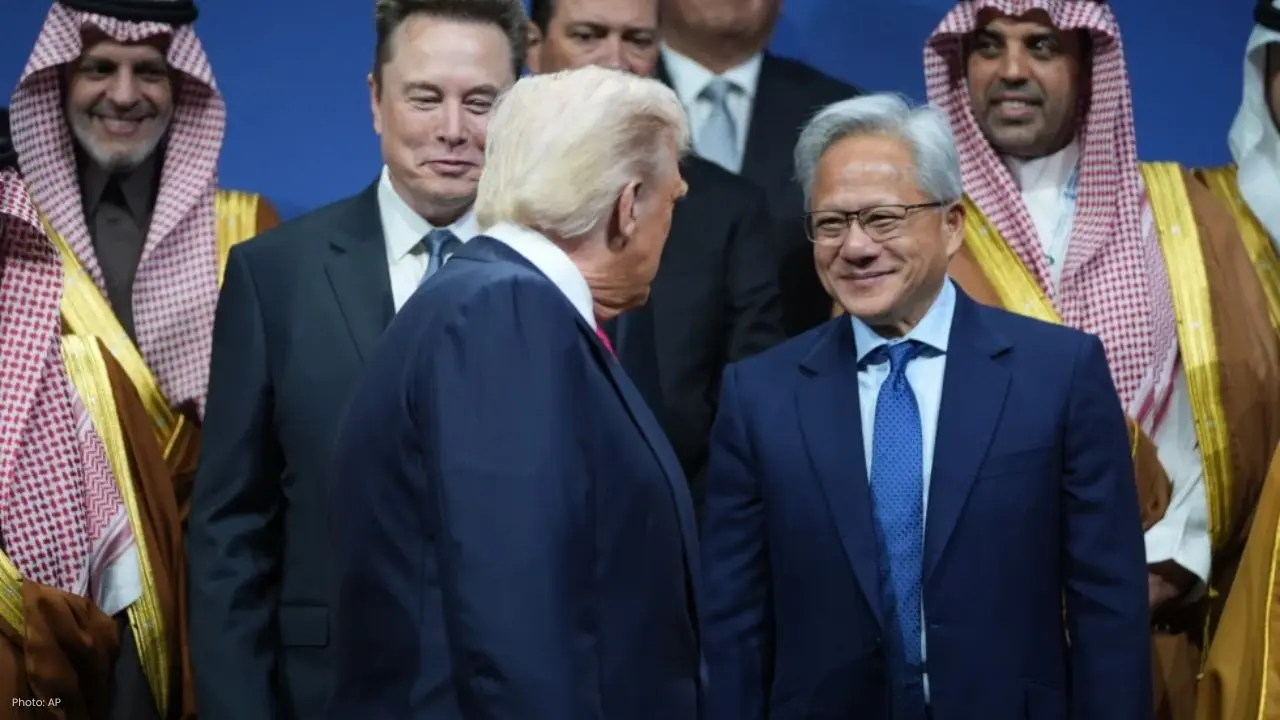
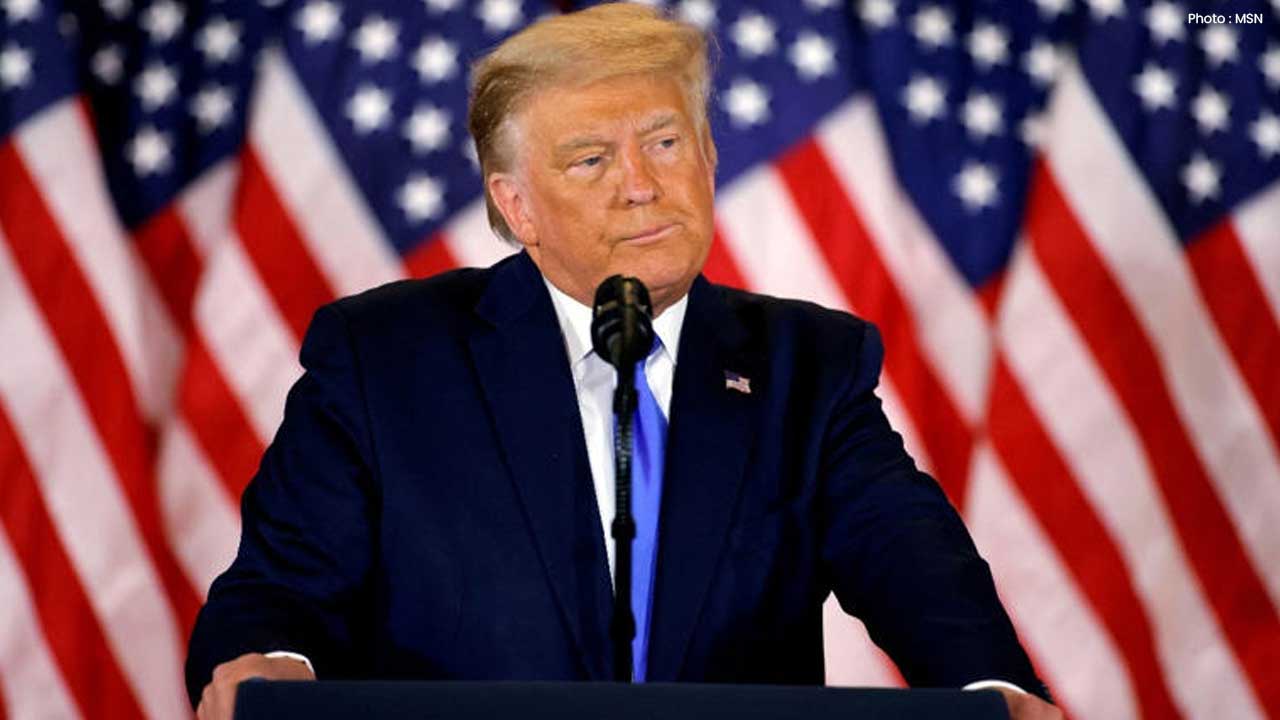
In a significant shift for the AI chip landscape, former President Donald Trump has given the green light for Nvidia to sell its cutting-edge H200 chips to “approved customers” in China. This announcement arrives after months of heightened scrutiny on technology exports, following persistent efforts from Nvidia CEO Jensen Huang.
Previously restricted from entering China due to national security fears, the H200—just a step below Nvidia’s premier Blackwell chip—marks a change in US regulations. Trump’s latest policy allows designated Chinese companies to obtain high-performance AI semiconductors, with ongoing oversight from the Department of Commerce.
Nvidia welcomed this decision, stating it would bolster American manufacturing and create lucrative jobs while preserving a competitive edge in the global AI market. Following this development, Nvidia’s stock saw a modest uptick.
This new approach not only pertains to Nvidia but also includes other US semiconductor manufacturers like AMD. Trump had previously implemented a 15% tax on Chinese revenues from such sales, although his social media comments later suggested a potential increase to 25%, indicating some uncertainty regarding financial specifics.
As for China, the nation has previously restricted its tech firms from acquiring Nvidia’s older chips, pushing them to opt for domestic semiconductor solutions. Gaining access to the H200 could significantly enhance China’s AI sector, although the country remains focused on establishing its chip production independence.
Industry experts argue that the relaxation of high-chip access provides the US with leverage in broader negotiations concerning technology and rare earth supplies with Beijing. Nonetheless, specialists caution that these advanced AI chips could also be utilized for military purposes, presenting intricate strategic dilemmas.
This H200 approval underscores the balancing act the US must perform between encouraging innovation, protecting national security, and addressing global economic challenges, all of which have far-reaching implications for both American industry and international technology dynamics.