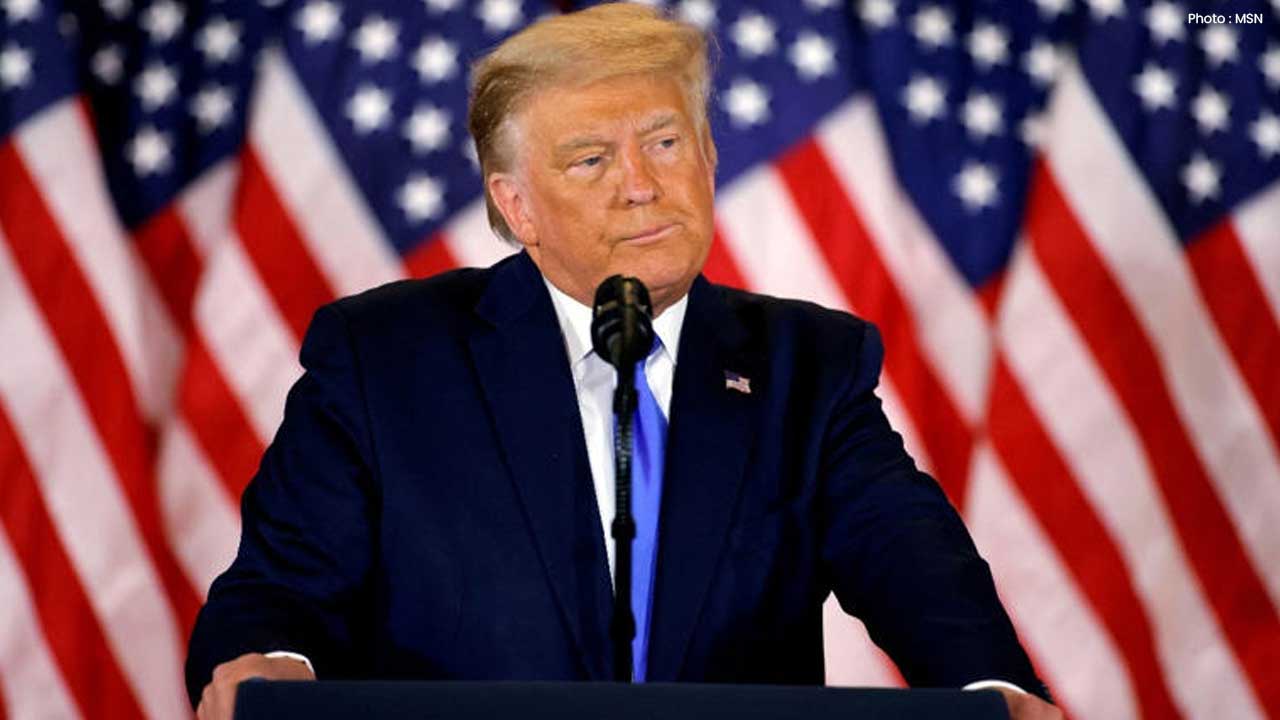
The Trump administration is undertaking a formal review that might enable the first authorized shipments of Nvidia’s H200 chips to China, as reported by multiple sources. This follows President Donald Trump’s recent public assurance to permit selective chip sales to Chinese entities in exchange for a 25% fee to the U.S. government.
Should approval be granted, this could signify a major policy change, opening a new chapter in the ongoing discussion about how the U.S. balances technological security with commercial opportunities in the world’s second-largest economy.
Controversial Shift in Chip Exports
Although the H200 chip is not the absolute latest offering from Nvidia, it remains a robust processor widely utilized for advanced computing models in various sectors. Previously, the H200 was restricted from entering the Chinese market due to past export control measures.
Trump’s inclination to reconsider restrictions has drawn backlash from lawmakers, analysts, and national security advocates who assert that even older U.S. technology could enhance China’s capabilities in military-sensitive areas. Critics warn that such easing could undermine the longstanding competitive edge and dilute the impact of earlier bans designed to stall China's development in semiconductors.
On the other hand, administration supporters contend that allowing regulated shipments could diminish pressures on Chinese companies, including key rivals like Huawei, to hasten their own domestic technology advancements. They argue that providing access solely to less-advanced chips can help maintain strategic advantages while ensuring China remains dependent on U.S. products.
Licensing Review Framework
According to sources, the Commerce Department has dispatched export license requests to three crucial agencies: the State Department, the Energy Department, and the Department of Defense. These agencies are tasked with assessing the security implications, economic impact, and geopolitical factors linked to the proposed shipments.
Under current export regulations, these agencies must respond within 30 days. Should they fail to agree, the final decision will rest with President Trump. Notably, the initiation of this inter-agency review had not been made public prior to these disclosures.
Neither the Commerce Department nor Nvidia have provided comments on this development, and the White House declined to offer specific commentary on the review but emphasized its commitment to enhancing U.S. technological leadership while safeguarding national security.
High Demand from China and Nvidia’s Manufacturing Challenges
There is already significant interest in the H200 from Chinese companies. Nvidia is reportedly considering increasing production due to early inquiries from Chinese clients surpassing current capacity. Concurrently, the firm continues to prioritize its advanced Blackwell chips for markets free from such restrictions.
This potential relaxation of rules comes as Nvidia plays a pivotal role in the global competition for advanced computing. Even though the H200 is slightly older technology, it possesses the computational power needed for demanding applications across various industries.
Change from Trump's Initial Position
This consideration contrasts sharply with Trump’s previous policies during his first term, which were characterized by a stringent crackdown on Chinese access to U.S. technologies. His administration maintained that China was exploiting commercially obtained technologies for military and strategic gain and frequently accused them of intellectual property theft—claims that China refuted.
Several senior officials involved in the current discussions, including White House technology adviser David Sacks, have adopted a more pragmatic viewpoint. They believe that carefully controlled exports, combined with a revenue-sharing mechanism benefiting U.S. Treasury, can support domestic companies while influencing China's dependency on American products.
Heightened National Security Debate
The proposal has ignited significant debate in Washington. Lawmakers opposing the move cautioned that even older chips could provide China with meaningful enhancements in computing power. Detractors fear that these technologies could be repurposed for defense or state-sponsored projects, and any relaxation could jeopardize years of bipartisan efforts to prevent U.S. technology from aiding China’s military advancements.
Supporters, however, argue that total isolation is impractical and may backfire, potentially accelerating China's local chip production. They contend that strategic engagement with strict oversight may prove more effective than outright bans, particularly if it keeps U.S. firms competitive and slows the rise of alternatives within China's tech sphere.
Economic and Strategic Considerations
The stakes are immensely high for Nvidia. China represents a massive potential market, and even limited access could yield substantial revenue. At the same time, U.S. policymakers are tasked with reconciling the possible economic gains against long-term security risks.
If licenses are granted, the U.S. may establish a precedent for distinguishing between various chip generations—allowing older versions while keeping advanced technologies under ban. This delicate balancing act might shape future policy regarding semiconductors, especially as global demand for high-performance computing surges and governments seek greater control over their supply chains.
The inter-agency review marks merely the beginning. In the coming month, policymakers will assess technical specifications, end-user risks, and potential safeguards. Beijing’s response remains another unknown; it’s uncertain if China would agree to purchases linked to a 25% government fee.
For now, these developments highlight a significant shift in the administration’s strategy: rather than imposing blanket restrictions, the U.S. is exploring a model that aims for economic gains while maintaining essential guardrails. How effective this approach will be in addressing security concerns or fostering compromise in the larger U.S.–China tech rivalry remains to be seen.
As the review progresses, businesses, regulators, and international markets will be observing closely. The outcome could impact not only the future of U.S.–China technological trade but also shape American semiconductor policy for several years to come.