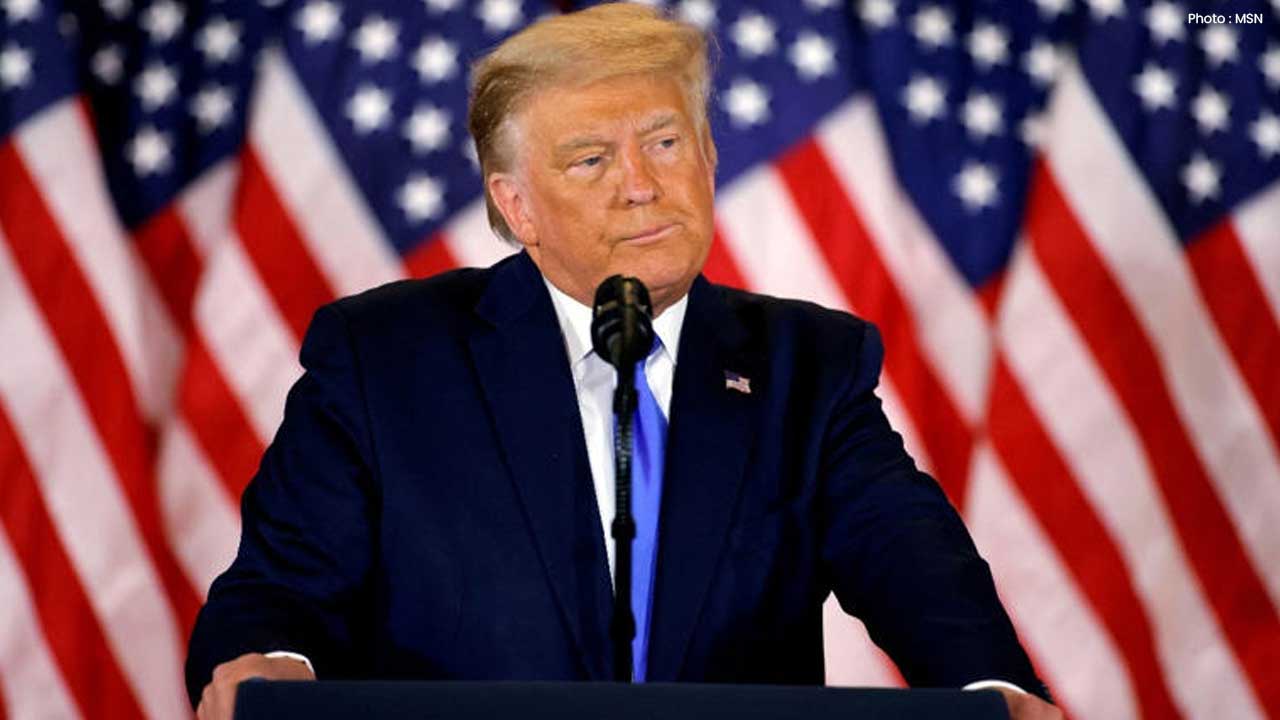
The U.S. has approved a significant arms package to Taiwan, valued at over $10 billion. This deal encompasses advanced military technologies, including missiles, howitzers, and drones. The decision is anticipated to provoke strong objections from China, which vehemently opposes external military support for Taiwan.
Details of the Arms Package
Revealed by the State Department in a statement following President Donald Trump's announcement, the deal comprises eight key components:
-
82 HIMARS rocket systems
-
420 Army Tactical Missile Systems (ATACMS), akin to those sent to Ukraine
-
60 self-propelled howitzer systems
-
Drones exceeding $1 billion in value
-
Military software worth more than $1 billion
-
Javelin and TOW missiles valued at $700 million
-
Helicopter parts amounting to $96 million
-
Harpoon missile refurbishment kits costing $91 million
The combined cost of HIMARS and ATACMS surpasses $4 billion, and the howitzer systems contribute an additional $4 billion.
Rationale Behind the Approval
According to the State Department, this arms deal is vital for U.S. national security interests, aiming to assist Taiwan in modernizing its military infrastructure and strengthening its defense. Officials expressed that the sale will also:
-
enhance Taiwan’s self-defense capabilities
-
promote regional political stability
-
maintain a military equilibrium in the surrounding area
-
encourage economic advancement
As mandated by U.S. law, America has a responsibility to aid in Taiwan's defense—a commitment that has increasingly incited controversy due to rising Chinese military pressure on the island.
China's Reaction
China regards Taiwan as an integral part of its territory and has signaled potential military action to unify the island with the mainland. In response to the arms deal, the Chinese embassy in Washington condemned the legislative actions.
China criticizes the U.S. for:
-
inflating the "China threat" narrative
-
provocatively supporting Taiwan's military
-
interfering in China’s sovereign development
-
harming U.S.-China relations
Taiwan's Response
In a statement, Taiwan’s Defense Ministry expressed gratitude towards the U.S., asserting that the sale reinforces Taiwan's defense and averts warfare. Taiwan's Foreign Minister lauded the enduring support from the U.S.
Taiwan anticipates that increased military spending will:
-
be imperative for maintaining peace
-
safeguard the Taiwan Strait
-
deter possible aggressions
To this end, Taiwan plans to boost its defense budget to 3.3% of GDP next year, with a target of 5% by 2030. Recently, President Lai Ching-te announced a $40 billion special allocation for defense, which includes the introduction of a new air defense system named Taiwan Dome.
Political Context
This arms sale aligns with upcoming U.S. legislation likely to be ratified soon. The National Defense Authorization Act proposes stringent limitations on China alongside enhanced military assistance for Taiwan—an initiative protested vocally by China.
The U.S. Senate passed this pivotal legislation on Wednesday, with President Trump expected to endorse it.
This substantial $10 billion arms transaction fortifies U.S.-Taiwan relations and augments Taiwan’s defense capabilities, albeit escalating tensions in U.S.-China dynamics. The deal could reshape future diplomatic ties, security arrangements, and military stability in Asia.