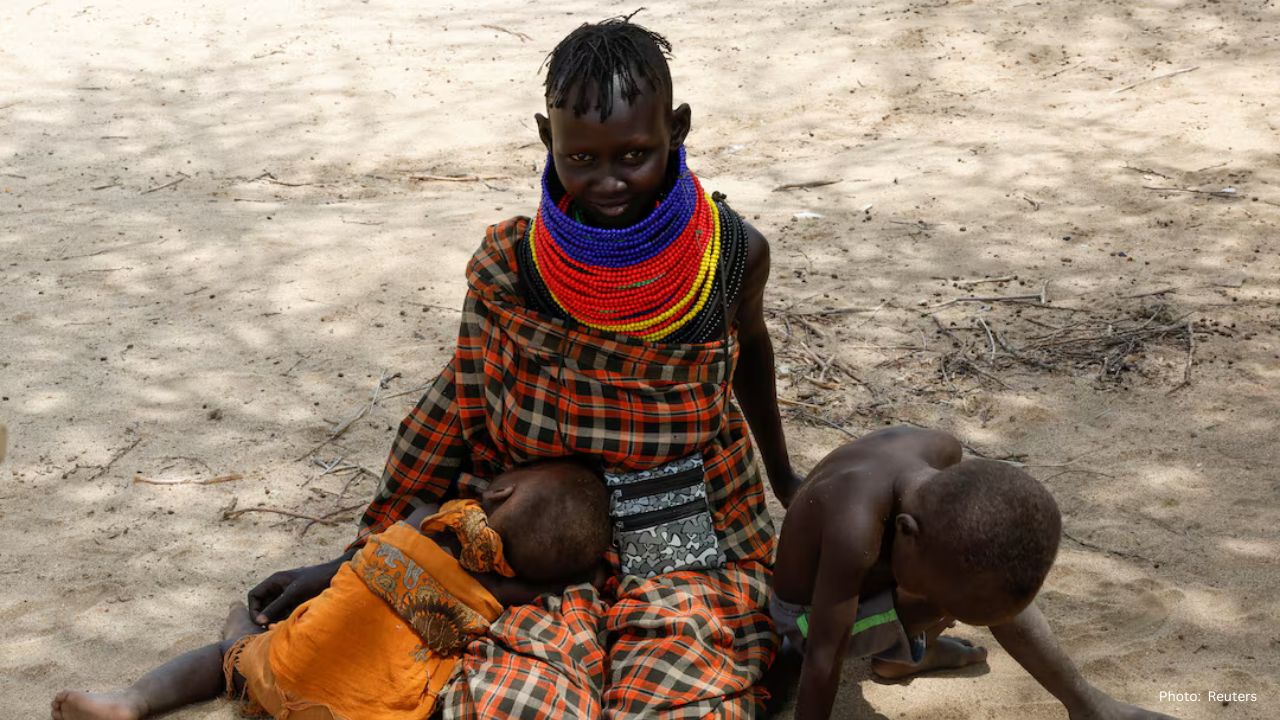
The plight of children in northern Kenya grows increasingly desperate as the availability of treatment for severe malnutrition dwindles. Families historically reliant on a steady stream of nutrient-rich therapeutic food now face barren clinic shelves and prolonged waits, a direct consequence of significant U.S. aid reductions earlier this year. The effects are particularly severe in Turkana, a region grappling with extreme drought, conflict, and livestock loss.
Four-year-old Peter Lokoyen embodies the struggle many families face. Initially optimistic about his recovery thanks to a peanut-based therapeutic paste, Peter’s health declined when supplies at the clinic ran out in July. Without alternatives, his family survives by foraging wild fruit during these harsh conditions. By late October, Peter's weight plummeted, reflecting a troubling halt in his growth compared to his younger sister.
Health workers in Turkana are sounding alarms over unprecedented shortages. Journalists visiting several clinics found almost uniform scarcity of the critical peanut paste; some facilities reported being out for months. This lack of supplies is causing many parents to forego taking their children for necessary health checkups, leading to rising numbers of unseen malnourished children.
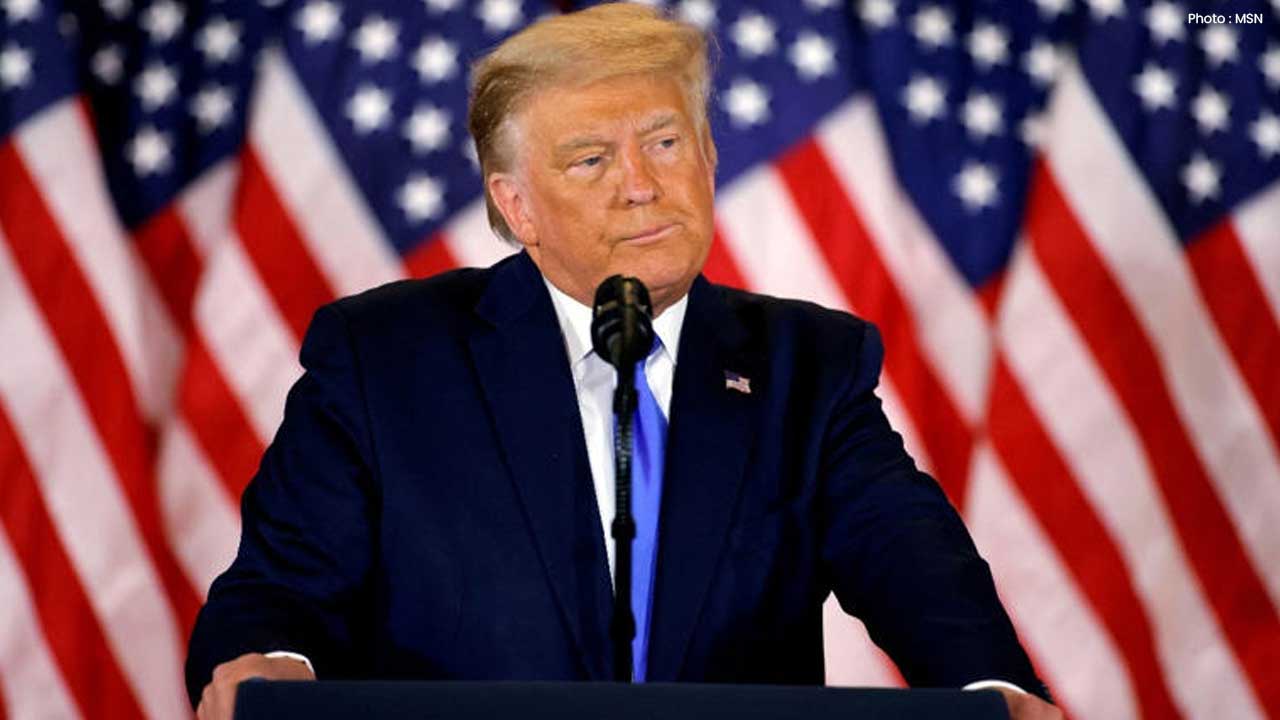
This crisis traces back to significant aid cuts made by U.S. President Donald Trump earlier this year, which included dismantling critical components of the U.S. Agency for International Development. The U.S. had previously funded nearly half of the global therapeutic food supply, and the drastic cuts disrupted production and distribution channels. Although UNICEF reported that funding resumed in March, the resulting delays continue to hinder Kenya’s recovery efforts.
Aid groups have issued stark warnings about the long-lasting effects of missed treatment during pivotal growth periods, potentially resulting in permanent physical and cognitive setbacks. With dire shortages threatening lives, some children in various African nations have already succumbed to lack of treatment.
Kenya’s current troubles signal alarm bells across the continent. Despite being one of East Africa's more stable economies, the resource strains leave many worrying about the well-being of children in nations beset by violence, political unrest, or profound poverty. Approximately 179,000 people in Kenya are currently facing severe hunger, with Turkana being one of the most affected regions. By March next year, over 87,000 young children in the county are anticipated to require treatment for acute malnutrition.
The daily battle for families like Peter’s is daunting. Years of drought have decimated their herd of goats, the family’s primary food source. Their last proper meal was more than a day ago, and stored emergency fruit is their only shield against starvation. Even at his weakest, Peter rouses when he scents the crushed fruit, driven by the instinct to eat whatever he can find.
Health workers express deep emotional distress as they witness empty seats in clinics that were once filled with families seeking care. Previous droughts did not yield such long stretches without crucial therapeutic supplies, deepening community distrust in the health system, making it harder for parents to seek treatment for their children going forward.
While the United States has announced plans for additional funding, including $93 million earmarked for UNICEF to procure therapeutic food for various nations, it may take considerable time before supplies stabilize again. The ensuing delay could be critical for Turkana’s children, as malnutrition during crucial developmental years can permanently impair cognitive growth and future opportunities.
Kenya's government has remained silent about the situation and the implications of U.S. aid cuts. In the meantime, families in distant communities continue to hope for the reinstatement of support before it's too late. For children already weakened by hunger, every day without treatment poses unacceptable risks. The ongoing crisis in Turkana starkly showcases how international political decisions can dictate the fate of the world’s most vulnerable children.