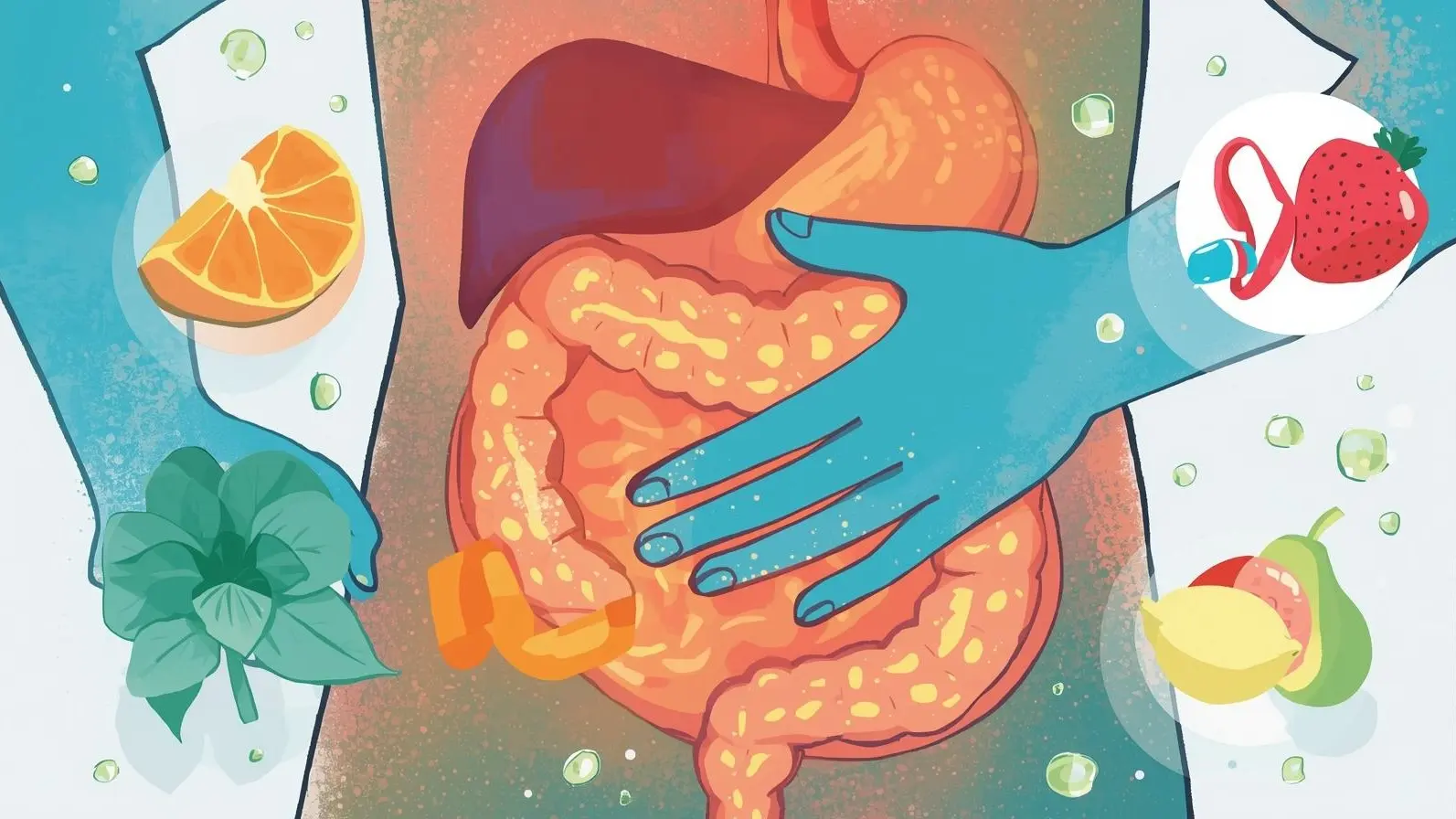
Understanding Digestive Issues and Enhancing Gut Health
Digestive discomfort has transformed from occasional to a prevalent concern for many, with issues such as bloating, acidity, constipation, gas, diarrhea, and abdominal pain becoming common experiences. Such concerns don’t just impact daily comfort; they can influence energy levels, immunity, skin health, mood, and the risk of chronic diseases.
Central to overall wellness is gut health. Impaired digestion hampers nutrient absorption, leads to toxin buildup, escalates inflammation, and weakens the immune system. Identifying the core reasons behind digestive problems is key to implementing sustainable solutions.
This article delves into the fundamental causes of digestive disturbances, illustrates how contemporary lifestyles impair gut functionality, and offers practical, scientifically-backed tips for enhancing gut health.
The Digestive System and Its Impact on Health
The digestive system's primary role is to break down food, extract nutrients, and facilitate waste removal. At its heart is the gut, encompassing the stomach, intestines, and trillions of microorganisms forming the gut microbiome.
A well-functioning gut:
Efficiently processes food
Absorbs essential vitamins and minerals
Maintains a robust immune reaction
Regulates inflammatory responses
Engages with the brain via the gut-brain axis
When the gut's equilibrium is disturbed, digestive issues arise.
Unhealthy Diet as a Leading Factor
Diet significantly influences digestive health.
Impact of Processed Foods
Modern eating habits often consist of packaged foods laden with refined flour, sugar, preservatives, artificial sweeteners, and unhealthy fats. Such diets:
Slow the digestive process
Encourage harmful bacteria growth
Decrease the diversity of beneficial bacteria
Heighten gut inflammation
This accumulation can trigger symptoms such as gas, bloating, and acidity over time.
Importance of Dietary Fiber
Fiber is vital for maintaining gut function and microbial health. A diet low in fruits, vegetables, whole grains, and legumes results in:
Inconsistent Eating Patterns
Irregular meal schedules, such as skipping meals or late-night dining, disrupt digestive rhythms, contributing to:
The Impact of Stress on Digestion
Stress is frequently overlooked as a trigger for digestive trouble.
Effects of Stress
Under stress, our bodies enter a fight-or-flight response, redirecting blood flow away from digestive processes to muscles and the brain. This leads to:
Reduced release of digestive enzymes
Slower gut movement
Boosted acid production
Increased sensitivity in the gut
Chronic stress can exacerbate conditions like IBS, acidity, and functional bloating.
The Connection Between Gut and Brain
The gut and brain communicate continuously through nerve pathways and hormones. Emotional strain can trigger digestive symptoms, even without dietary influences.
Disbalance of Gut Bacteria (Dysbiosis)
The gut microbiome's health is crucial for effective digestion.
Causes of Dysbiosis
Indicators of Gut Dysbiosis
Low Stomach Acid: An Overlooked Issue
Contrary to popular belief, many digestive challenges stem from low stomach acid, not an excess of it.
Importance of Stomach Acid
Stomach acid is essential for:
Breaking down proteins
Eliminating harmful bacteria
Triggering enzyme functions
Low acid leading to:
Bloating after consuming proteins
Symptoms mimicking acid reflux
Nutrient scarcity
Suppressing acidity without addressing underlying causes often complicates digestion.
The Role of Hydration in Digestion
Water plays a critical role in digestive activities.
Consequences of Dehydration
Sluggish bowel movements
Firm stools
Increased risk of constipation
Compromised nutrient absorption
Often, people mistake thirst for hunger, leading to overeating instead of adequately hydrating.
The Impact of Sedentary Habit
Physical activity is crucial for stimulating gut movements.
Consequences of a Sedentary Lifestyle
Delayed intestinal transit
Heightened gas production
Decreased blood circulation to digestive organs
Regular physical activity enhances bowel efficiency and enzyme function.
Food Intolerances That Trigger Digestive Complaints
Some otherwise healthy foods can provoke digestive discomfort.
Common Food Triggers
Medication Overuse and Its Effects on Digestion
Some medications can disrupt the digestive process.
Common Offenders
The Importance of Quality Sleep for Digestive Wellness
Digestive function is influenced by daily rhythms.
Sleep’s Role in Digestion
Natural Ways to Enhance Gut Health
Enhancing gut wellbeing involves steady, not drastic changes.
Adopting a Gut-Friendly Diet
Prioritize whole, minimally processed food sources.
Foods Beneficial for Digestion
Gradual Fiber Rehabilitation
Rapid fiber incorporation can lead to gas buildup.
Optimal Method
Encouraging Gut Bacteria Equilibrium
A diverse microbiome is beneficial for digestion.
Supporting Your Microbiome
Incorporate a variety of plant-based foods
Avoid unnecessary antibiotic use
Limit sugar intake
Manage stress effectively
Sustained practices often yield better results than supplements.
Enhancing Meal Timing and Consumption Patterns
The manner of eating carries equal importance as the food itself.
Essential Eating Habits
Combatting Stress for Better Gut Health
Reducing stress levels can have a direct positive effect on digestion.
Effective Stress-Relief Techniques
Consistent Hydration Throughout the Day
Stay hydrated incrementally rather than consuming large volumes at once.
Hydration Tips
Incorporate Daily Physical Activity
Even light exercise is beneficial.
Valuable Movements
Enhancing Sleep Quality
Better sleep fosters gut healing.
Sleep-Enhancing Routines
Establishing a consistent sleep schedule
Avoiding screens before bedtime
Opting for lighter dinners
Deep sleep accelerates gut healing.
When to Seek Professional Guidance
Consult a healthcare professional if digestive issues persist:
For extended periods
In case of unexplained weight reduction
Accompanied by blood in stools
Causing intense pain
Timely identification helps to avoid complications.
Commit to Long-Term Gut Health
Achieving gut health is a gradual process, reflecting ongoing habits rather than a rapid fix. Minor, consistent actions can lead to significant improvements in digestion, energy levels, immune response, and mental clarity.
Final Thoughts on Digestive Wellness
Digestive symptoms signal underlying issues, not failures. They highlight imbalances in aspects such as diet, stress, exercise, rest, or gut microbiota. Addressing these together leads to natural and lasting digestive enhancement.
A robust gut fosters a vibrant life.
Disclaimer
This information is for educational purposes only and should not replace professional medical advice. Digestive conditions and responses vary among individuals. If severe, persistent, or worsening symptoms occur, seek consultation with a qualified healthcare provider for accurate diagnosis and tailored treatment.