Photo:AP
UN Reveals Shocking Toll Near Gaza Humanitarian Sites
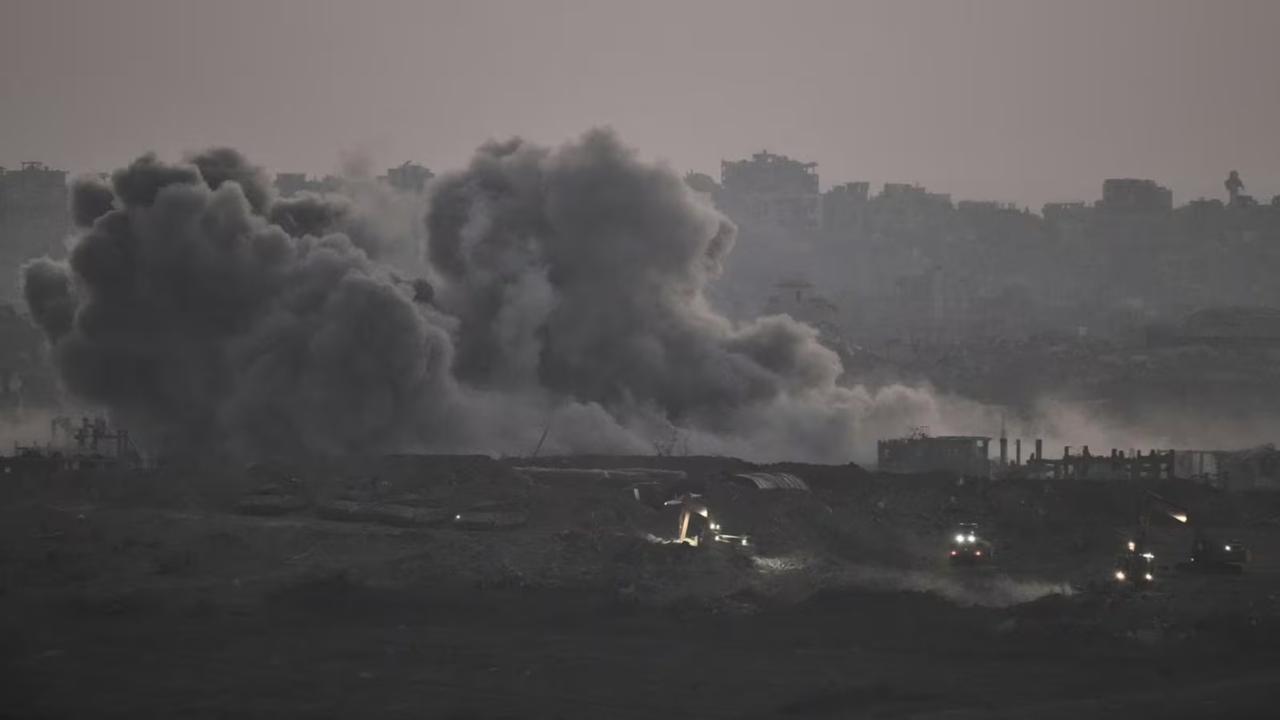
The United Nations Office of the High Commissioner for Human Rights (OHCHR) has reported at least 613 fatalities in Gaza over a one-month period in locations around humanitarian convoys and aid distribution points. These incidents occurred from late May to June, with 509 linked to sites managed by a U.S.- and Israeli-backed aid group. The remainder were near convoys operated by the UN or other NGOs, highlighting the extreme risks civilians face while seeking essential supplies.
Context Behind the Numbers
Thousands of civilians gather daily at aid distribution sites across Gaza to receive food, water, and medical aid. In many areas, these sites are in close proximity to active conflict zones, turning them into dangerous gathering points. According to the UN, the fatalities include people shot—some by snipers— alongside others killed by drone strikes, air raids, or crossfire while waiting in lines. These figures were compiled through hospital record analysis, testimony from families, and NGO reporting.
Israel Defense Force’s Role Under Scrutiny
The UN report refrains from direct attribution of each casualty, but OHCHR spokesperson Ravina Shamdasani noted that “it is clear that the Israeli military has shelled and shot at Palestinians trying to reach distribution points.” Israeli authorities, meanwhile, have claimed that any force used was either to disperse crowds or in response to perceived threats. The Gaza Humanitarian Foundation (GHF), which operates the majority of aid sites in question, denies responsibility for killings on its premises, but the UN’s evidence includes accounts of armed security measures, such as the use of private contractors.
Healthcare System Overwhelmed by the Crisis
Gaza’s healthcare system is collapsing under the weight of these events. The World Health Organization reports that Nasser Hospital is now functioning as a “massive trauma ward,” treating victims who suffered gunshot wounds, shrapnel injuries, and severe trauma. Conditions inside Gaza are dire: hundreds of thousands displaced, infrastructure in ruins, and basic necessities scarce amid ongoing shelling and checkpoint restrictions.
Regional Humanitarian and Security Implications
The repeated bloodshed at aid points is raising the question: how safe is humanitarian access in Gaza? The UN is now calling for a thorough investigation into these deaths and urging all parties—Israel included—to ensure the protection of civilians and aid workers. The fatalities near aid sites have eroded trust among Palestinians, shutting down corridors of cooperation once crucial for relief efforts.
Next Steps: Protection and Reform
-
Urgent Investigations – UN and human rights groups must document each incident and hold responsible parties accountable.
-
Enhanced Aid Safety – Humanitarian organisations should implement stronger protective measures, reconsidering armed guards and site locations.
-
Secure Aid Routes – All sides must agree to safe passage near distribution points—no crossfire, no shelling.
-
Access Without Threat – International pressure is growing for Israel to ease restrictions around aid zones and permit uninterrupted humanitarian flow.
Why It Matters
The staggering loss of life so close to aid sites reveals a grim paradox: places designed to save lives are being turned into death zones. Transparency, independent monitoring, and robust safety protocols are essential to prevent further tragedy. With winter approaching and resources dwindling, it's urgent to restore safe aid access or face even worse outcomes for Gaza’s civilians.