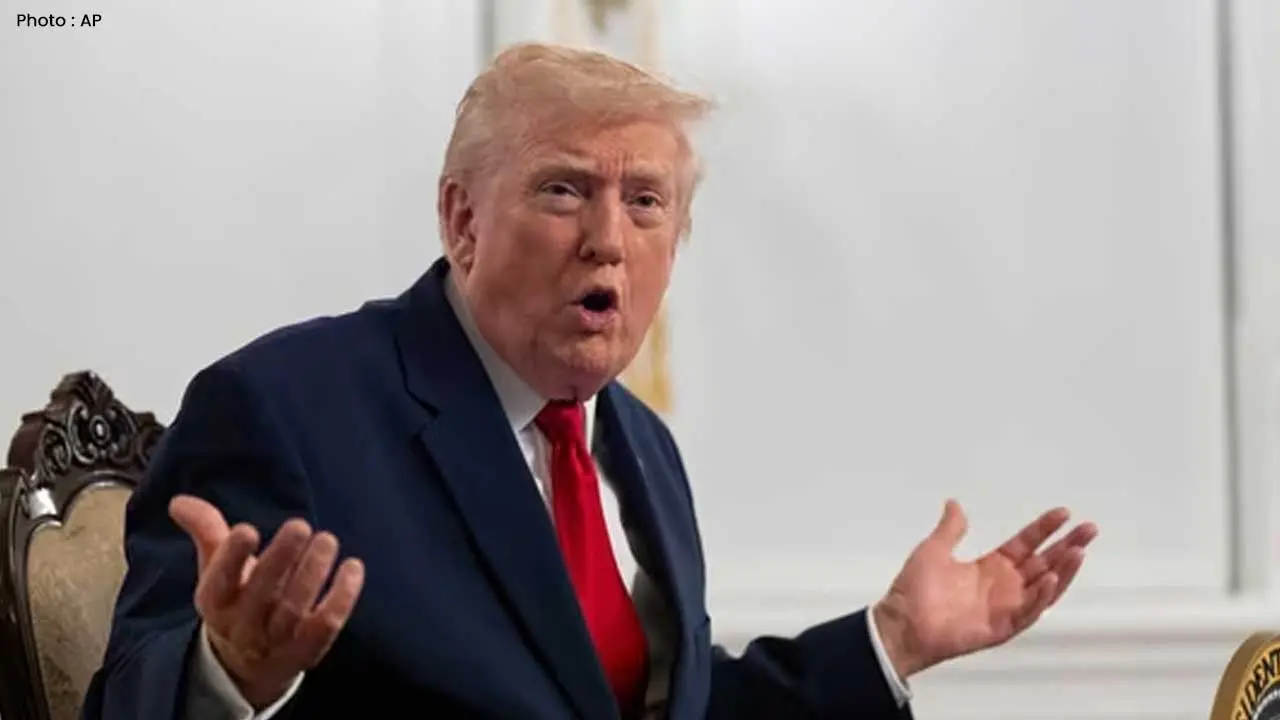
A recent report by Democratic lawmakers unveils how the Trump administration relocated billions of dollars from military budgets in 2025 to bolster immigration enforcement operations. Over $2 billion originally aimed for national defense was allegedly rerouted towards border security initiatives, deportations, and detention programs, igniting major concerns regarding military readiness and national safety.
The report, titled “Draining Defense: Trump’s Immigration Stunts Cost Billions at the Expense of Military Readiness, Morale, and National Security,” claims the Department of Defense allocated substantial funds for immigration-related tasks that stretch beyond its core military role. Lawmakers expressed that these financial misallocations have weakened military capabilities and put undue stresses on service members and military resources.
Findings divulge that the majority of financial outlays by the Pentagon remain unreimbursed by the Department of Homeland Security. Consequently, crucial military expenditures for training, facility upkeep, and infrastructure improvements have been impacted. This has led to delays in base maintenance and insufficient resources for schools used by military families.
The report outlines extensive engagement of active-duty soldiers and National Guard units in immigration enforcement operations nationwide. Thousands of troops were sent to the US-Mexico border and major metropolitan areas like Los Angeles, Chicago, Portland, and Memphis. Border security alone incurred a cost of roughly $1.3 billion, and additional domestic assignments brought the total to $258 million.
In Los Angeles, military support to Immigration and Customs Enforcement escalated costs to around $172 million, funding various operational needs including food, accommodation, transportation, payroll, logistics, and demobilisation procedures for Marines and National Guard members.
Detention activities on military properties accounted for hundreds of millions, with the report revealing that over $420 million was spent on these operations, and Fort Bliss in Texas alone faced costs exceeding $363 million, reportedly failing to meet numerous federal immigrant detention norms.
Highlighting the expansion of immigrant detention at Guantánamo Bay, the report indicates this policy shift as a stark deviation from prior protocols. Military expenditures for detaining noncitizens at the base amounted to about $40 million just within one month, surpassing costs of domestic detention facilities due to elevated transportation, staffing, and infrastructure needs.
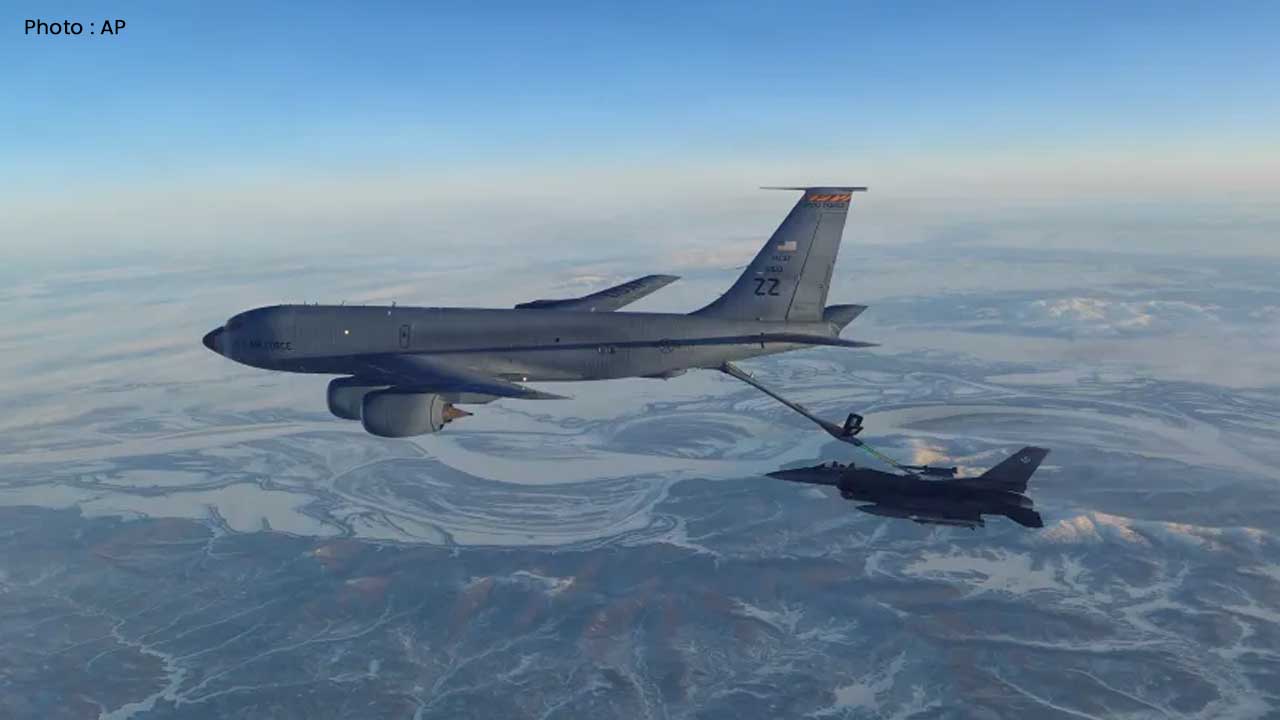
The report also presents concerns around the deployment of military aircraft for deportation missions, which ballooned expenses. Operating a C-17 military aircraft is estimated at $28,500 per hour compared to just $8,500 for standard immigration enforcement flights. By September 2025, more than $33 million had been channeled towards military aircraft being utilized for deportation, including costly flights to India that totalled approximately $3 million each.
Moreover, the reassignment of military legal personnel raised eyebrows as about 600 Judge Advocate General officers were temporarily designated as immigration judges, with lawmakers estimating related costs of $55 million while limiting the military's capacity to manage its legal and disciplinary obligations.
Beyond monetary implications, the report underscores a major threat to military readiness. The reassignment of combat-ready units to immigration tasks compromises their availability for urgent or overseas operations. National Guard deployments have also hindered state responses to natural calamities like floods and wildfires.
In concluding remarks, legislators pressed the administration to cease the employment of military assets for immigration actions and to pursue complete reimbursement from the Department of Homeland Security. They cautioned that persistent diversion of defense resources could undermine America's capability to confront global security challenges, a sentiment echoed by allied and strategic nations, including India.