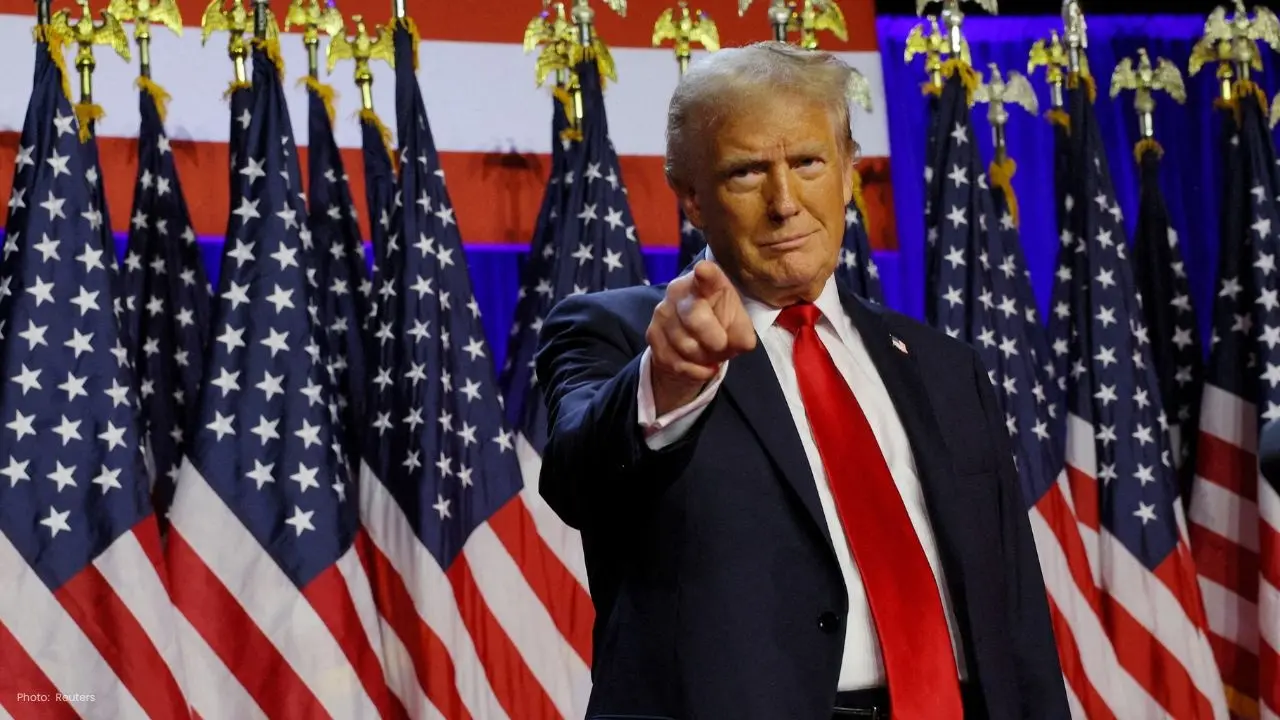
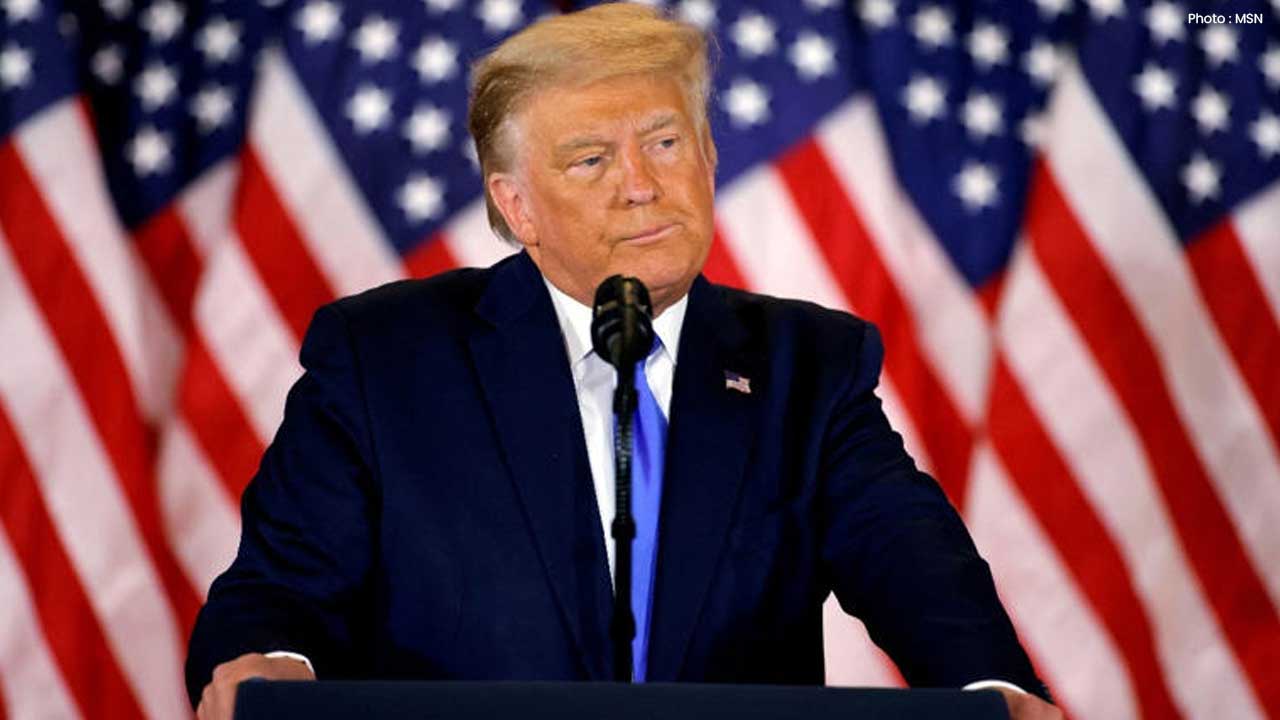
U.S. President Donald Trump is calling for the country to “permanently pause migration” from several nations after a fatal shooting in Washington, D.C., involving an Afghan man who entered the United States through a resettlement program.
The shooting happened Wednesday near a subway station where National Guard troops were patrolling under Trump’s orders. Two soldiers were attacked in what officials described as an ambush. Specialist Sarah Beckstrom, a 20-year-old member of the West Virginia National Guard, died from her injuries. Staff Sgt. Andrew Wolfe, 24, remains in critical condition.
The suspect, 29-year-old Rahmanullah Lakanwal, was also wounded at the scene and is now in custody. Prosecutors have upgraded his charges to first-degree murder. Authorities say he drove across the country from Washington state and used a revolver in the attack. Lakanwal had previously worked with the CIA during the war in Afghanistan and was brought to the U.S. in 2021 as part of a program established to protect Afghan partners after the American withdrawal.
West Virginia Governor Patrick Morrisey issued a statement honoring Beckstrom, saying she served with “courage, resolve, and deep commitment to her state and nation.”
A small memorial of flowers and candles has formed on the sidewalk where the shooting happened, drawing quiet visits from residents throughout the day.
Late Thursday night, hours after Beckstrom’s death was confirmed, Trump posted a long message on social media claiming migration had damaged American jobs, security, and quality of life. Many of his claims echo earlier statements that experts and advocacy groups have repeatedly challenged.
He said only “reverse migration” and a stop to entries from “all Third World countries” would fix what he called a “broken system.” Trump also criticized Somali refugees living in Minnesota and used an offensive term to attack Minnesota Governor Tim Walz.
The Department of Homeland Security reposted Trump’s comments, adding messages urging Americans to support deportation efforts and linking to an ICE recruitment page. The posts drew concern from civil-rights groups, who said the administration was unfairly blaming entire communities and stoking fear.
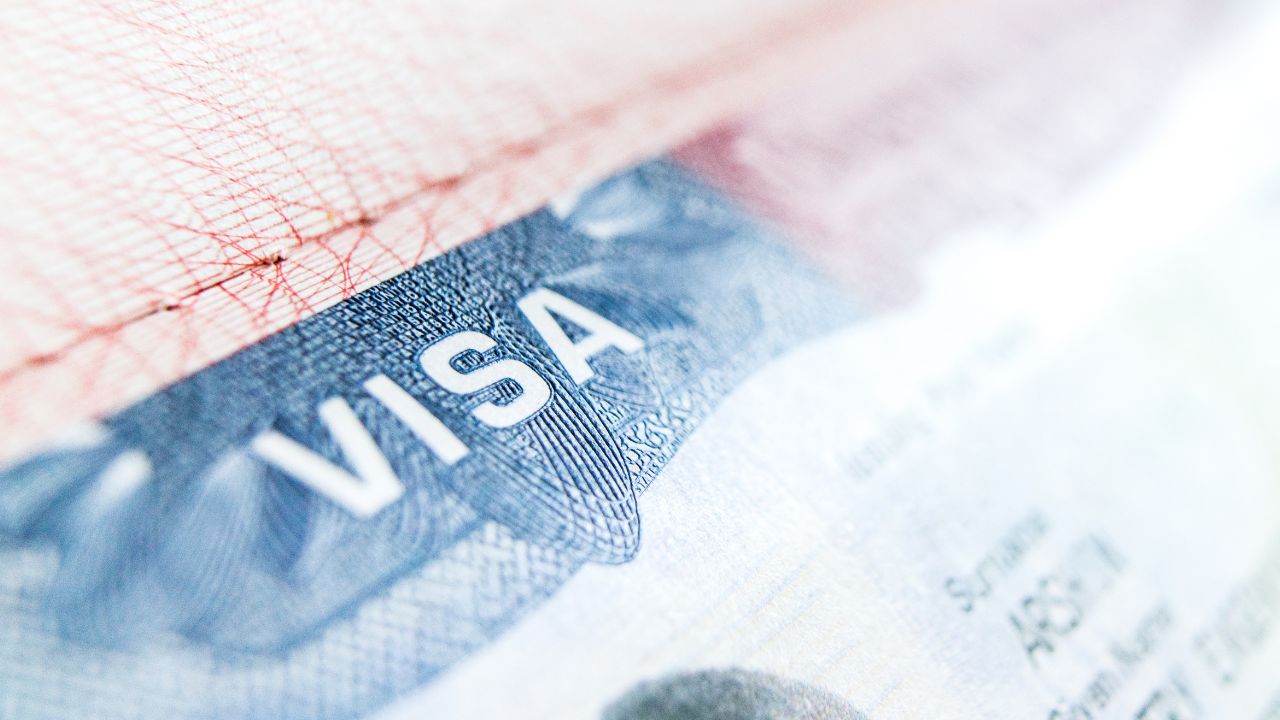
On Friday, Secretary of State Marco Rubio confirmed that the U.S. has paused issuing visas to anyone traveling on Afghan passports. The head of U.S. Citizenship and Immigration Services said all asylum decisions are on hold until a new screening process is in place.
Asked by reporters whether he blamed all Afghans for the shooting, Trump said he did not but claimed the country had seen “a lot of problems with Afghans,” without providing details.
Organizations that help resettle refugees urged the public not to link the actions of one person to entire communities. Matthew Soerens of World Relief said people fleeing danger should not be punished for a crime they had no part in.
Experts warned that sweeping restrictions against Afghans could make the U.S. less safe by turning allies into opponents.
Before the shooting, officials had already announced strict new screening for people coming from 19 countries considered “high risk,” though the full list was not made public. Earlier this year, the administration blocked travel from 12 nations and placed heavy restrictions on seven more, including Afghanistan.
Since returning to the White House, Trump has revived and expanded several of his previous policies. ICE raids have become more frequent, sometimes reaching people with no criminal record and occasionally detaining U.S. citizens by mistake. Courts have criticized the administration for failing to provide due process to those facing deportation.
Officials have also pressured DACA recipients to leave the country voluntarily and renewed calls to end birthright citizenship, which legal experts say would require a constitutional change.
During his campaign last year, Trump claimed migrants were “poisoning the blood of our country,” drawing criticism from religious leaders and immigrant-rights groups.
The Biden administration ended the pandemic-era Title 42 rule later than planned, after legal battles with Republican-led states. Analysts say border numbers rose for many reasons, not just policy changes.
At a briefing in Geneva, a spokesperson for the UN human rights office urged the U.S. to continue honoring its obligation to protect asylum seekers. Refugees must receive fair treatment and access to due process under international law.
As the country deals with a deadly attack and a renewed political fight over migration, refugee advocates warn that sweeping crackdowns could place thousands of vulnerable people at risk—many of whom supported U.S. missions overseas and trusted Washington to keep its promises.