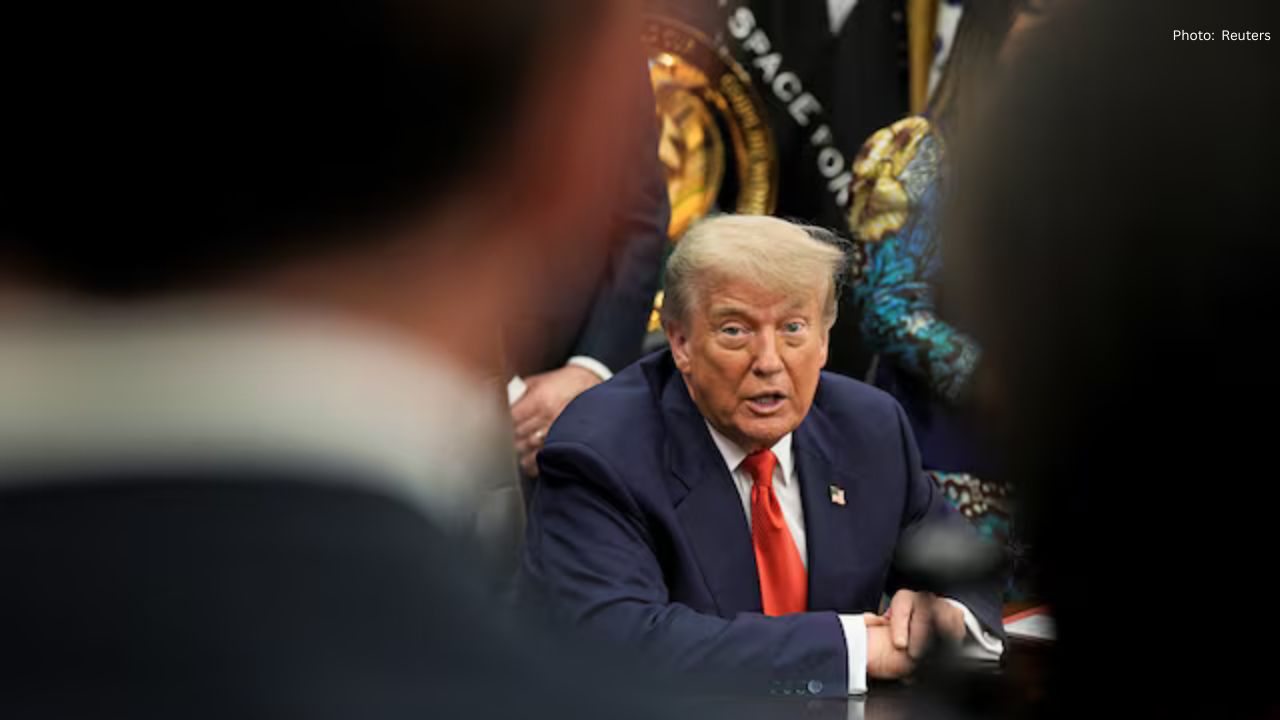
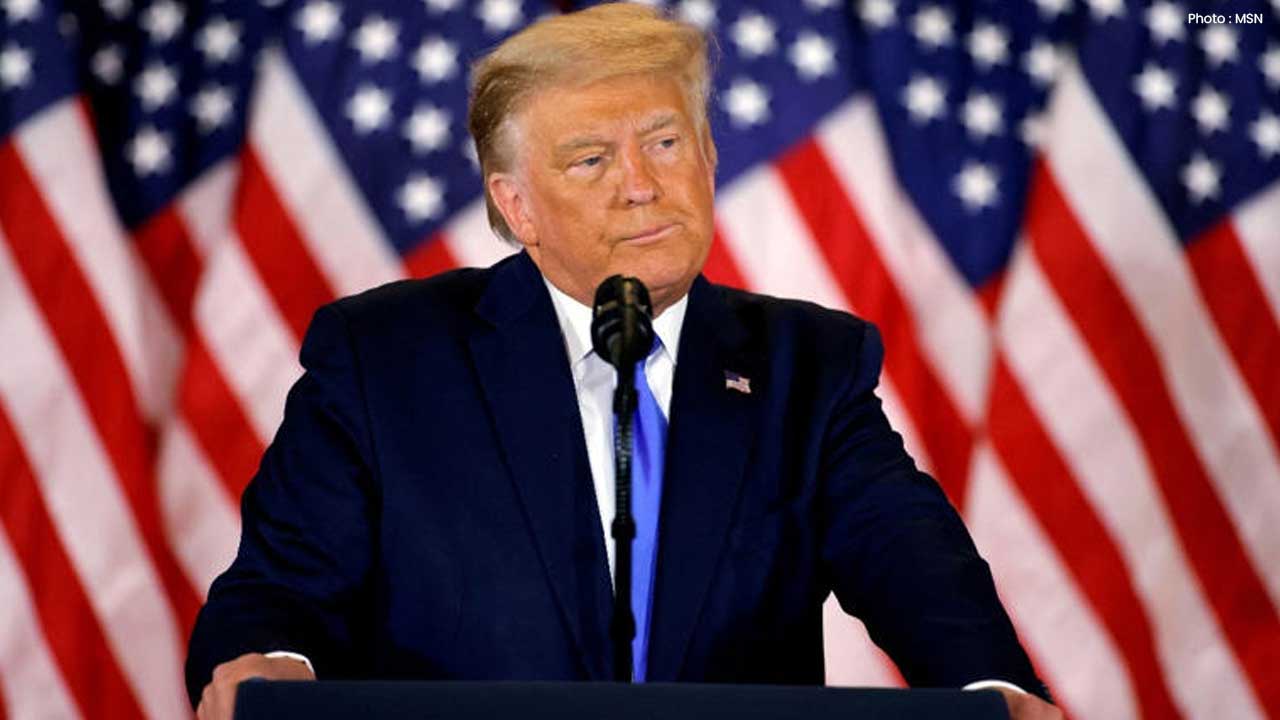
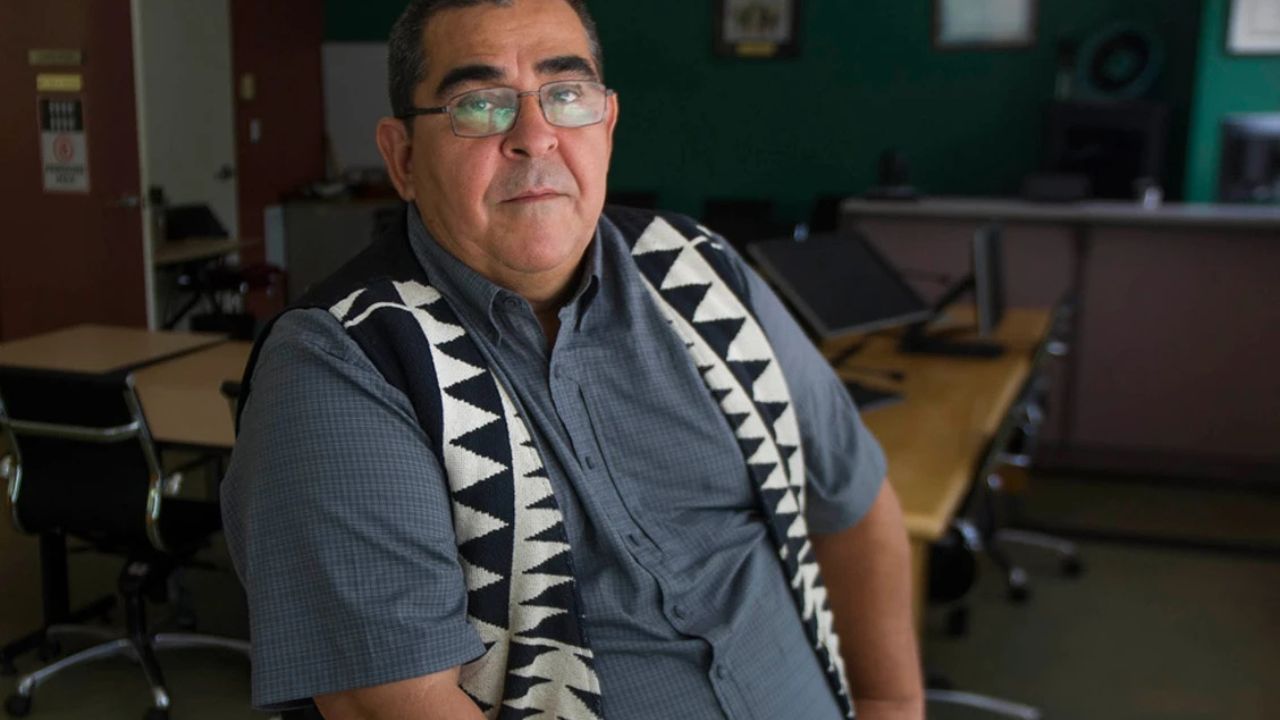
President Donald Trump welcomed Rwandan President Paul Kagame and Congo’s President Felix Tshisekedi in Washington, marking a new initiative aimed at alleviating the prolonged conflict in eastern Congo. This meeting was designed to solidify support for two pivotal agreements: a U.S.-backed peace deal and an economic collaboration intended to foster closer ties between the nations.
Though discussions began earlier this year, full implementation of these agreements remains pending. This gathering aims to motivate both countries to take tangible steps toward reconciliation and to position the region for substantial Western investment, particularly in its rich mineral resources.
The eastern Congo has grappled with severe violence for decades, beset by armed factions, ethnic strife, and battles over valuable minerals, rendering it one of the world’s most volatile regions. Earlier this year, the M23 rebel group launched a swift offensive, capturing significant urban areas and raising concerns about a potential escalation into a larger conflict.
The Trump administration seeks to diffuse these tensions not only for stability but to entice foreign enterprises into the region. The area is abundant in crucial minerals like cobalt, copper, gold, tin, tungsten, and lithium—key materials for batteries and electronic products. The U.S. aims to secure access to these resources, especially given China’s substantial dominance in the global mineral sector.
Despite the meeting in Washington, experts caution that achieving peace remains a significant challenge. Renowned analyst Jason Stearns indicated that while U.S. interventions have curbed some hostilities, the fundamental causes of the conflict persist. He noted that both nations seem entrenched in historical disputes, with no clear strategy to resolve them.
A major concern is the exclusion of the M23 rebels from the discussions, as they wield considerable on-ground power and continue to battle Congo’s military. The absence of their participation may complicate the enforcement of any agreements reached between Congo and Rwanda. On Tuesday, both the rebel faction and Congo’s forces accused each other of violating the most recent ceasefire, with Congo claiming that Rwanda “does not want peace”—a charge Rwanda disputes.
Rwanda asserts it does not back the M23, citing its military actions as necessary to safeguard its borders against Hutu militias linked to the 1994 genocide. However, a recent UN report suggests Rwanda maintains significant control over M23 operations. M23 contends it defends Tutsi communities in Congo, yet its actions have resulted in thousands of casualties and displacements.
From 1996 to 2003, the Great Lakes region experienced two devastating wars, leading to millions of fatalities. Today’s violence harkens back to that troubled past, with many families in eastern Congo facing dire conditions, often crowding into camps with minimal access to food and medication.
The agreement encouraged by Trump necessitates Congo to act more decisively against the FDLR militia, a group seen as a threat by Rwanda. In return, Rwanda is expected to withdraw its military forces from Congo. However, little progress has been noted on both fronts. Rwandan Foreign Minister Olivier Nduhungirehe expressed hope for improvement following the signing event, though skepticism remains prevalent.
This meeting also serves as a platform for Trump to bolster his image in global diplomacy. Since his inauguration, he has interceded in several conflicts across the Middle East, Ukraine, and beyond, achieving mixed results. Many Americans believe he should prioritize domestic issues, particularly rising living costs and financial burdens.
Before the event, Trump affixed his name to a sign outside the United States Institute of Peace, where the agreement is expected to be formalized. His administration had previously attempted to gain control of the institute, a rare move for a government body focused on impartial peace initiatives.
While the ceremony and media attention are significant, the true measure of success will unfold in eastern Congo, where families are anxious to see whether this new promise will translate into safety for their communities. The ground situation remains unstable, and experts warn that without commitment from all parties, conflict could reignite.
The Washington event represents a critical juncture, yet resolving decades of distrust requires more than a solitary meeting. Achieving peace in eastern Congo is feasible, but it demands meticulous effort, genuine partnership, and continuous encouragement from the international community.