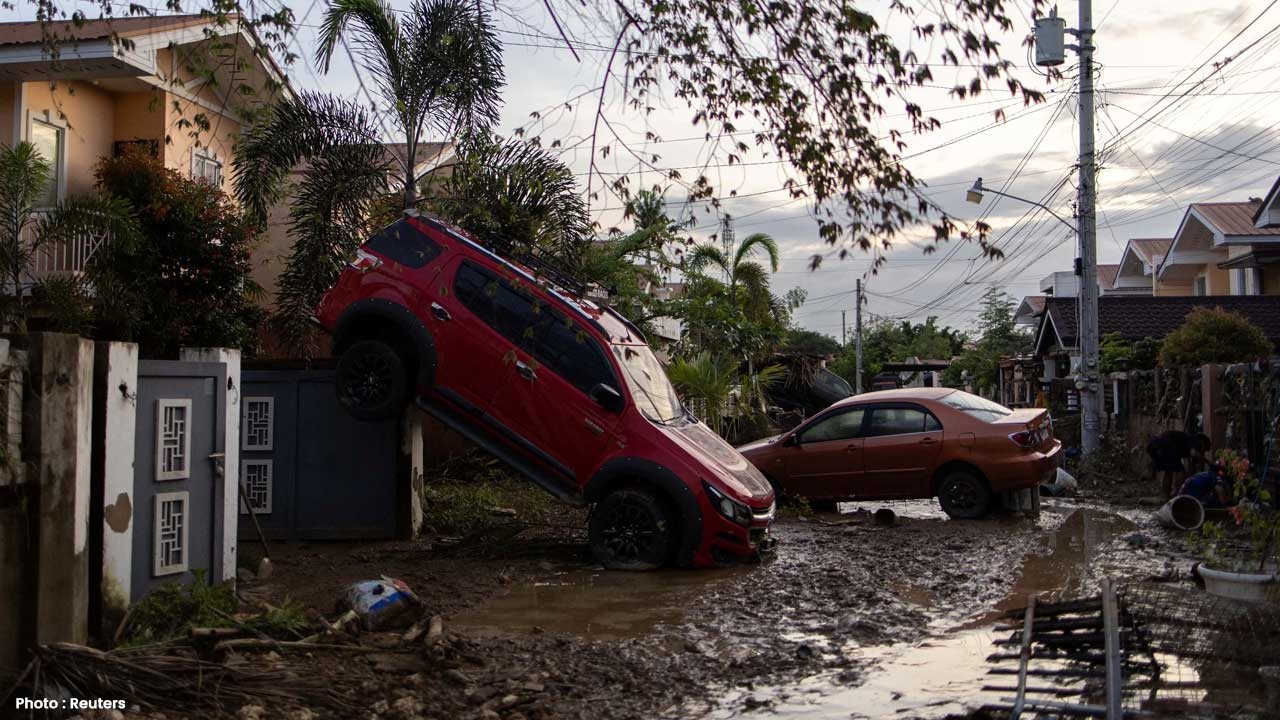
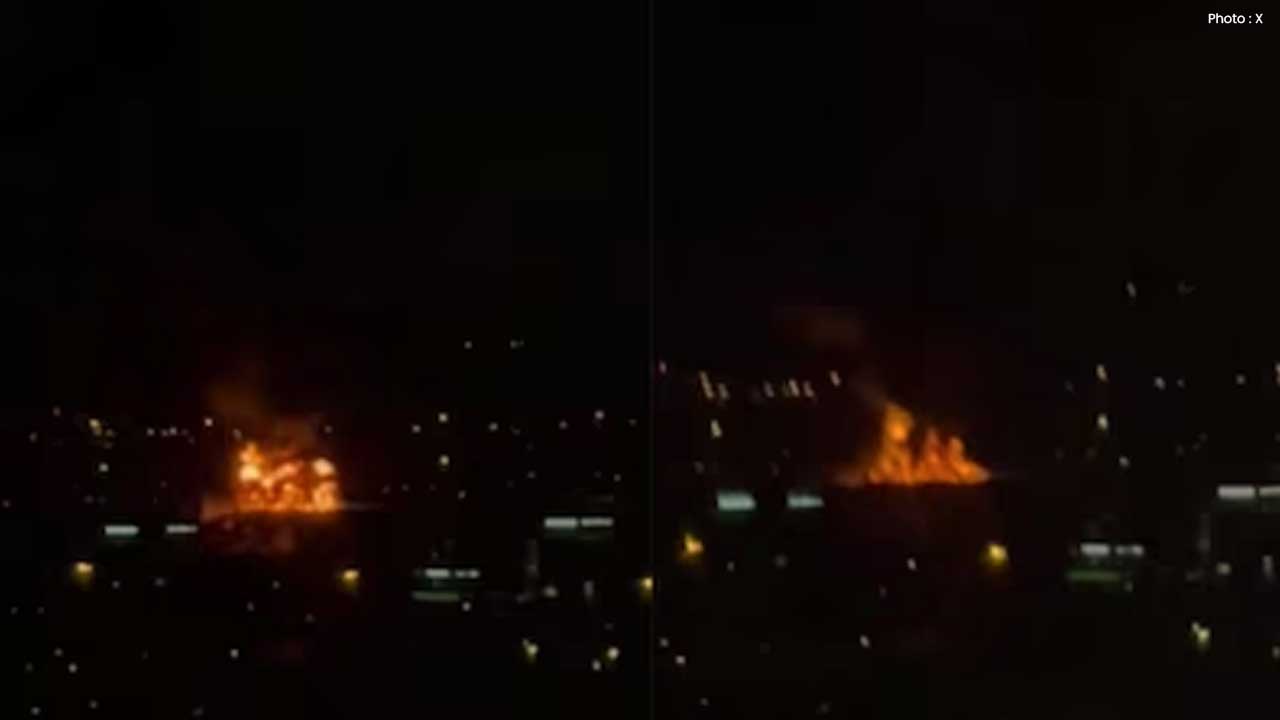
A fierce tropical storm, Typhoon Kalmaegi, has brought unprecedented destruction to the Philippines and Vietnam, resulting in the deaths of more than 190 individuals and leaving many others missing as it advances towards Cambodia and Laos. This devastating typhoon has pummeled communities with violent winds, torrential rains, and severe flooding, marking it one of the year’s most destructive storms in the region.
In the Philippines, confirmed fatalities stand at 188, with 135 individuals reported missing after flash floods and landslides engulfed homes and entire villages in mud and debris. Rapid torrents surged through neighborhoods, obliterating homes and carrying away vehicles and goods. The regions hardest hit include central areas like Cebu and Talisay City, where survivors recounted horrific scenes of devastation.
Those who managed to escape to safer ground watched in disbelief as floodwaters swept away their homes and belongings. In Talisay City, survivor Mely Saberon reflected on the destruction of her home, stating, “We don’t have a home anymore. We couldn't save anything. We've endured many typhoons before, but this one was unlike any other.”
The Philippine government has announced a nationwide state of calamity, mobilizing rescue teams and emergency supplies to the most affected regions. President Ferdinand Marcos Jr has declared a state of emergency as officials prepare for another developing storm in the Pacific.
In Vietnam, the typhoon made landfall late Thursday with wind gusts reaching 149 km/h (92 mph). So far, the country has reported five fatalities, with hundreds injured and thousands displaced. Prime Minister Pham Minh Chinh convened an online meeting to coordinate emergency responses, emphasizing the need to provide food, clean water, and essential supplies to all affected individuals. “No one should go hungry or be left out in the cold,” he asserted.
The destruction has been particularly acute along Vietnam's central coast, where strong winds uprooted trees, ripped roofs off buildings, and shattered windows. In Dak Lak province, residents cried out for assistance as severe rain and flooding damaged their homes. Thousands of individuals sought shelter in schools and other public structures, while more than 260,000 military personnel were deployed to assist in relief efforts.
Authorities anticipate additional flooding in low-lying areas, as central Vietnam has witnessed record rainfall in the week prior, causing 50 fatalities even before Typhoon Kalmaegi approached. Airports and highways were closed, and hundreds of thousands evacuated as a precautionary measure.
This typhoon, referred to locally in Vietnam as Tino, unleashed a month’s worth of rain within just 24 hours, exacerbating the crisis. In locations such as Quy Nhon and Gia Lai, fallen trees and debris obstructed roadways, while widespread power outages plunged communities into darkness.
As Typhoon Kalmaegi makes its way toward Cambodia and Laos, regional authorities remain on high alert, preparing for the possibility of further flooding and landslides. Rescue and recovery efforts are still underway, but with communications disrupted in many areas, the complete extent of this disaster remains unclear.
With homes devastated, infrastructure in ruins, and countless families displaced, Southeast Asia is now confronted with the formidable task of rebuilding and restoring normalcy following one of the most lethal storms in recent history.