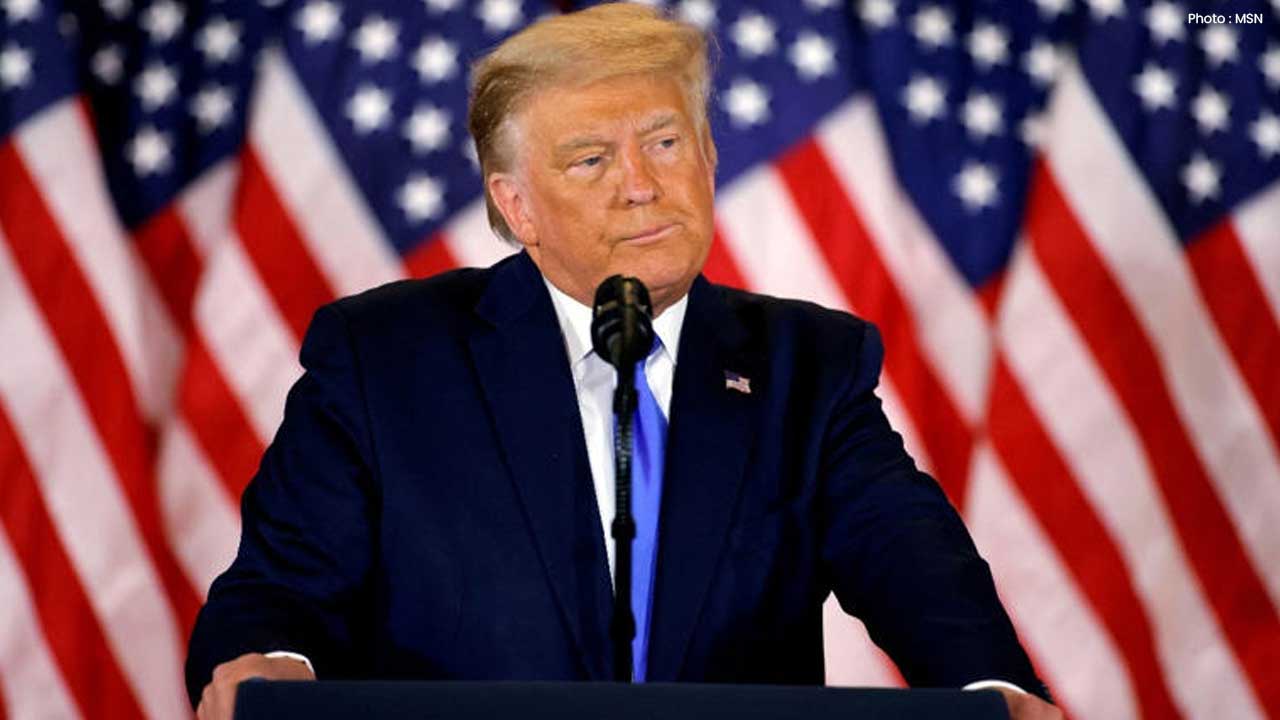
On Thursday, the Trump administration revealed a significant initiative designed to cut the prices of essential goods by forming trade agreements with four Latin American countries—Argentina, Guatemala, El Salvador, and Ecuador. This initiative addresses the rising living costs and economic concerns in the U.S.
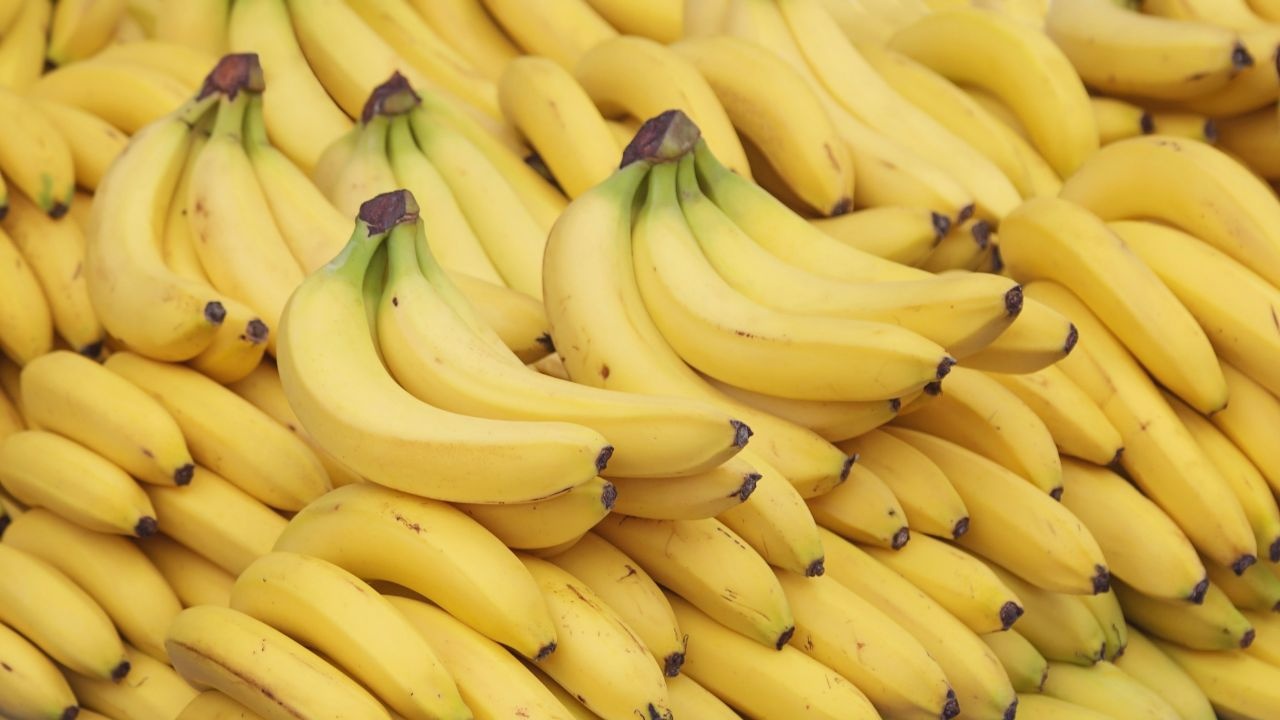
As part of the agreements, a 10% tariff will be maintained on a majority of imports from Guatemala, Argentina, and El Salvador, while goods from Ecuador will see a 15% tariff. However, vital products that are insufficiently produced in the U.S., such as coffee, will enjoy tariff exemptions. Bananas and cocoa are also likely to see reduced costs, offering some relief to American consumers grappling with soaring prices.
This year, coffee prices in the U.S. have increased by about 20%, largely due to adverse weather that has impacted key coffee-producing regions. While Brazil continues to lead as the top coffee supplier to the U.S., countries like Guatemala play a crucial role in the coffee market. Officials believe lowering tariffs will help decrease consumer prices if savings are passed onto retail consumers.
These agreements encompass various trade sectors. For example, the U.S.-Argentina pact aims to boost access to beef—a product also facing significant price hikes. President Trump has previously voiced concerns about escalating meat prices, advocating for federal scrutiny into the pricing conduct of the meatpacking industry.
Finalization of these trade agreements is anticipated within the next fortnight, representing a significant advancement in the administration’s global trade strategy. Previous arrangements have been established with regions like the European Union, South Korea, Japan, Cambodia, Thailand, and Malaysia.
This latest move signifies the administration’s broader intention to balance trade protectionism with consumer cost-saving efforts, underscoring the political and economic factors influencing U.S. trade policy this year.