Photo:AP
A New Chapter: TikTok’s U.S. Reinvention
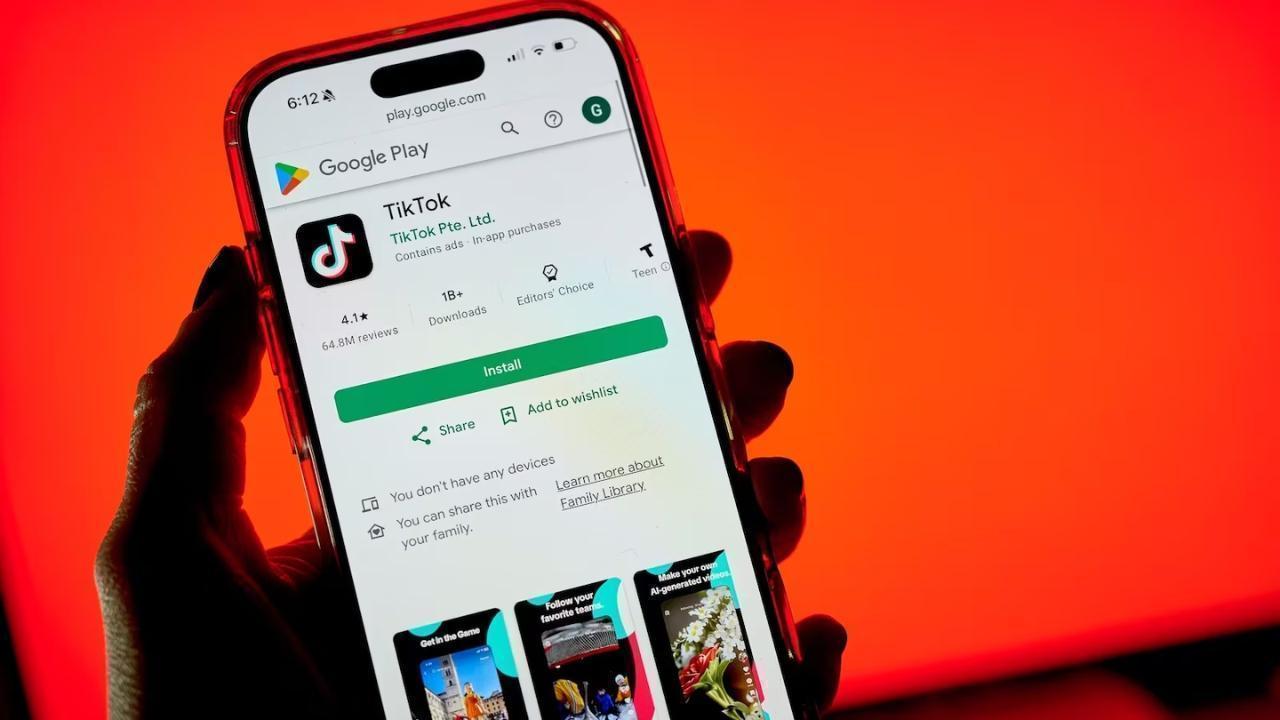
TikTok is crafting a fresh version of its app specifically for American users, launching this September. This new edition marks a major shift in the app’s journey in the United States, shaped by mounting political and security pressures.
Reports reveal that the updated variant—internally called “M2”—is being readied for a September 5 debut in U.S. app stores. The current version will remain operational through March 2026, giving users ample time to make the switch. This initiative follows new U.S. laws requiring TikTok to either sell or face a ban, and reflects ongoing negotiations involving U.S. political and Chinese economic interests.
Legislative Pressure and Strategic Planning
The U.S. Congress passed a “divest or ban” law in early 2025, mandating that ByteDance relinquish control of TikTok’s American operations or face a nationwide ban. While that law took legal effect in January, its enforcement has been delayed multiple times by executive orders. The latest deadline is September 17, aligning closely with the M2 app rollout. The new app is designed to satisfy regulatory demands and pave the way for a sale to American investors.
Negotiations Underway: U.S.–China Diplomacy
Political leaders, including the current administration and former President Trump, confirm that a sale—likely involving Oracle and a consortium of U.S. investors—is advancing. Trump noted that talks with China are expected to begin soon, emphasizing that Chinese approval remains the final obstacle.
China recently agreed to extend the sale deadline, though it previously opposed an earlier transaction structure. Meanwhile, U.S. trade officials are negotiating tariffs in parallel, making TikTok’s divestment a key element in broader diplomatic discussions.
Challenges: Preserving Features, Users, Trust
Creating a new version of a popular app is no small feat. TikTok’s success hinges on its recommendation engine, interface familiarity, creator ecosystem, and cultural trends. Migrating all that to a new U.S. app without losing user data or trust is a major technical and strategic challenge.
To smooth the transition, TikTok plans to allow both versions—old and new—to coexist, with migration tools and reminders. The goal is seamless handover, but hiccups could drive users toward apps like Instagram Reels, YouTube Shorts, or emerging competitors.
Regulatory Compliance Meets Commercial Survival
The crux of this move lies in aligning with the Protecting Americans from Foreign Adversary Controlled Applications Act. TikTok’s new U.S. version provokes a divide: it may satisfy legal requirements, but it also risks eroding user base and control over content flow.
For ByteDance, the sale rearranges authority: a U.S.-based majority will manage the service, though ByteDance expects to retain a minority stake. This structure balances regulatory compliance with strategic retention of influence.
Public Reaction and User Sentiment
In online communities, response is mixed. Some users welcomed the idea of keeping TikTok available under U.S. ownership, while others worry about increased data monetization or intrusive governance once U.S. firms take charge. Comments from platforms like Reddit reflect a split between pragmatic acceptance and nostalgic resistance.
What’s Next: Watch the September Launch
With the M2 rollout slated for September 5, attention now turns to execution. The months ahead will test TikTok’s ability to:
-
Secure Chinese regulatory approval
-
Launch the new app without major issues
-
Retain key creators and advertisers
-
Navigate any legal or political challenges ahead of the September 17 deadline
The Broader Significance: Technology and Sovereignty
This isn’t just a tech story—it’s a landmark in global digital governance. Western democracies are increasingly scrutinizing foreign-owned platforms for security, privacy, and influence concerns. TikTok’s U.S. transformation could set a precedent: balancing national security with innovation and market continuity.
Future scenarios range from U.S.-only versions of foreign-owned apps to a wave of digital nationalization in the name of security.
Bottom Line
TikTok’s preparation of a new U.S. version is both a regulatory necessity and a high-stakes challenge. The September rollout is critical: it must pass technical, legal, and public opinion tests, all while satisfying complex diplomatic demands and a looming enforcement deadline. The outcome promises to shape not only TikTok’s fate in America, but also the global digital sovereignty landscape.