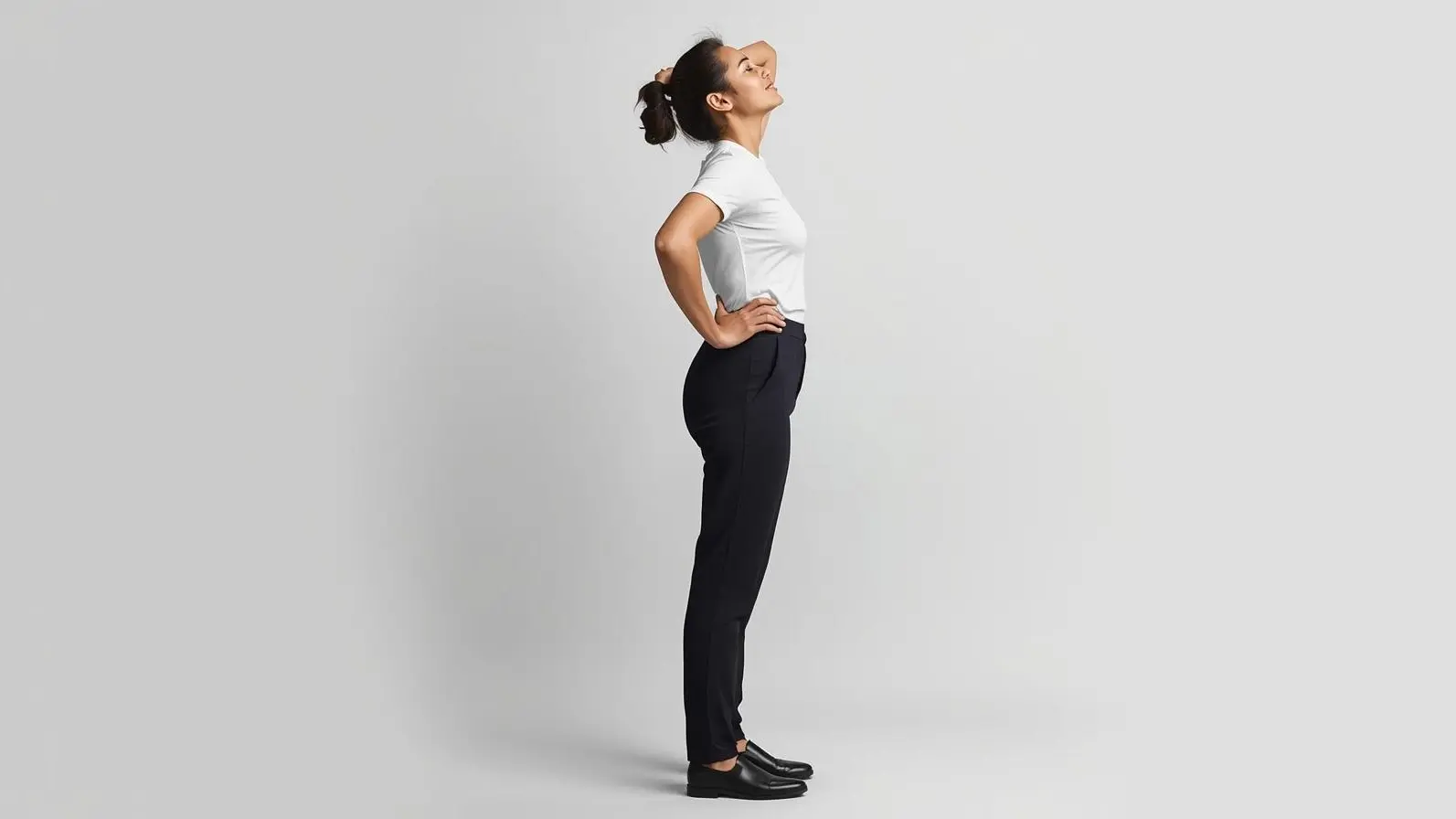
The Impact of Poor Posture on Overall Health
Many consider poor posture a trivial issue, yet it is a significant health concern. With the rise of screen time and sedentary lifestyles, poor posture has emerged as one of the main contributors to chronic pain, fatigue, and various health dysfunctions. It's crucial to understand that posture impacts muscles, joints, nerves, breathing, digestion, circulation, and even mental health. This comprehensive guide explores how poor posture affects the body comprehensively, why symptoms may seem disconnected, and how it serves as an unnoticed root cause of numerous modern health complaints.
Understanding Poor Posture and Its Development
Posture denotes the alignment of your body against gravity, whether sitting, standing, or moving. Good posture maintains balance in bones, joints, and muscles. Conversely, poor posture happens when there is a consistent misalignment, forcing the body to strain its muscles and joints unnecessarily.
Key Contributors to Poor Posture
-
Excessive sitting
-
Slouching while using devices
-
Weak core muscles
-
Poor ergonomic setups at work
-
Inactivity
-
Muscle tension related to stress
These repetitive habits can cause the body to adapt to incorrect postures, viewing them as normal over time.
The Influence of Poor Posture on Musculoskeletal Balance
Your body operates as an interconnected system—poor posture in one area can influence multiple regions.
Muscle Imbalance and Compensatory Mechanisms
Incorrect posture can make some muscles tight and overactive, while others become weak and neglected. For instance:
-
Forward head posture tightens neck and chest muscles
-
Round shoulders weaken upper back muscles
-
Anterior pelvic tilt tightens hip flexors and weakens glutes
This imbalance can heighten strain and lessen movement efficiency.
Stress on Joints and Wear
Misaligned joints can lead to:
-
Uneven pressure distribution
-
Accelerated cartilage wear
-
Increased arthritis risk
Over time, this can foster chronic stiffness and degeneration in joints.
Neck Issues, Headaches, and Stress on the Cervical Spine
The neck is often among the first areas affected by poor posture.
Forward Head Posture and Its Consequences
Moving the head forward by even an inch increases the load on the neck significantly. This adds:
Neck Mobility Limitations
Tight muscles can hinder movement, making simple tasks more painful and worsening the risk of injury.
Shoulder Issues and Upper Back Pain
Poor posture disrupts the natural mechanics of the shoulders.
Reasons for Shoulder Pain Development
-
Shoulder joints become misaligned
-
Strain on rotator cuff muscles
-
Weakening of upper back muscles
This can lead to discomfort during physical activities.
Long-Term Consequences
If not addressed, postural issues can result in frozen shoulder, impingement syndromes, and chronic upper back pain.
Spinal Compression and Disc Health
Correct spine alignment is crucial for even load distribution.
Effects on Spinal Discs
Poor posture can place excessive pressure on spinal discs, particularly in the neck and lower back:
-
Reduced hydration of discs
-
Accelerated degeneration of discs
-
Increased likelihood of bulged or herniated discs
This can ultimately result in ongoing back pain and stiffness.
Lower Back Pain and Pelvic Misalignment
Lower back discomfort is often one of the most prevalent complaints tied to posture.
Understanding Anterior Pelvic Tilt
Prolonged sitting can shorten hip flexors and weaken core stability, leading to a forward tilt of the pelvis and heightened stress on the lumbar region.
Resulting Issues
Breathing Issues Linked to Poor Posture
Your posture can also influence your breathing capacity.
Compression of the Chest and Shallow Breathing
Slouched positions can restrict lung expansion by compressing the rib cage and diaphragm, causing:
Impact on Energy Levels
A decreased oxygen supply hampers energy production at the cellular level, leading to chronic tiredness and diminished concentration.
Digestive Problems and Poor Posture
The way you sit can have a more significant effect on digestion than most people realize.
Compression of Abdominal Organs
Slouching places pressure on the stomach and intestines, which can impair digestion and lead to:
Circulation Issues and Nerve Compression
Alignment is essential for effective blood flow and nerve function.
Compromised Circulation
Poor alignment can pinch blood vessels, particularly in the neck, shoulders, and hips, leading to:
Nerve Pressure
Compressed nerves can lead to sensations like tingling, numbness, or sharp pain in the limbs.
Fatigue and Diminished Physical Stamina
Poor posture requires continuous muscular effort to keep the body upright.
Why This Leads to Fatigue
The Connection Between Posture and Mental Health
There is a strong link between posture and mental well-being.
Effects of Posture on Mood
Slouched positions are connected to:
-
Heightened stress perception
-
Lower confidence
-
Decreased alertness
Maintaining an upright posture can enhance breathing and support a balanced nervous system, positively affecting mood.
Impact on Coordination and Balance
Posture plays an essential role in maintaining balance.
How Posture Influences Stability
Misalignment can shift the body’s center of gravity, increasing fall risks and impairing coordination, especially in older adults.
Long-Term Health Dangers of Neglecting Posture
While poor posture might seem benign, chronic issues it can lead to include:
-
Chronic musculoskeletal pain
-
Reduced mobility
-
Degenerative spinal conditions
-
Lowered quality of life
-
Increased reliance on pain medications
These issues often develop slowly, making poor posture an easily overlooked threat.
The Impact of Modern Lifestyles on Posture
Dependence on Screens
Smartphones and laptops often promote forward head tendencies.
Lack of Movement
Inactivity leads to weakened posture-supporting muscles.
Stress and Muscle Tension
Stress can tighten muscles and lead to poor positioning.
Modern posture problems often arise from environmental factors, not merely bad habits.
Why Correcting Posture Entails More than Just Sitting Up Straight
Posture is dynamic and not merely static.
Genuine Improvement in Posture Requires:
-
Strengthening weaker muscles
-
Enhancing flexibility
-
Correcting daily movement patterns
-
Altering workstation ergonomics
Simply enforcing a “straight” sitting position does not resolve underlying imbalances.
Initial Indicators of Health Deterioration Due to Posture
-
Regular neck or back pain
-
Stiffness in shoulders
-
Headaches
-
Digestive discomfort while seated
-
Unexplained fatigue
-
Unusual tingling in limbs
Recognizing these signs early can prevent serious complications.
The Importance of Awareness and Consistency
Enhancing posture demands daily mindfulness instead of quick fixes. Incremental, consistent changes can yield the greatest results.
Concluding Thoughts on Posture and Overall Health
Poor posture transcends being a mere issue of alignment; it is a health stressor across systems. It affects mobility, breath, digestion, mental clarity, and emotional well-being. The longer it is neglected, the more profound its impact.
Addressing your posture is among the most impactful, cost-effective preventative measures for health improvement. Optimal body function occurs when alignment, support, and balance are prioritized.
Disclaimer
This article serves informational purposes only and should not replace professional medical advice. Individual experiences with postural issues and related symptoms may vary. For ongoing pain, neurological symptoms, or functional limitations, consult a healthcare professional, such as a physiotherapist or medical practitioner, for appropriate assessment and care.