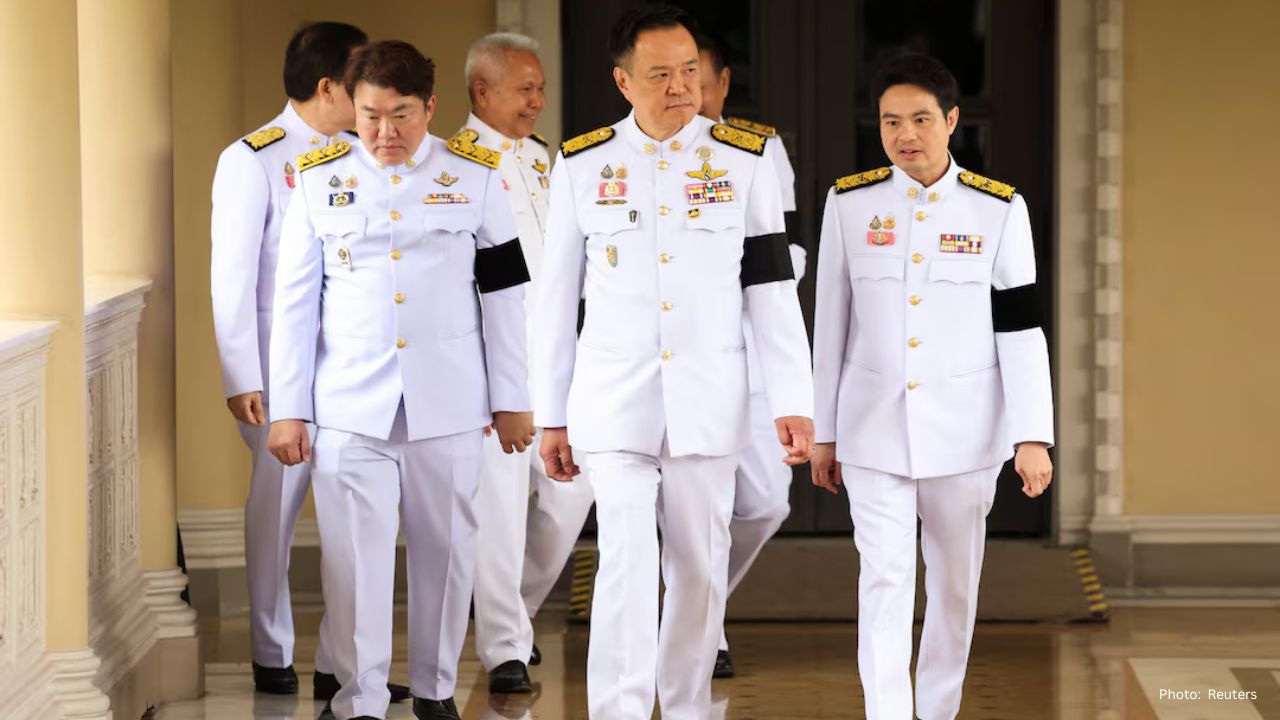
Thailand is stepping into a phase of uncertainty as Prime Minister Anutin Charnvirakul opts to dissolve parliament ahead of schedule. This significant action occurs against the backdrop of a lethal border clash with Cambodia and heightened political discord within the government. The dissolution paves the way for possible national elections that could happen as soon as February.
Announcing the decision late Thursday, Anutin expressed his intent to “return power to the people.” Shortly after, King Maha Vajiralongkorn granted approval via a royal decree. Following Thai law, an election must be conducted within 45 to 60 days, marking one of the swiftest electoral shifts in recent history.
The announcement comes during a turbulent period for the government. Anutin, having just begun his tenure under 100 days ago, leads a minority coalition that has struggled to secure widespread support. The opposition had been preparing to initiate a no-confidence motion, which could have resulted in his removal. By opting for an early dissolution, he sidestepped that predicament, shifting the decision-making back to the electorate.
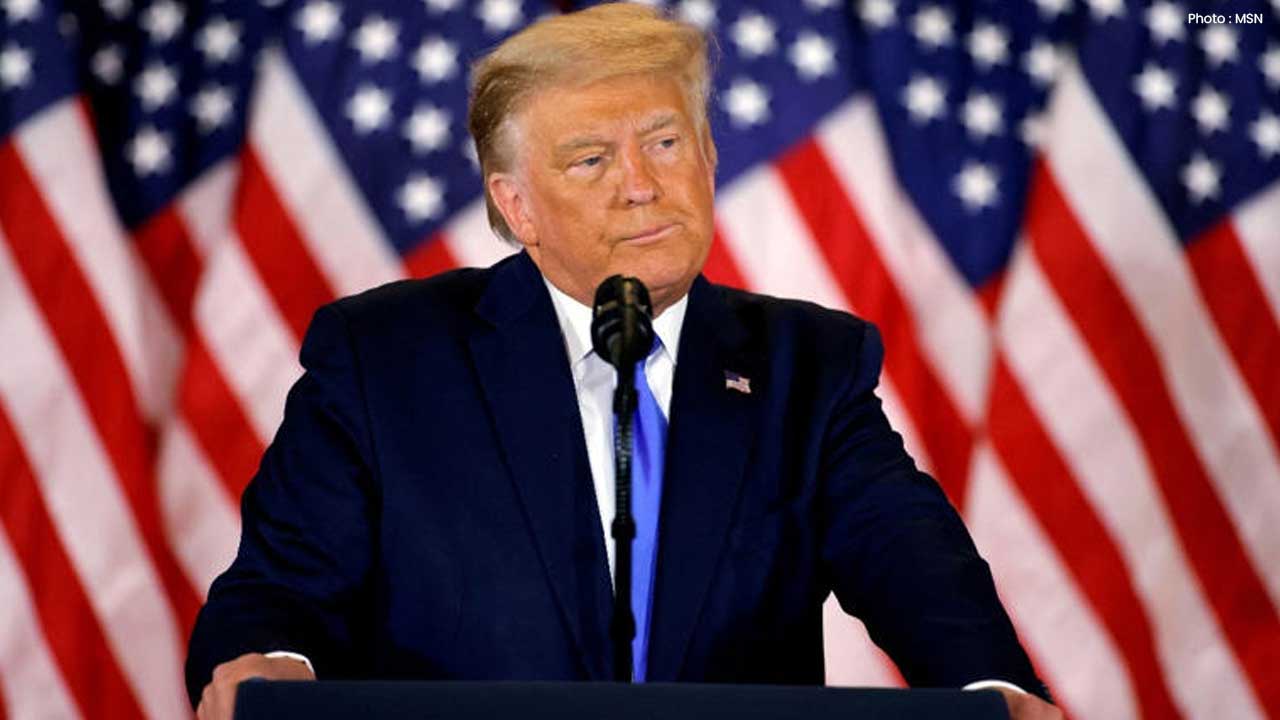
Compounding these political challenges is the ongoing border conflict between Thailand and Cambodia, which has now entered its fifth day, claiming at least 20 lives and leaving nearly 200 injured. Reports suggest that hundreds of thousands of villagers have fled their homes in terror. In a bold move, U.S. President Donald Trump has expressed intent to engage both nations’ leaders to mediate a halt to the violence.
Despite the mounting pressures, Anutin maintains that this parliamentary dissolution will not hinder the government’s ability to address the border crisis. A government spokesperson reassured that the caretaker administration retains full authority for decision-making during this interim period.
Moreover, the internal political drama has played a significant role in this early dissolution. Lawmakers were significantly divided over proposed constitutional amendments, a pivotal promise made by Anutin’s administration. The opposition has publicly criticized his party for failing to uphold its commitments. As tensions escalated, many expected a no-confidence vote to be initiated by the opposition.
Thailand has long faced a turbulent political landscape. Over the last two decades, multiple elected governments have been ousted through military interventions and legal actions. There are widespread concerns among citizens that this upcoming election may usher in further instability rather than peace.
Now, Anutin prepares for a challenging electoral campaign. Current opinion polls indicate that the liberal opposition remains the favored choice among voters. A prior entity associated with the People’s Party had secured victory in the 2023 election but was prevented from forming a government due to pushback from military-aligned lawmakers.
As Thailand heads toward this early election, citizens are hopeful for a more equitable and stable future. Yet, the intertwining issues of border violence, political disputes, and public discontent make the ensuing weeks particularly unpredictable. The international community will be monitoring Thailand closely as it approaches this pivotal vote.