The situation between Thailand and Cambodia has taken a severe downturn with air strikes now overshadowing previous efforts for dialogue and peace agreements. What started as a hopeful ceasefire, buoyed by international support, has devolved into violence and widespread civilian distress.
This crisis is rooted in events from May 28, when Cambodia reported its first soldier casualty from a skirmish with Thai troops at a disputed border region. This marked a significant deterioration in relations after a long period of peace.
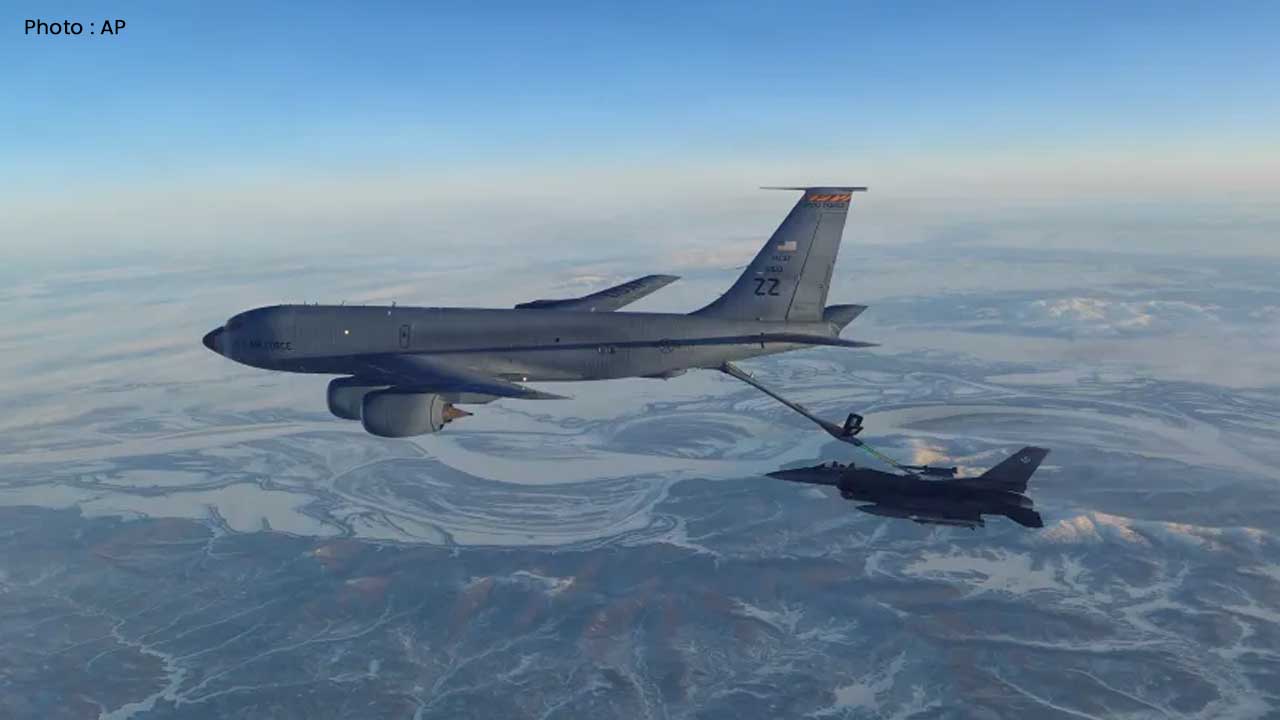
By July, tensions escalated further. Following a landmine explosion that injured a Thai soldier, Thailand recalled its ambassador from Cambodia on July 23, leading to open hostilities the following day as both nations blamed each other for inciting the conflict. The Thai military escalated the situation by deploying F-16 fighter jets against Cambodian positions.
The conflict intensified dramatically on July 25, involving heavy artillery and rocket attacks across multiple border locations. The death toll climbed to at least 48, with most victims being civilians. Over 300,000 individuals were displaced from their homes, necessitating urgent relocation to safer areas. Families were shattered, children were unable to attend school, and communities were devastated.
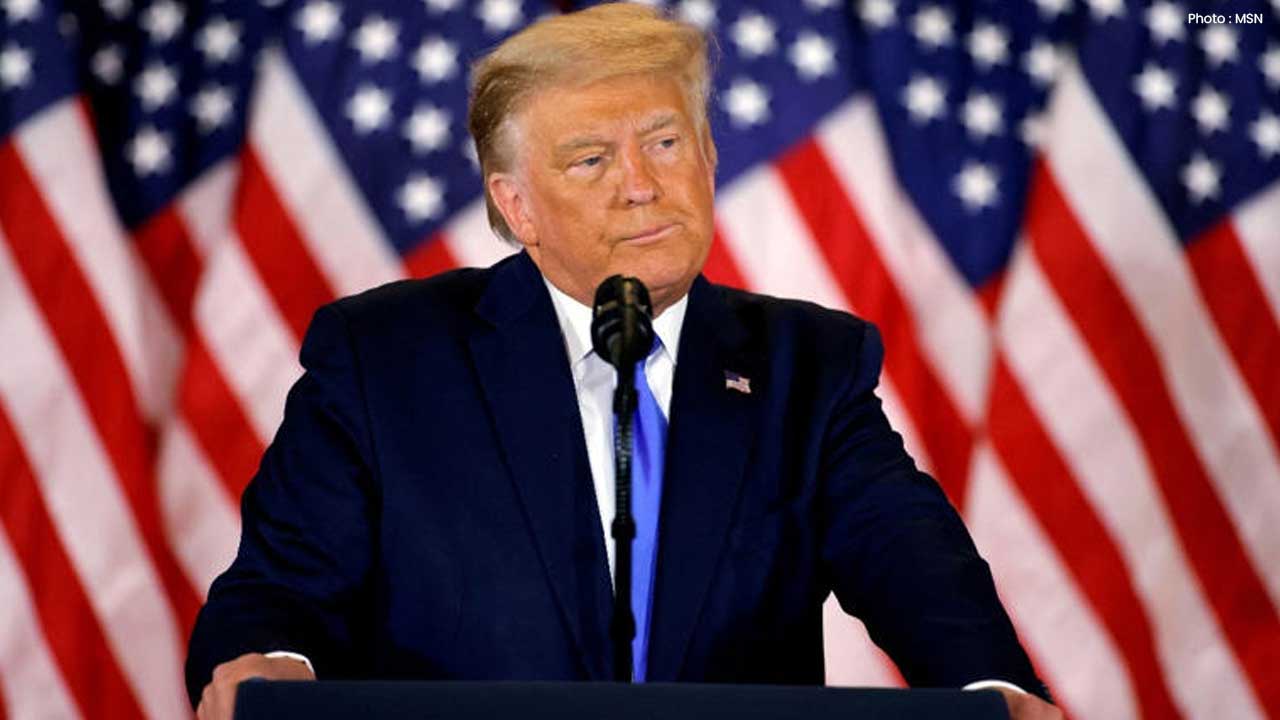
In response to the escalating crisis, U.S. President Donald Trump intervened on July 26, urging the leaders of both nations to engage in dialogue and halt the violence. On July 28, with the assistance of Malaysia and the backing of the U.S. and China, a ceasefire was reached.
On October 26, stronger agreements were cemented in front of Trump, leading to Cambodia nominating him for a Nobel Peace Prize for his role in broker the peace. For a brief period, the region experienced renewed hope.
By November, both nations initiated the withdrawal of heavy weaponry and cleared mines, marking progress towards peace. However, this calm was short-lived.
On November 11, Thailand announced it would no longer adhere to the ceasefire following another landmine incident. Cambodia refuted the claims of new mines. Clashes resumed on November 12, resulting in casualties in Cambodia.
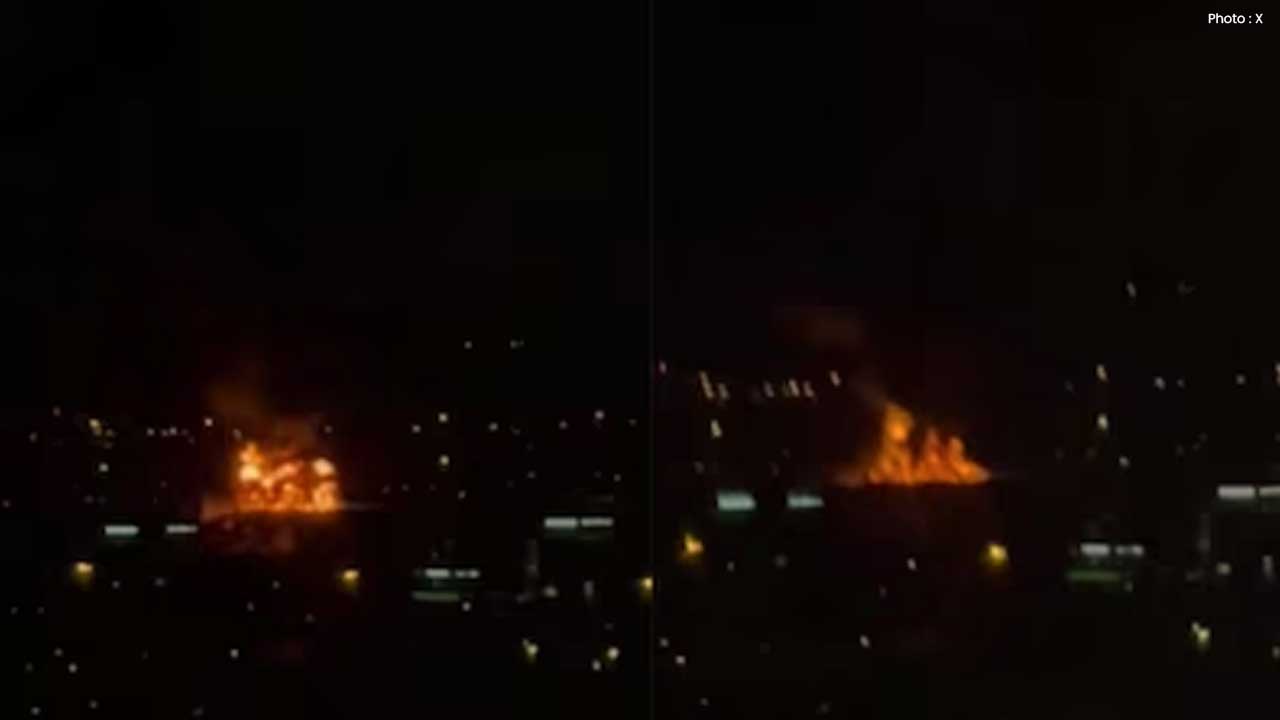
As of December 8, the conflict has reached a perilous juncture, with Thailand initiating air strikes along the contentious border. Thailand has claimed it was provoked, while Cambodia accuses it of violating the ceasefire. Civilians are being evacuated rapidly as anxiety grips the border regions.
This ongoing crisis reveals a striking reality: peace agreements are tenuous without mutual trust. Mere documents cannot halt violence; genuine respect is needed from both parties. When communication breaks down and emotions rise, minor incidents can escalate into bloodshed.
The genuine casualties of this conflict are everyday citizens. People losing their homes, farmers becoming landless, children missing school, and the elderly losing their peace.
Both Thailand and Cambodia need to step back from the brink. Future air strikes will not resolve a century-old border issue. True peace can only emerge from sincere dialogue, robust international mediation, and a commitment to humanitarian principles.
The global community must also be vigilant. Overlooking regional tensions can lead to larger confrontations. Strong international advocacy is crucial to prevent further loss of life.